
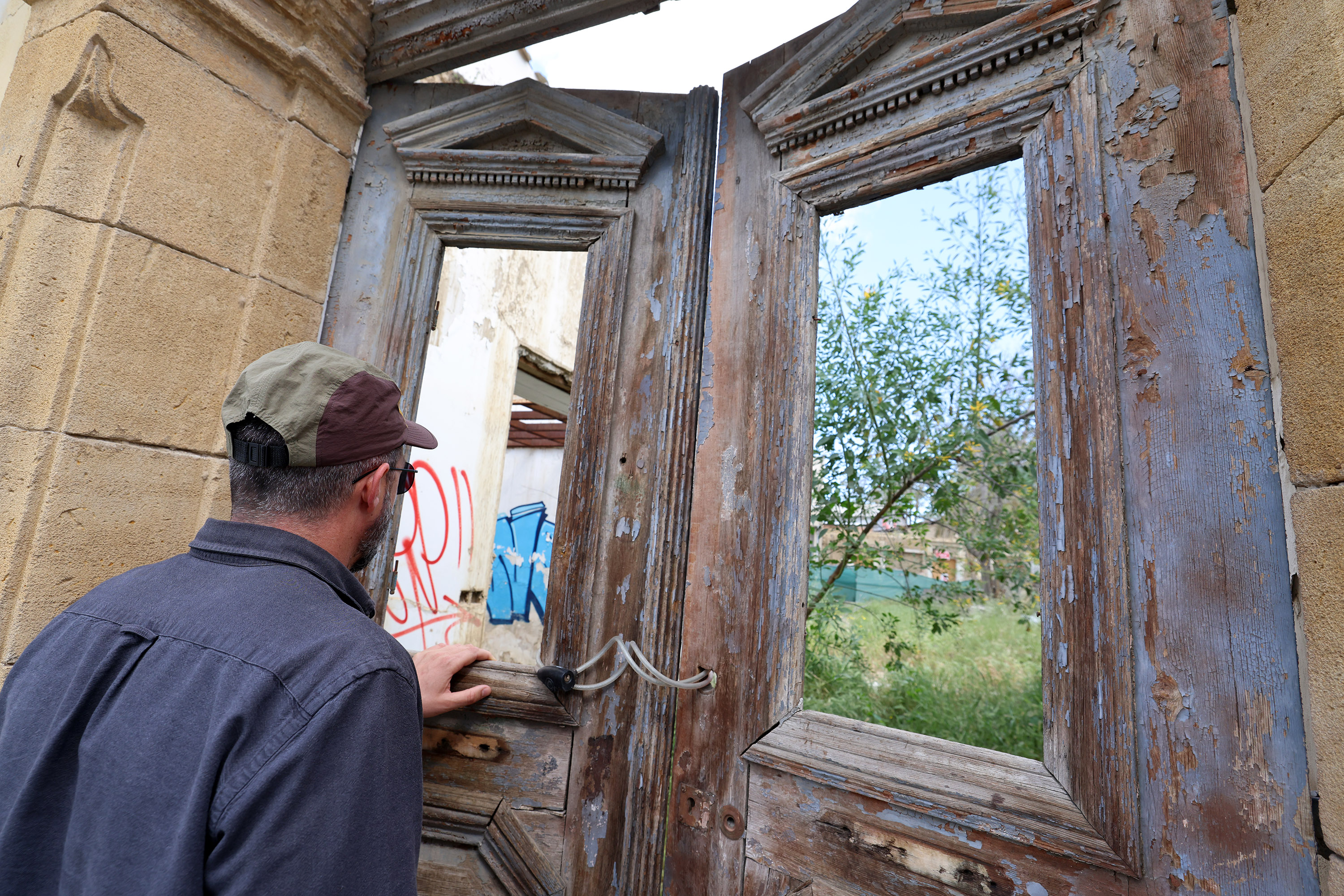
Around 200 buildings were inspected by a technical team in Nicosia’s walled city on Monday amid an island-wide wider effort to assess structural safety regarding dangerous buildings.
Crews from the Nicosia EOA focused on the Omeriye area as part of an ongoing inspection programme covering buildings identified as potentially hazardous.
Authorities said the total number of dangerous buildings has reached 1,466.
Of these, 1,198 cases were inherited in April 2025 when the organisation assumed responsibility from municipal councils and the district administration, with a further 268 added since then.
The increase has been attributed primarily to lack of maintenance by property owners, who bear legal responsibility for the condition of their buildings.
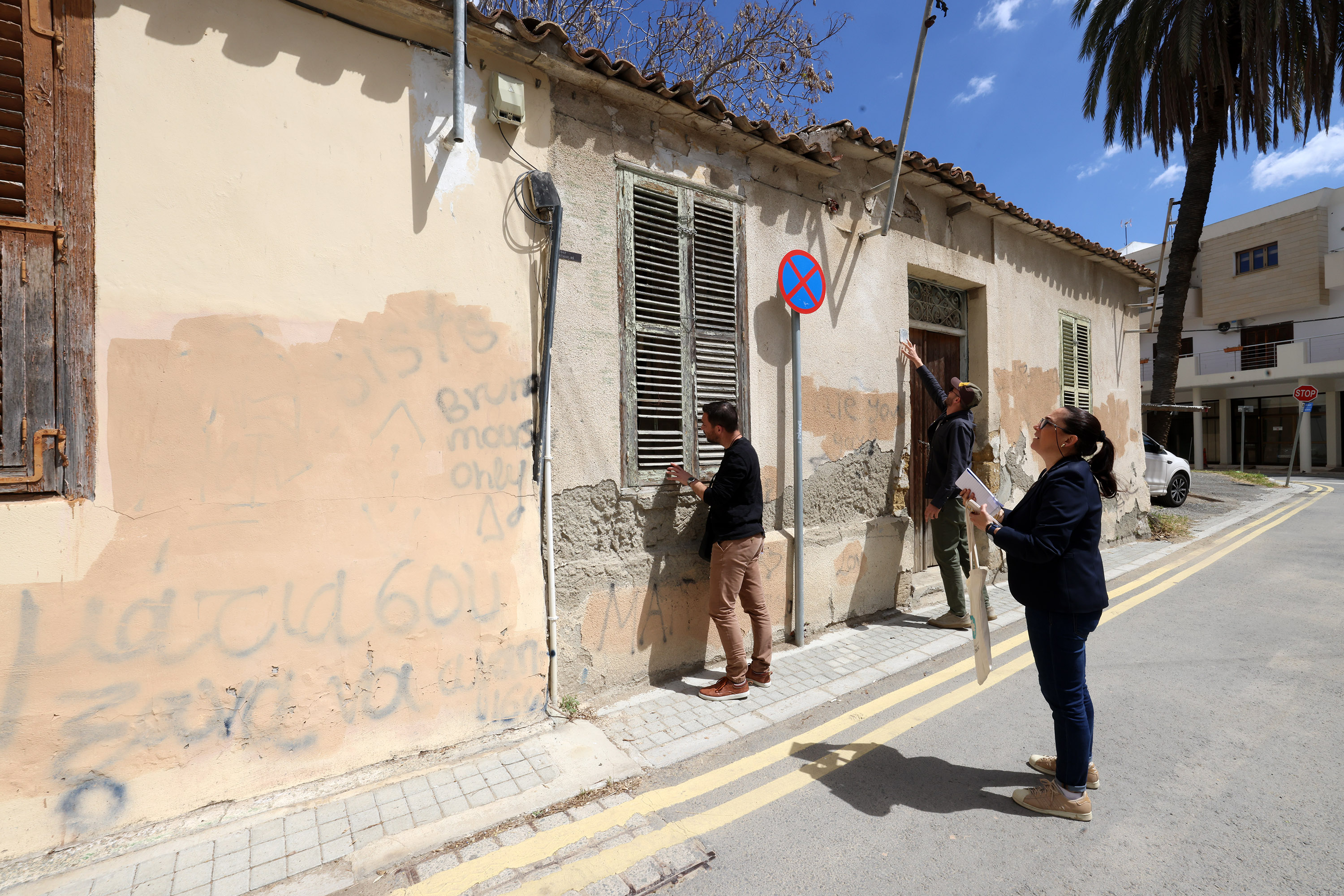
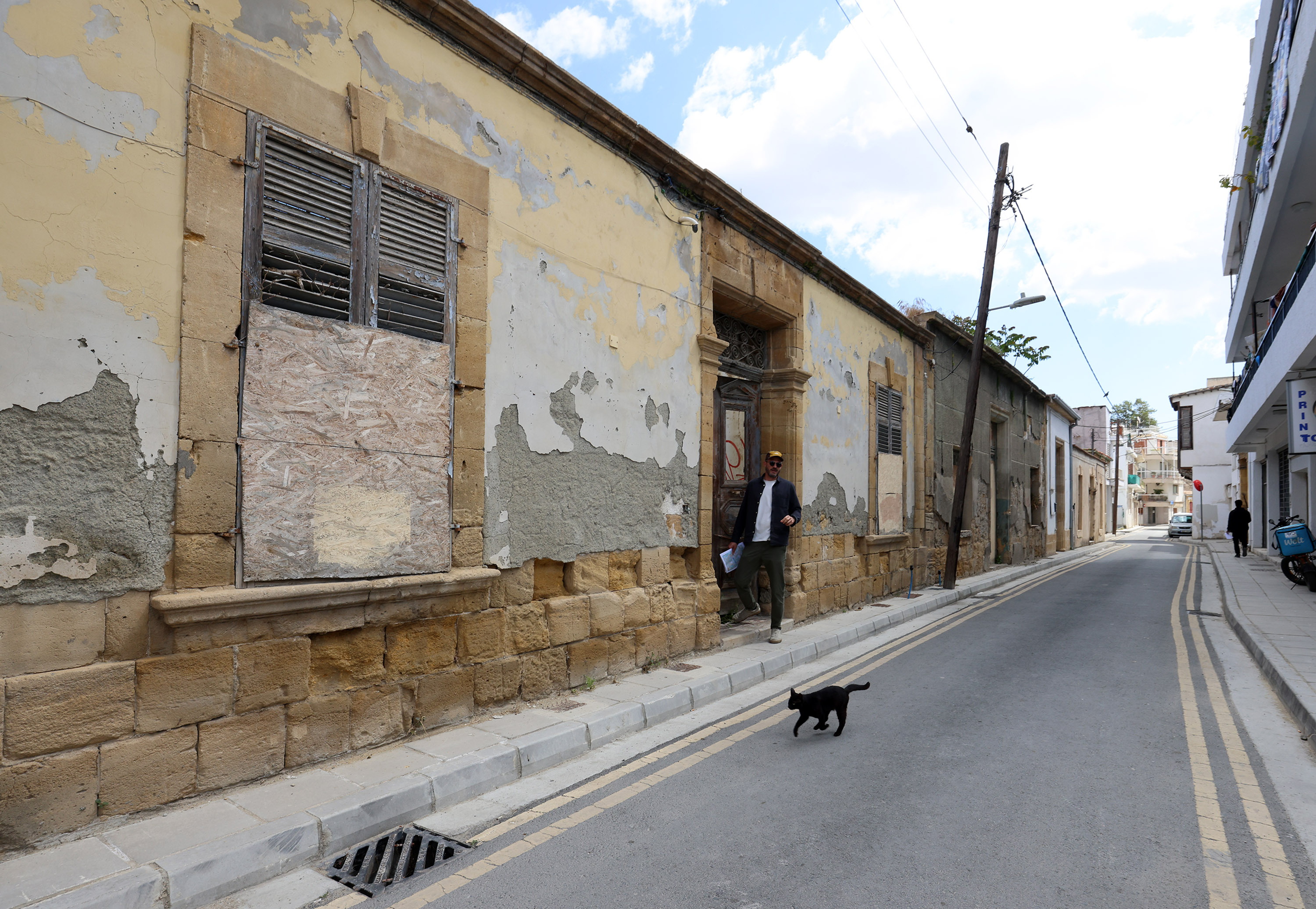
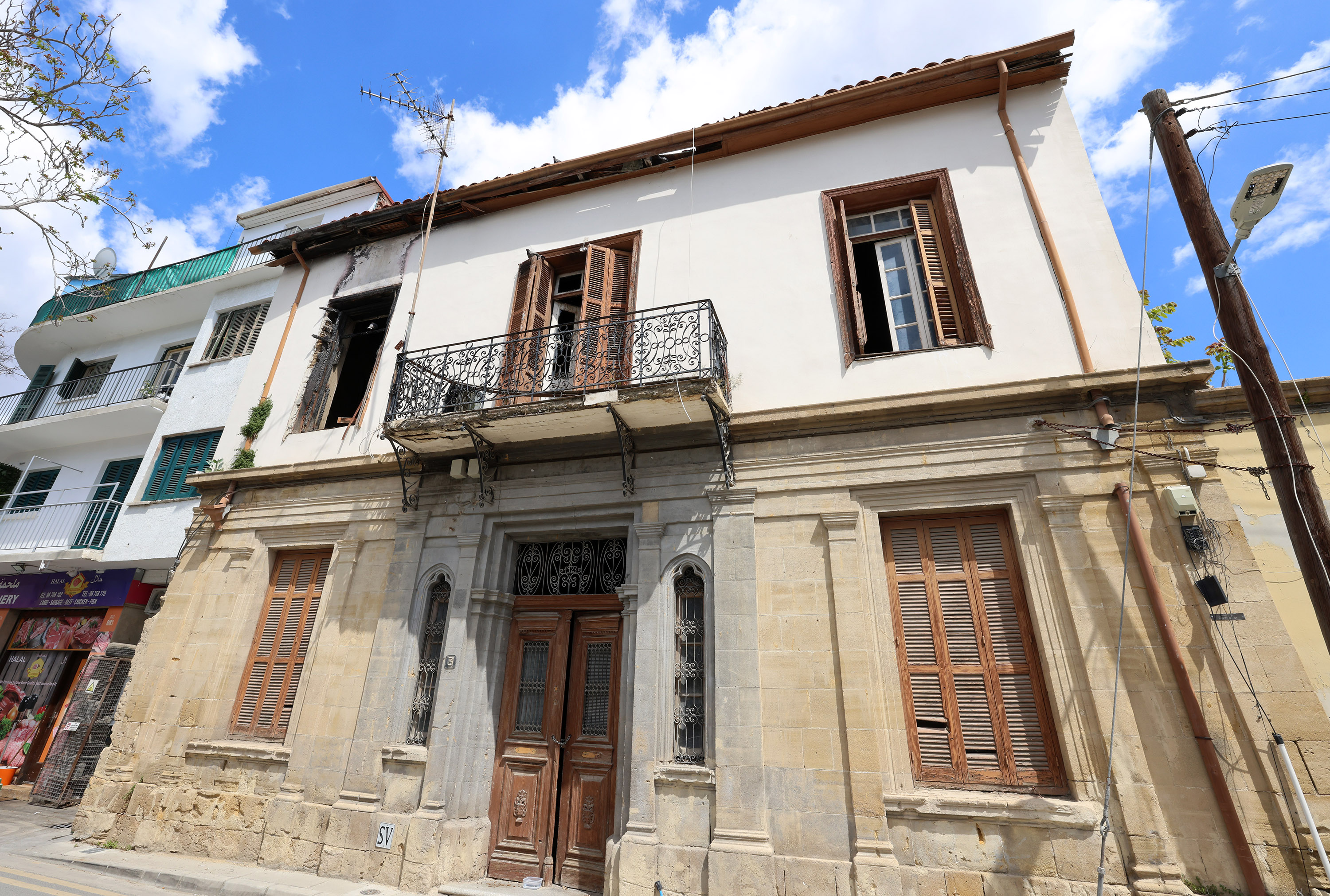
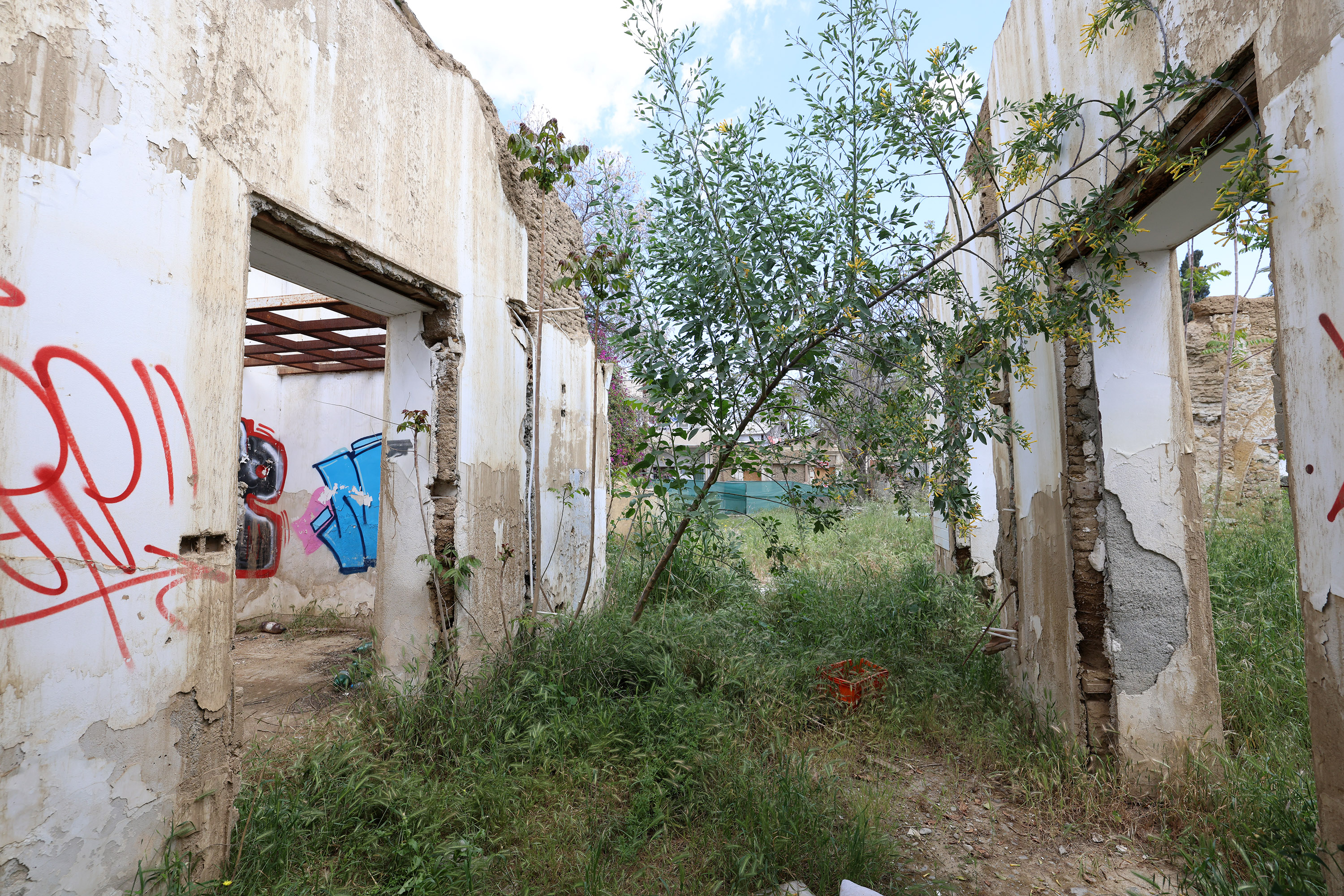
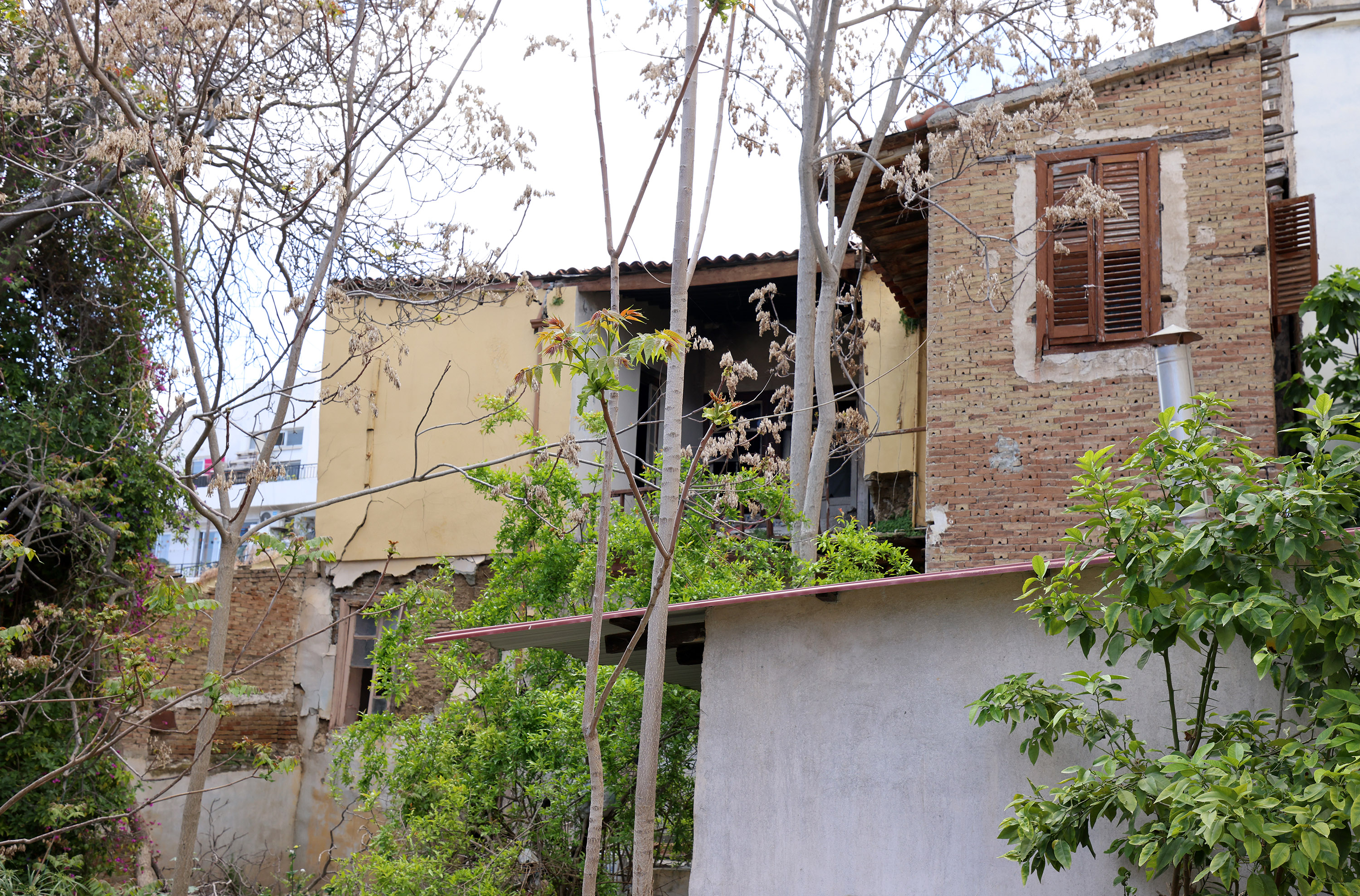
According to current assessments, four buildings require immediate evacuation, while the remainder are in need of repairs or maintenance but are not considered an immediate threat to occupants.
Speaking to Phileleftheros, Nicosia district EOA chairman Constantinos Yiorkadjis said efforts are focused on improving enforcement mechanisms.
“Our main priority is finding ways to enforce legislation more quickly, depending on the severity of the problems identified in each building,” he said.
He also raised concerns about funding procedures, stating that while a €2 million national fund has been announced to address dangerous buildings nationwide, the process for accessing the funds remains unclear.
“The process for receiving the money required to support these dangerous buildings has not yet been explained,” he said.
Last year, the EOA drew €150,000 from the national allocation, though it had requested a larger share to address the scale of the issue in the capital.
The issue extends beyond Nicosia and has recently come to light following the collapse of a building in Limassol’s Yermasoyia which killed two people as it collapsed.
Estimates suggest that between 1,200 and 2,000 buildings across Cyprus may be considered dangerous, although the absence of a centralised system limits precise tracking.
Officials have also pointed to structural ageing as a key factor, with a significant proportion of buildings constructed before modern regulations were introduced.





Click here to change your cookie preferences