
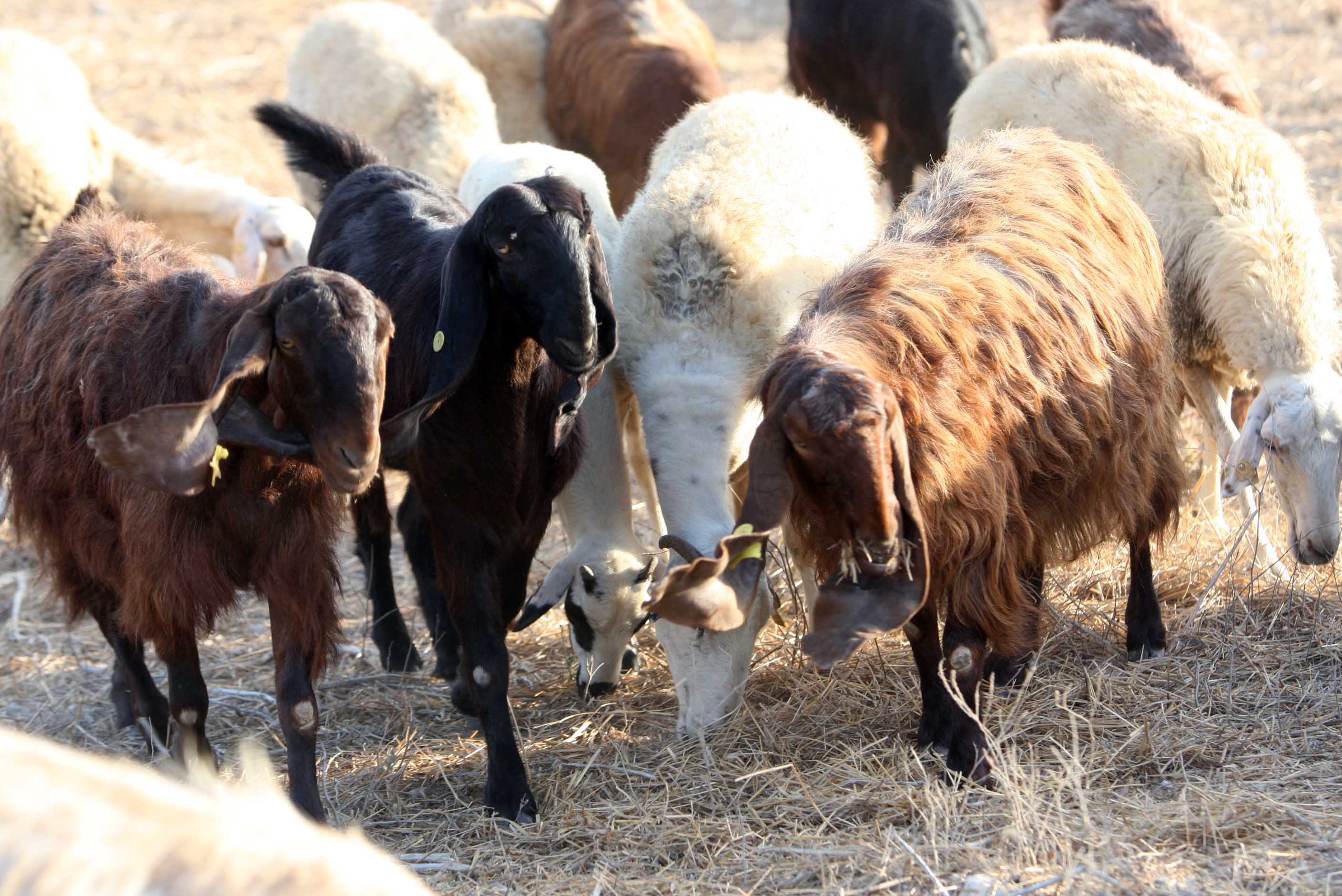
Around half of Cyprus’ livestock farmers are not expected to rebuild their operations following the recent foot-and-mouth disease outbreak, according to the president of the Pancyprian pig farmers association, Petros Kailas.
Speaking to the Cyprus News Agency, Kailas said many in the sector are reluctant to return under current conditions.
“It is not easy to re-enter an industry where you do not know when you will face such outcomes again,” he said, pointing to differing approaches to disease management across the divide.
He argued that while authorities in the Republic aim to eliminate the virus, Turkish Cypriot farmers are following a vaccination strategy and “will live with the virus,” describing the two approaches as “completely different scenarios”.
Commenting on the detection of a second foot-and-mouth case at a pig farm in Paliometocho, Kailas said the development was “unfortunately expected”.
He explained that three neighbouring farms in the area, owned by siblings, are located in close proximity, increasing the risk of transmission.
He expressed hope that aanother nearby unit has not been affected, noting that samples have been taken and results are pending.
“We are certainly in a difficult situation,” he said, adding that efforts are focused on containing the outbreak as much as possible.
On compensation, Kailas said payments to affected farmers will take time, as further financial support depends on approval from the European Union.
While an initial payment has already been made under de minimis aid, he said a response from Brussels is expected to take at least two months.
“For anything we do as the Republic of Cyprus, we must seek approval from the European Union,” he said.
Kailas also criticised the EU’s role, noting that it provides €12 million annually to Turkish Cypriots for animal disease management. He argued that the bloc should ensure similar measures are implemented across the island to prevent reinfection, warning that it is “only a matter of time” before the virus spreads again from the north to the Republic.
Meanwhile, spokesman for the sheep and goat farmers’ coordinating committee, Panikos Kaponas, said the group was not involved in a protest held by farmers earlier in Nicosia.
He added that, given the outbreak, such gatherings are discouraged.
Regarding compensation for sheep and goat farmers, Kaponas said only an initial payment of €20 per animal has been made so far, adding that “the matter has stalled at that point”.

Click here to change your cookie preferences