
A joint letter sent by the governments of Greece and Cyprus to the European Investment Bank requested a new due diligence study, not extra funding, for the Great Sea Interconnector project, the Cyprus Mail was informed on Monday.
Following reports that more funding for the project had been requested, sources close to the matter sought to clarify that the two governments have asked the European Investment Bank not to divest more funds for the project itself, but instead to carry out its own study into the project and its future.
The sources added that should the study deem it appropriate, funding for the project’s completion may be provided by the Luxembourg-based bank in due course.
If completed, the Great Sea Interconnector will connect the energy grids of Cyprus, Greece and Israel, while Cypriot Energy Minister Michael Damianos had earlier this month said that “from a security of supply perspective”, the completion of the project is “a must”.
However, he added that Cyprus could, according to current estimates, find itself responsible for 63 per cent of the project’s overall cost.
The current cost of the project is estimated at €1.9 billion. “If it costs more, we will still be paying 63 per cent – and that means through consumers’ bills,” he said.
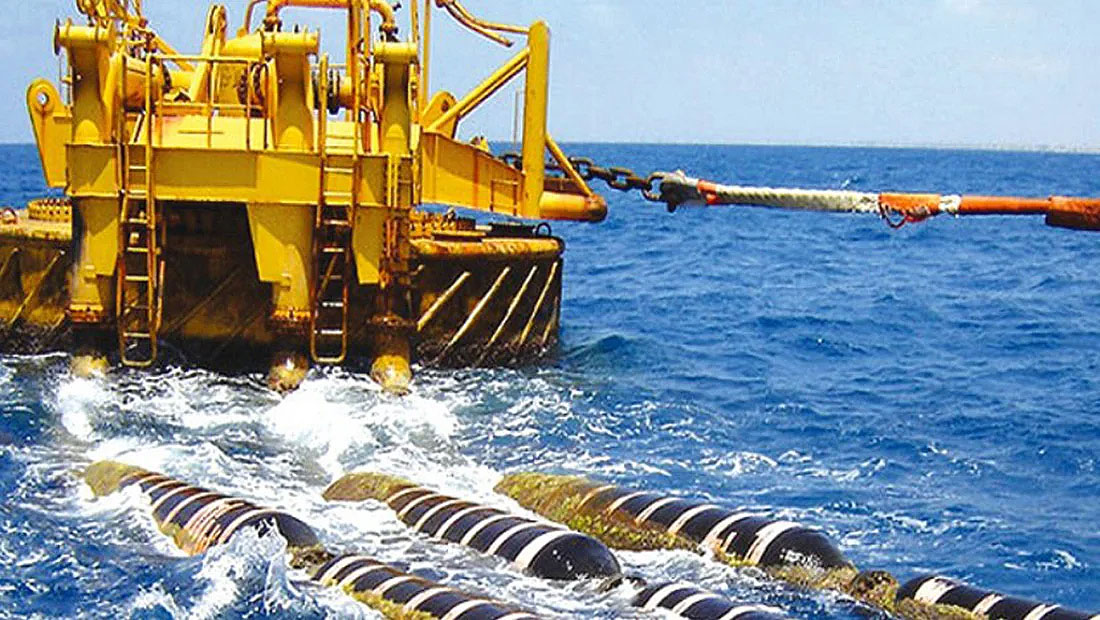
The project itself appears at present to be progressing slowly, though good news did come about last month when French cable construction company Nexans confirmed that an undersea trial of the type of cable which will be used was completed successfully.
However, Nexans had earlier this year formally acknowledged that the delivery schedule for those cables is being renegotiated, pushing the planned completion date into the next decade.
Nonetheless, European Energy Commissioner Dan Jorgensen said that the European Commission will provide “strong political and technical support” for the interconnector, with this support set to include “dedicated events and high-level discussions, as well as additional engagement on geopolitical issues”.
Much of the attention related to the project so far has been related to the interconnection of Cyprus and Greece, with the two countries’ governments having appeared to have been at odds over the matter towards the end of last year, though Damianos had on this matter insisted that they now have “a common line on this specific issue”.
In November last year, the governments of Cyprus and Greece jointly announced that the “economic and technical parameters” of the project would be “updated” with a view to attracting more investors to the project.
These new economic and technical parameters are to come alongside a fresh feasibility study.





Click here to change your cookie preferences