
By Chris Englezou
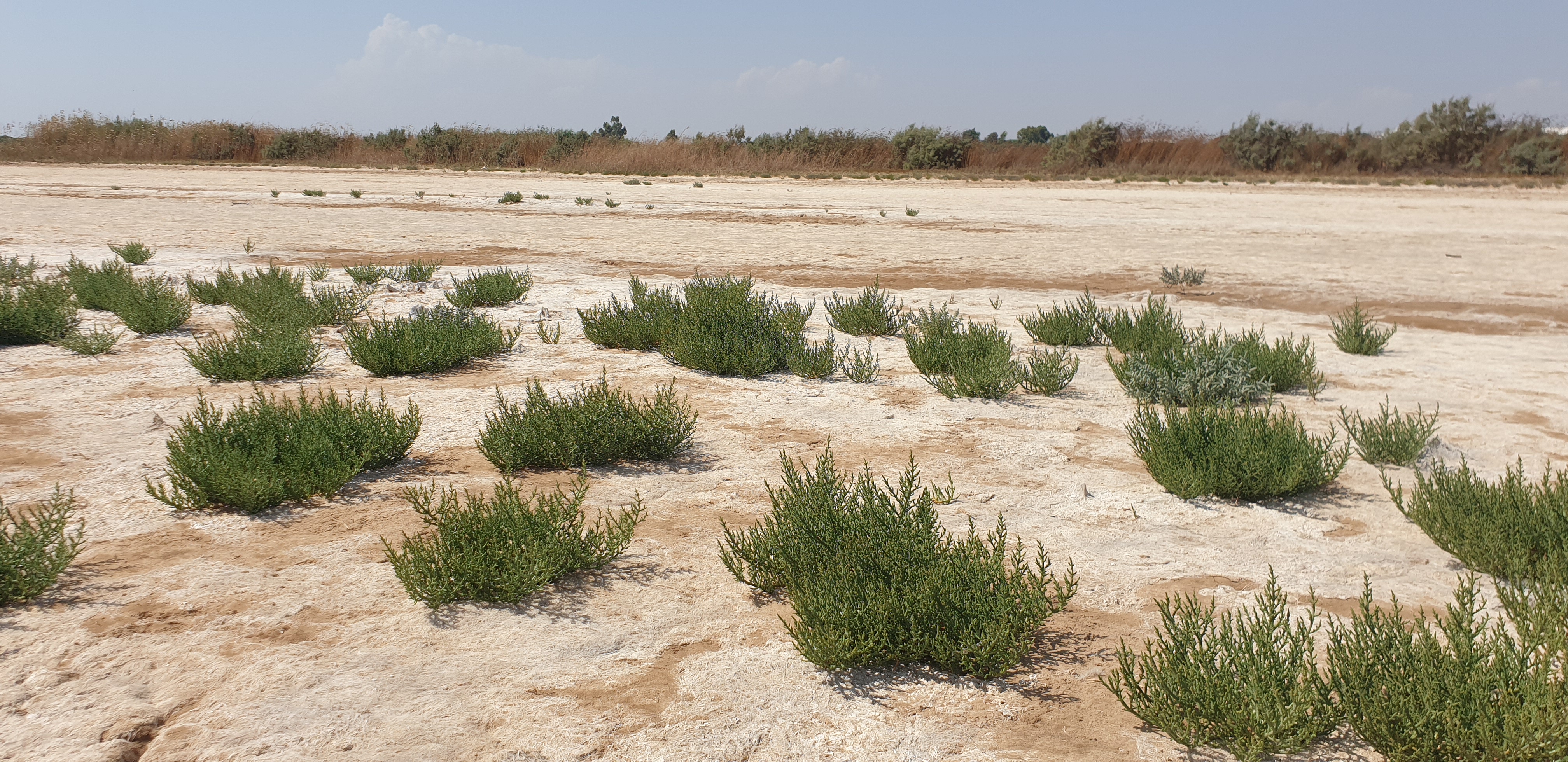
Lake Paralimni is not just another wetland. It is one of Cyprus’ most important natural ecosystems, a rare semi-permanent saline lake that supports migratory birds and a remarkable collection of specialised wildlife found nowhere else on the island.
The lake is the most important remaining stronghold of the endemic Cyprus grass snake (Natrix natrix cypriaca), one of Europe’s rarest snakes, while its seasonal waters also support the prehistoric tadpole shrimp Triops cancriformis, a species known from only two locations in Cyprus.
These species survive because Lake Paralimni remains a naturally fluctuating saline wetland, shaped by cycles of flooding, evaporation and naturally high salinity.
Yet every year, pressure grows to drain the lake in response to mosquitoes, despite the fact that repeated artificial drainage damages the fragile habitat that sustains this unique web of life.
Concerns raised by conservation groups over the lowering of water levels during critical breeding periods reflect a wider problem. Attempts to simplify and control natural ecosystems often weaken the very ecological processes that naturally regulate them in the first place.
The ongoing drainage and ecological degradation of Lake Paralimni also raises serious questions over potential breaches of both European and Cypriot environmental law. As a designated Natura 2000 site, the lake is protected under the EU Habitats Directive, the EU Birds Directive, and Cyprus’ Protection and Management of Nature and Wildlife Law, all of which require authorities to prevent the deterioration of protected habitats and avoid the disturbance of protected species.
Given the lake’s importance for breeding birds, the endemic Cyprus grass snake, and rare wetland fauna, any artificial lowering of water levels during ecologically sensitive periods should be subject to strict scientific assessment, environmental oversight and lawful justification under Article 6 of the Habitats Directive.
These are not decisions that can simply be made unilaterally by a mayor or any other individual in a position of local authority without following the proper environmental procedures required under national and European law.
The irony is that nature already provides the most effective long-term solution.
Healthy wetlands naturally regulate mosquito populations through balanced food webs involving fish, amphibians, dragonflies, birds, bats and aquatic invertebrates. Instead of reducing nature, efforts should focus on restoring it.
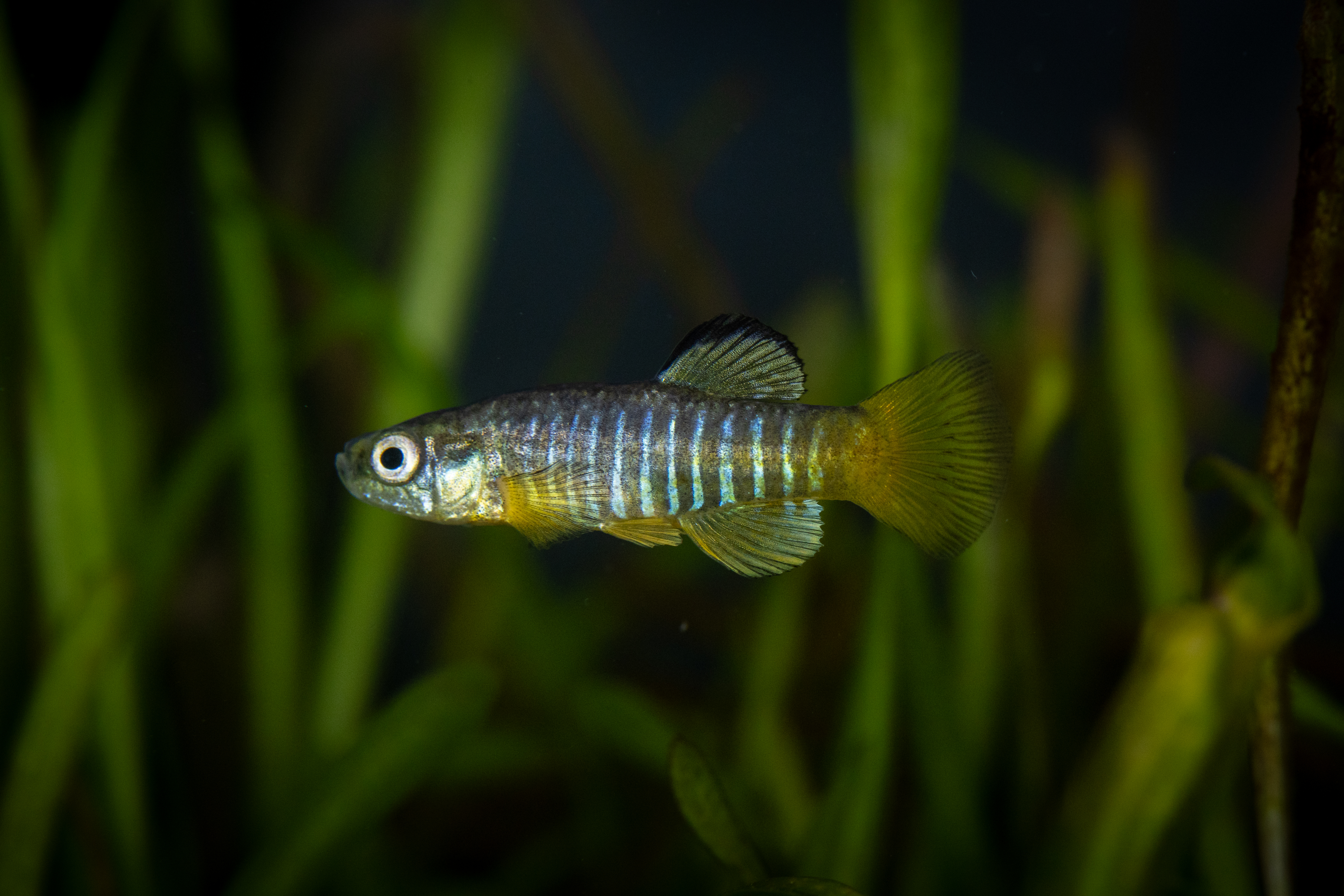
The native Cyprus killifish (Aphanius fasciatus) offers a clear example of this approach. Unlike introduced Gambusia mosquito fish, which struggle in highly saline conditions, the Cyprus killifish is naturally adapted to the brackish and saline waters of Lake Paralimni and feeds effectively on mosquito larvae.
This is the key difference. Lake Paralimni is not a freshwater pond that needs to be simplified and controlled. Its salinity is a natural characteristic of the ecosystem, and the species that belong there have evolved around these conditions over thousands of years. Native species work with the lake’s ecology, while nonnative species often fail to integrate properly into these specialised environments.
Continuing to treat one of Cyprus’ most important protected wetlands as something to be drained and suppressed is an approach more reminiscent of 1926 than 2026.
At a time when European countries are investing in wetland restoration, biodiversity recovery and nature-based solutions, the destruction of habitats in response to mosquitoes risks turning Cyprus into a conservation laughingstock rather than a leader in environmental stewardship.
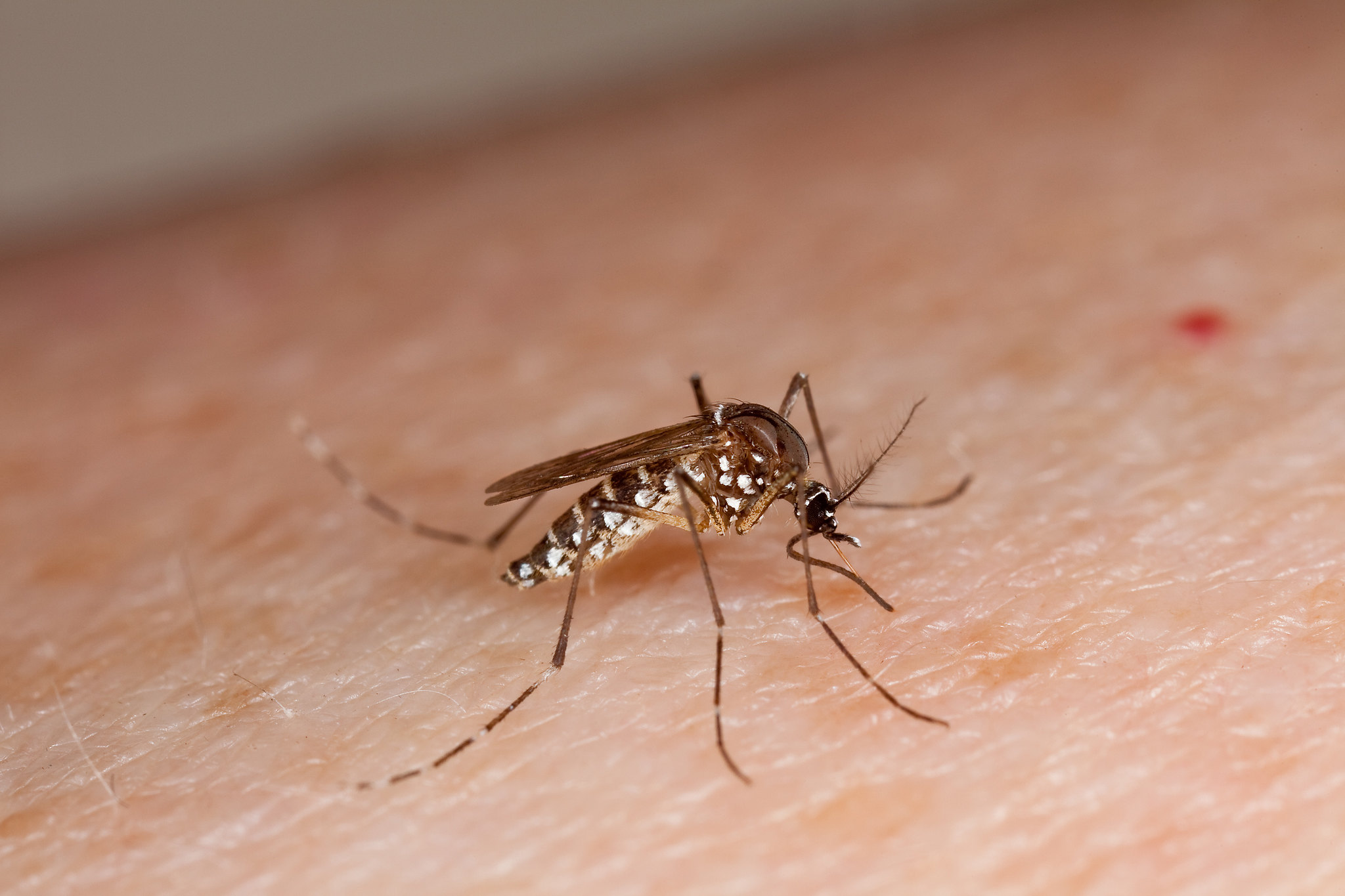
The real answer to the mosquito issue is therefore not less nature, but better protected and better functioning nature. Cleaner wetland management, protection of natural hydrology, reduction of pollution and illegal dumping and support for native wildlife would strengthen the ecosystem’s own ability to regulate insects while safeguarding one of Cyprus’ most valuable Natura 2000 sites.
Lake Paralimni does not need to be drained into ecological collapse in order to protect public health. It needs thoughtful conservation that works with nature rather than against it. Protecting native species such as the Cyprus grass snake, the Cyprus killifish, and Triops cancriformis is not separate from solving the mosquito problem. In a healthy wetland, these goals support each other.
Chris is Chairman of the Board of Trustees for the Freshwater Life Project, an international charity working on the conservation of Cyprus’ wetlands, freshwater species, and threatened ecosystems. His work focuses on combining science, field conservation, and public advocacy, with a particular interest in the protection of endemic wildlife and the ecological restoration of degraded habitats





Click here to change your cookie preferences