
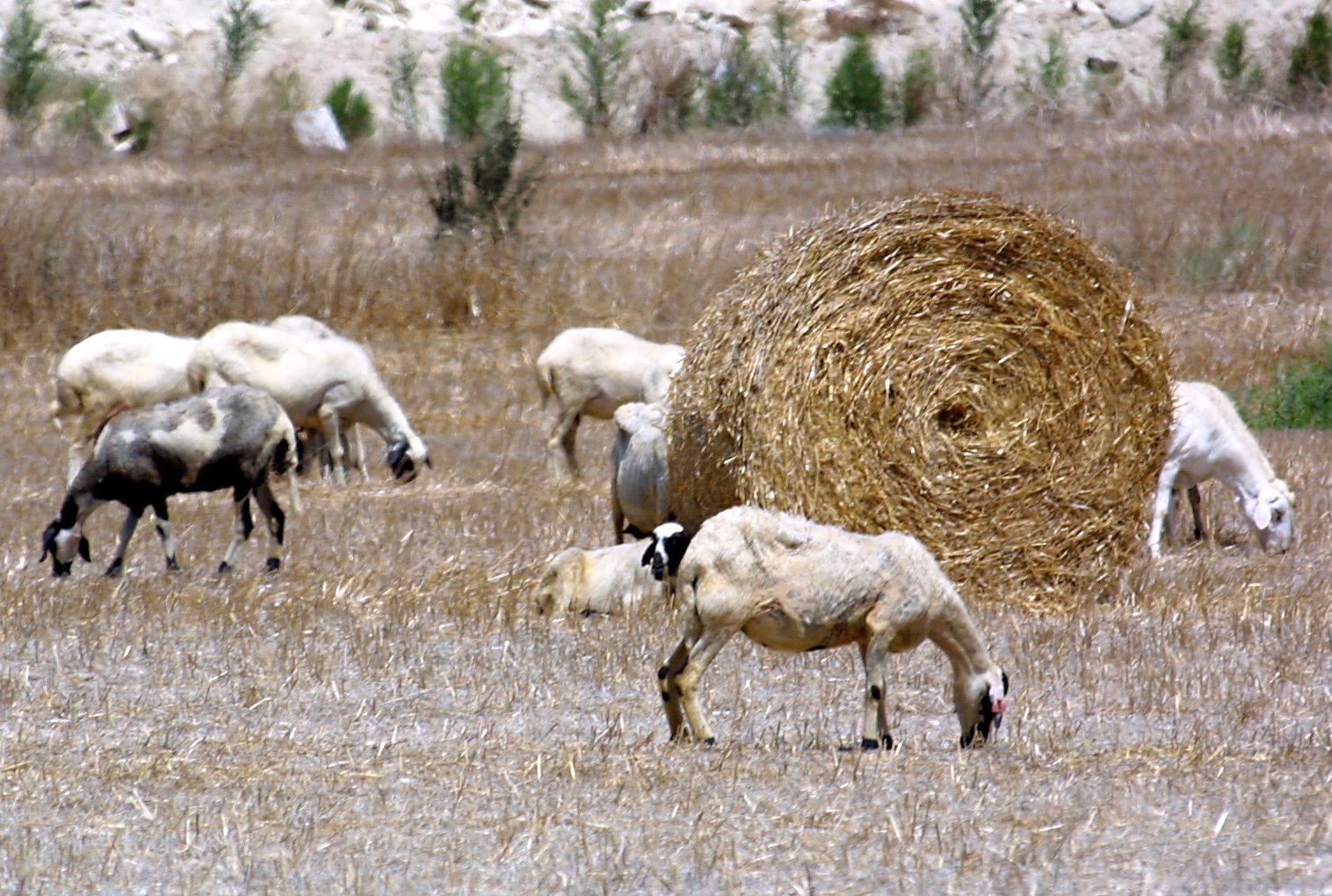
Authorities are investigating how foot-and-mouth disease reached a sheep and goat unit Pachna, with a veterinary official saying a possible breach in biosecurity protocols may have allowed the virus to spread.
Speaking to the Cyprus Mail, Natia Kalli, a veterinary officer at the agriculture ministry, said it was still too early to determine exactly how the outbreak occurred.
“At this stage, this is something under investigation, but it is possible that somewhere along the chain the required measures were not fully observed,” she said.
Asked whether the virus could have been transmitted by animals or birds, Kalli said this was not considered the source of transmission in this case.
Instead, she explained that “the issue is not birds or animals carrying the virus in this context,” she said. “Transmission can happen through failures in disinfection, the movement of people, or vehicles used in animal transport.”
Asked whether livestock farmers had been properly informed about the required health protocols, Kalli said veterinary services had carried out awareness efforts and had also created a dedicated webpage with information on foot-and-mouth disease.
However, when asked whether officials had physically visited farms to ensure farmers understood the procedures, she fell back on the practical limitations.
“That is impossible,” she said. “We cannot go to 3,000 units.”
She added that veterinary services maintain an open line of communication, with livestock farmers able to contact authorities directly with questions or concerns.
Meanwhile, concern is mounting among livestock farmers in the area, where 28 animal units housing around 10,000 sheep and goats are located.
Pachna community leader Andreas Savvas told the Cyprus Mail that farmers in the area held a meeting earlier on Thursday and agreed that the animals at the affected unit should remain in place until Tuesday, at which point a second round of sampling should take place to determine their fate. A decision that will be conveyed to the ministry and veterinary services for their input.
According to Savvas, farmers agreed that the animals should only be culled if the second test also returns a positive result.
“After a meeting held by livestock farmers in the area earlier today, it was decided that the animals at the unit will remain until Tuesday, when a second sampling will be carried out, and only if that second sample is positive should the animals be put down,” he said.
The decision reflects confusion on government protocols and growing concern among local farmers over both the containment measures being implemented and the potential spread of the virus to nearby units.
Earlier on Thursday, a crew of reporters who had travelled to Pachna to cover the protest of farmers reportedly got attacked by members of the newly formed association of livestock farmers ‘The Voice of Livestock Breeders’.





Click here to change your cookie preferences