

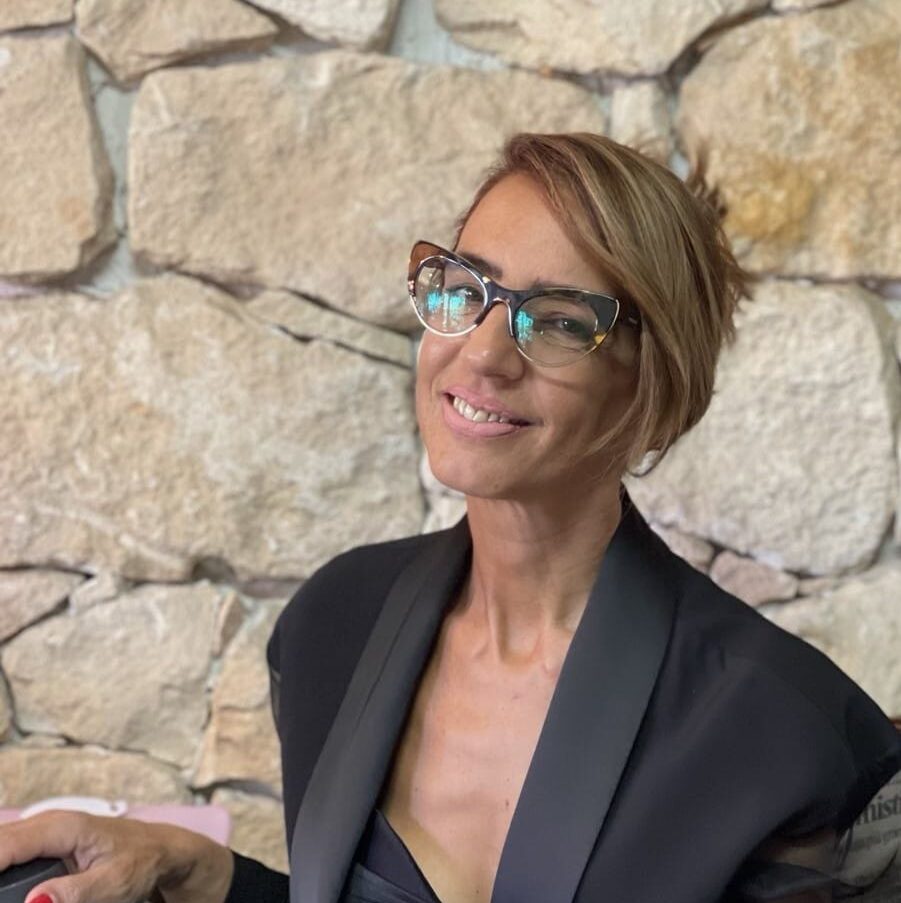
Cyprus must look beyond traditional ideas of resilience and treat investment funds as part of its wider economic defence, as regional instability, energy pressures and trade disruption move closer to home, according to Marios Charalambides, board member at the Cyprus Investments Fund Association and partner and board member at Grant Thornton Cyprus.
Charalambides noted that, for years, Cyprus has spoken about resilience, pointing to the fact that “the economy is holding up, that growth remains solid, that public finances are improving and that the country continues to attract international business.” While he described all of this as true, he warned that “under the current geopolitical conditions, those facts on their own are no longer enough.”
The world around Cyprus, he said, is becoming more unstable, with war in the region, pressure on energy prices, disruption to trade routes, sanctions complexity and rising uncertainty no longer distant issues. For Cyprus, he added, “they are close to home”, particularly as the island is “in a sensitive part of the world” and depends heavily on tourism, services, shipping and cross-border business. This position, he explained, gives Cyprus opportunity, but also creates exposure.
It is for this reason, Charalambides said, that Cyprus needs to think more seriously about the role of its financial services sector in the economy. In his view, one part of that sector deserves much more attention than it usually receives, investment funds and fund managers.
Funds, he noted, are too often seen as “a niche product or as a technical part of the professional services market”, a view he described as too narrow. In the current environment, he added, they should be viewed as “part of the country’s economic defence.”
For Charalambides, funds are “not just legal structures” but tools that can direct capital into the real economy at a time when the economy needs it most.
In difficult times, he explained, access to well-structured capital matters, as economies do not become stronger only through public spending or bank lending. They also become stronger when “private capital is channelled into the right sectors, with proper governance, speed and discipline,” which is where funds can play an important role.
Cyprus, he continued, already has “a credible funds sector”, which has grown, matured and gained substance. However, he made clear that the next step is not simply to have more funds under management, but to use the sector more intelligently.
If geopolitical tensions continue, he said, Cyprus will need more investment in areas that improve resilience, including energy, digital infrastructure, logistics, specialised real estate, healthcare, technology platforms, regulated credit and regional business services, where private capital can make a real difference.
These, he added, are not abstract themes, but are directly linked to how Cyprus can protect growth, support jobs and strengthen its position in a difficult region.
This is also where fund managers matter just as much as the funds themselves. A good manager, Charalambides said, does more than pick investments, as they “read the direction of the market before the market fully reacts.”
Today, he explained, this means understanding geopolitical risk, not just financial risk, and asking harder questions about which sectors will come under pressure if transport costs rise, which businesses will need fresh capital if supply chains shift, and which investors will look for EU-based, well-regulated structures closer to the region. It also means considering “which families and companies will move assets to places that offer stability and rule of law.”
Cyprus, in his view, is well placed to answer those questions. It sits at the crossroads of Europe, the Middle East and the Eastern Mediterranean, a geography that brings risk, but also relevance. In times of uncertainty, he noted, relevance matters, while investors do not only look for tax efficiency or low cost. They also look for trust, legal certainty, proper governance and proximity to opportunity. Cyprus can offer those things, he added, but only if it acts with confidence and purpose.
At the same time, Charalambides cautioned that the country should not try to copy larger fund centres or attempt to become “another Luxembourg or Dublin.”
Instead, Cyprus should build on what makes it different, including its strong professional services base, familiar legal environment, experienced financial services community and strategic location. In that way, he said, the country can use those strengths to become “a focused and credible centre for regional private capital.”
This also means being honest about the risks. A prolonged crisis in the region, Charalambides warned, can hurt Cyprus, with tourism slowing, shipping coming under pressure, costs rising, investor sentiment weakening, fundraising becoming harder and transactions being delayed. In a small economy, he added, “these pressures are felt quickly.”
Yet this is exactly why the funds sector matters. In uncertain times, Charalambides argued, countries need more than optimism. They need capital with structure, investment vehicles that can move with discipline, managers who understand risk early, and private capital that can step into sectors where resilience must be built, “not merely discussed.”
He also linked this to Cyprus’ wider international business model, which, he said, has brought real benefits over many years, but has also made the country dependent on external flows and external confidence.
“The next phase must be stronger,” he said, adding that Cyprus should aim not only to host international business, but “to shape where capital goes and why.” This, he noted, is “a more advanced role”, creating more depth and more value for the economy.
For Cyprus to remain relevant in a harder world, Charalambides said the country needs to think beyond the old formula.
Funds and fund managers, he added, are not just part of the financial services industry, but can be part of the national response to uncertainty, helping the country attract better capital, support stronger sectors and build a more durable economy.
For that reason, he said the discussion should move “from the margins to the centre.”
In the years ahead, Charalambides concluded, the funds sector should not be judged only by size, but by impact, and for Cyprus that impact “could be much bigger than many still think.”



Click here to change your cookie preferences