
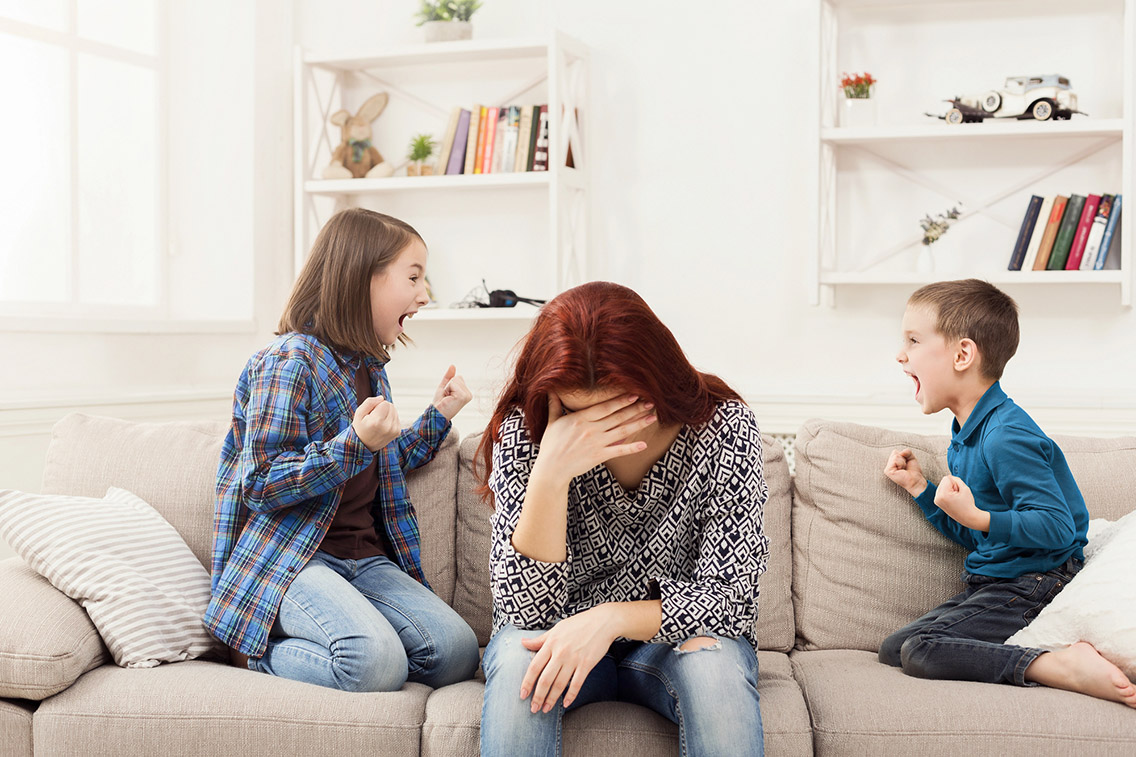
Primary schools close for more than 18 weeks a year and the vast chunk is in the summer
With the long, hot summer fast approaching, parents are steeling themselves for nearly 12 weeks of dealing with their often fractious children.
Parents frequently complain that schools close far too often – and in the summer for too long – while teachers not surprisingly mount a strong defence of the school holidays, saying they were much needed by teachers and students alike, and that parents should use them as an opportunity to bond with their children.
Primary schools close on average for more than 18 weeks a year. These include two weeks over Christmas and New Year, two weeks over Easter and 12 national, religious and other days. While over summer, primary schools shut from mid-June till around mid-September. This year, schools break up on June 18 and open on September 11.
The minimum statutory holidays for most adults in Cyprus are four weeks a year, plus public holidays. The disconnect between the two is clear.
Teachers take the same days off as their pupils, but a few less in the summer, this year breaking up on June 22 and going back on September 4.
Anna, a mother of two, works full-time and has no family nearby.
“It is so frustrating that schools close so often. Twelve weeks over summer plus all the additional days the kids get for special religious days, while we parents are struggling to find care for them while we are at work,” she told the Cyprus Mail.
Antonis faces similar issues, especially during the summer months.
Although Antonis’ in-laws are available, they are retired and cannot look after the three children every day.
“Granny is not a fulltime carer,” he said.
Nina agrees that no child should be left with elderly people for too long.
“One of the most common responses parents receive is: ‘What about granny?’ With respect, it is not my elderly mother-in-law’s responsibility to become my childcare provider. Grandparents should not be expected to carry the burden created by the lack of childcare support. It’s not healthy for them or for the child. And not everybody has yiayia as an option.”
As for the grandparents, “they are becoming physically and emotionally exhausted from fulltime childcare responsibilities,” she said.
Nina furthermore sounded the alarm over “parents being obliged to leave children at home alone if they can’t get the time off”.
“Where is the state to help out in these situations?” she wondered.
Another issue Nina, a mother of one, is worried about is “a decrease in the birthrate because it is near impossible to care for children and work fulltime”.
“Thousands of working mothers and families are completely exhausted,” she said.
The parents who spoke to the Cyprus Mail agreed that schools closing for unnecessary day’s off – the archbishop’s name day is a prime example – was “frustrating”.
“Parents are overwhelmed by the lack of realistic support for families during the days schools are closed,” Nina said.
Not all parents agree, though, depending on their circumstances.
Rafaella, a single parent who works from home, finds school holidays provide a welcome respite from the daily commuting to and from school.
Lellos, who holds a morning office job and a side hustle from home to make ends meet, not only thinks school holidays are refreshing, as he doesn’t have to leave the house so early in the morning, but believes children need a break once in a while.
Marios, a single parent, also works two jobs to keep up with expenses, including rent, but thinks schools should be open longer.
“I am struggling to keep up financially,” Marios said, adding that the state should “seriously reconsider the current system”.
He proposed reducing the length of school closures or expanding affordable summer programmes across all schools for the entire summer period, increasing childcare subsidies and support, and offering incentives to teachers and schools to remain open during summer periods. And with air-conditioning now increasingly available in schools, the brutal summer heat is no longer so much of a reason for the long closures.
There is no clear law on the age a child can be left alone at home, but legislation does protect the wellbeing of children, while parents can face criminal charges if they place their child in danger.
It is generally understood by the authorities that children under the age of 12 should never be left alone for long period of time. About half an hour during daytime is considered to be all right for ten-year-olds if the house is secured and there is direct communication with the parents. From 11 to 12 years of age, children can be alone for a couple of hours during the day, and 14-year-olds can stay alone for longer periods. No child under the age of 16 should be left alone overnight.
That said, the authorities point out that the maturity and autonomy of the child, safety regulations at home, and the ability of the child to react in an emergency or call its parents, should all be taken into consideration.
But what do the teachers say the endless school closures?
“Don’t even think about it!” was the first reaction.
Magda, a primary school teacher, said children work hard at school and these holidays in between, even for just one day, are a welcome break.
Vasilis, another primary school teacher, agrees and goes a step further. “If they can’t look after their children, they shouldn’t have them. First of all, they have children and it is more often than not that someone else raises them. There are the grandparents, the domestic aides. Then they leave them at afternoon school. Is this what they want for their children?”
He wonders how much time – not necessarily quality time, but just time – parents spend with their children.
Vasilis also sounded the alarm regarding electronic devices. This, he said, had “the worst impact on children” and explained that “they don’t learn how to be sociable, to respect.”
Although Vasilis may come across as intense and extreme, other schoolteachers agree with him.
“Their brain is fried. They watch rubbish on social media, they copy it and then the parents think society should accept this and take it as normal behaviour. It is not!” Chara stressed.
Petra pointed out that it is quite evident at school which children spend quality time with their parents and have regulations at home, because “they are the ones that will sit nicely and eat their sandwich during break time, they frequent the activity corners in schools with puzzles and books, they spend time with their friends, they are well behaved”.
Those who do not experience the same upbringing “swear a lot and are often disruptive”.
“A teacher’s day off is not always what it seems. We take work home, we grade tests, we prepare for lessons. Even in the summer we are working on projects and planning for the next year,” said Pantelis, another teacher.
Yet another teacher, Melina, said it was also important to remember that “teachers have children too and we miss all their school plays because we are at our own schools directing the school events there”.
None of the primary teachers asked expressed a different opinion and none could name colleagues who would.
“Parents should calm down a bit. The main issue is the well-being of children. Some come without the right books, dirty clothes, unfinished homework, no breakfast. This is the problem, not the school holidays that children look forward to,” Kypros said.
One thing parents should keep in mind, Kypros added, was this: “Teachers are not just teachers. At school they take on the role of mothers, fathers, doctors, lawyers, mediators and much more.”
Primary school teachers’ union Poed were contacted by the Cyprus Mail but were unavailable for comment.
Click here to change your cookie preferences