
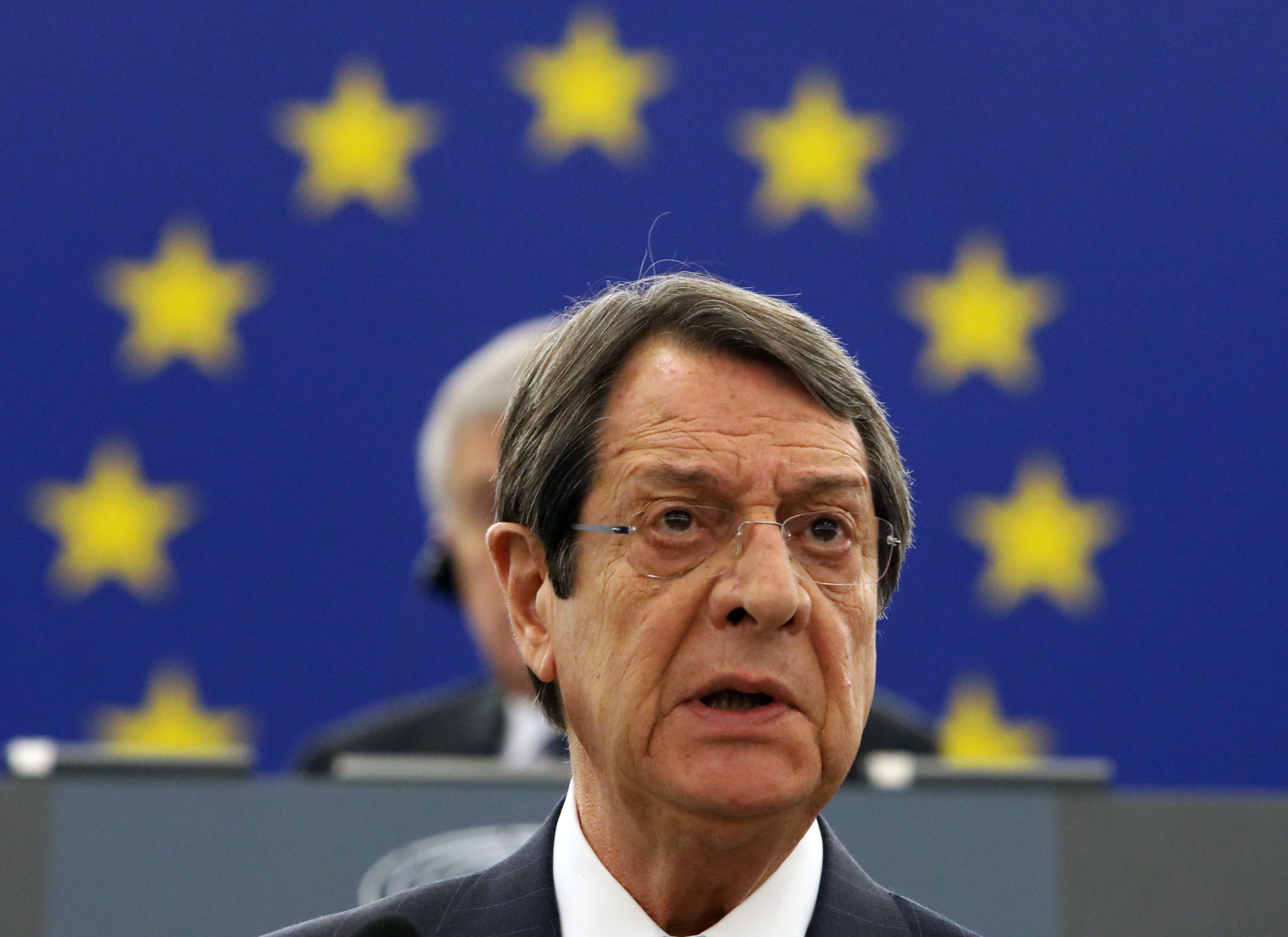
By June 15, the anti-corruption authority will issue an announcement regarding its investigation into allegations appearing in the book Mafia State, the head of the authority said on Tuesday.
Tuesday’s statement narrows down the date, as earlier the authority had said it would make its findings public within the month of June.
Transparency Commissioner Harris Poyadjis, who also heads up the anti-corruption authority, declined to give any more details, citing confidentiality.
He said only that the authority has suspended work on all other cases it is examining “until we are finished with this one” – meaning the probe into Mafia State.
Previously, the anti-corruption authority had clarified it would be releasing only a statement outlining its main findings. It will not make public the entire report.
If any criminal liability is ascertained, it will forward the material to the attorney-general’s office.
First published in late 2022, Mafia State is authored by investigative journalist Makarios Drousiotis. The book has done well, although precise numbers on the copies sold are not available.
It portrays Cyprus as a systemically corrupt state and levels allegations at former president Nicos Anastasiades and other senior officials.
Anastasiades has categorically rejected all allegations, and has sued Drousiotis for defamation.
The investigators working for the anti-corruption authority handed over their final report at the end of April.
The dossier is said to be approximately 3,000 pages long, including the annexes.
During the probe, the investigators held some 200 sessions, interviewing 150 people, while 793 evidentiary items were submitted.



Click here to change your cookie preferences