
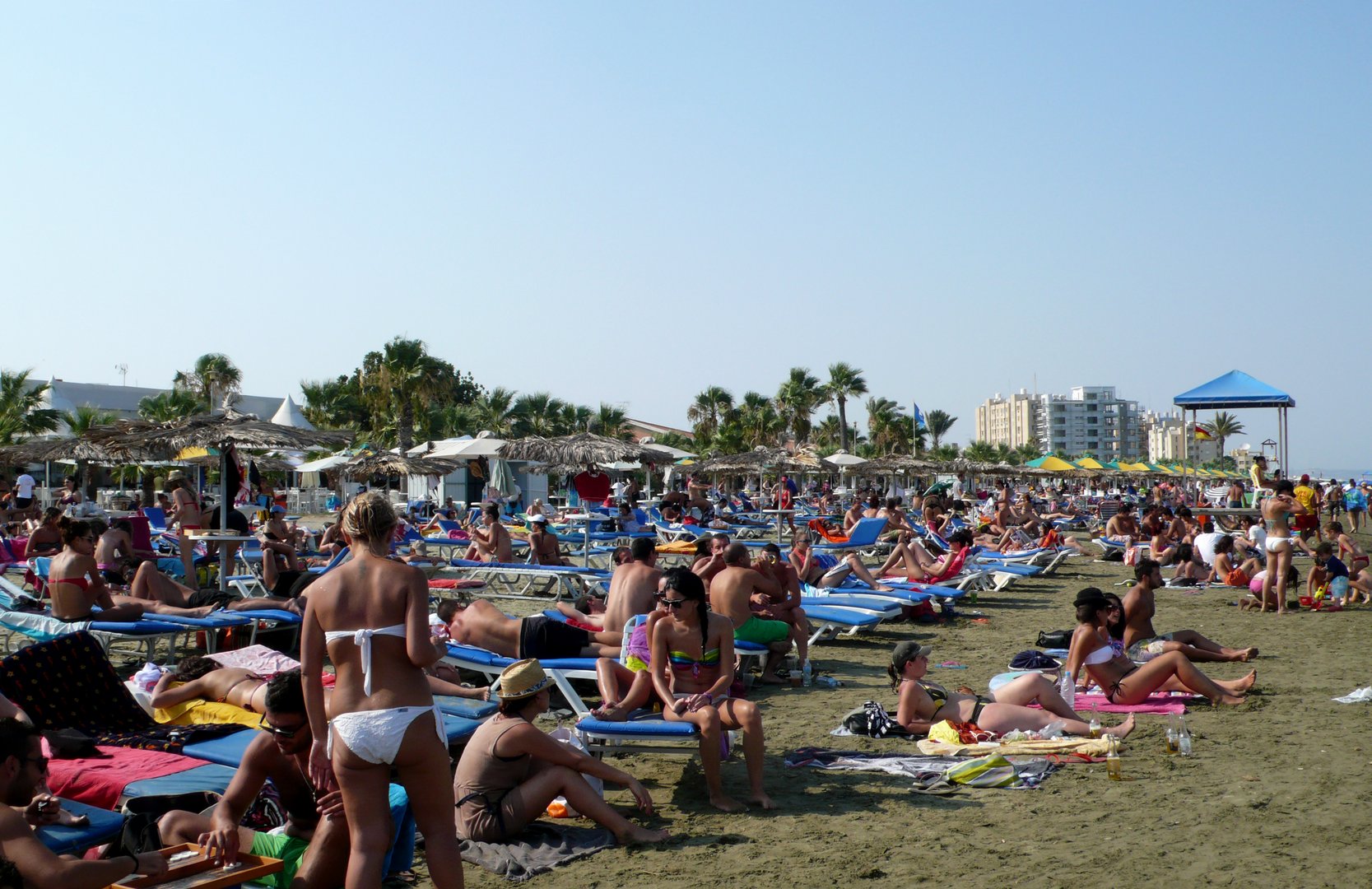
Cyprus’ tourism sector is currently down by around 20 per cent due to ongoing instability in the Middle East, according to the head of the Cyprus hotel managers association (Pasydixe) Christos Angelides, who nevertheless expressed cautious optimism for a partial recovery through last-minute bookings in the coming months.
“Unfortunately, losses for the year so far appear to be around 20 per cent – a huge number that cannot be shrugged off,” Angelides said.
He added that hotels operating year-round had already lost the March, April and May period.
Angelides also said the industry had called for financial support from the European Union, adding that “this is something we have requested and continue to request, and we hope it will eventually materialise”, noting that conflicts across the Middle East had had a direct impact on Cyprus.
He said the industry’s priority remained maintaining service quality and the island’s reputation as a safe tourist destination.
“Our effort – as well as that of the entire hotel sector – is to maintain high levels of quality and service despite the difficulties, while preserving our good reputation as a tourist destination,” he said.
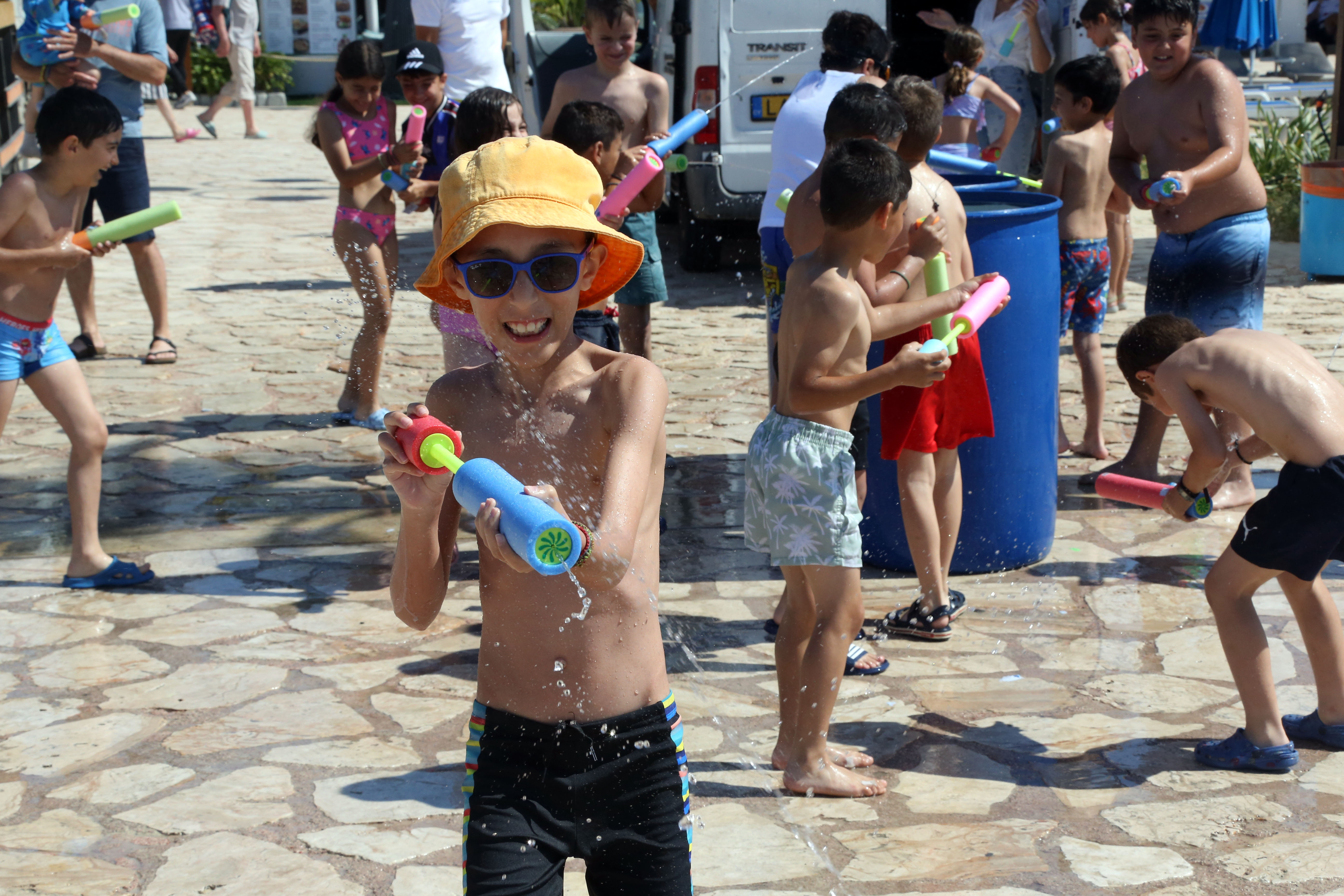
“The image of Cyprus as a safe destination offering quality and service has been built with great effort and must be protected like the apple of our eye.”
Commenting on activity over the Kataklysmos holiday weekend, Angelides said there had been some movement, but it was short-lived.
Hotel bookings, he said, remained at relatively low levels and were insufficient to offset cancellations or match previous years’ performance, with uncertainty continuing over the summer season.
He expressed hope that ongoing efforts towards de-escalation in the region would help both by reducing doubts about Cyprus as a destination, and by lowering fuel prices.
“We are still left with July to generate tourist flow,” he said, adding that any recovery would depend heavily on last-minute bookings.
Angelides warned that Cyprus’ tourism performance remains vulnerable not only to geopolitical developments but also to competitiveness in the broader Mediterranean market.
Asked about Larnaca and Famagusta, he said occupancy levels were currently “moderate”.
He added that the sector must continue what he described as an “aggressive strategy” through to 2027 in order to remove lingering doubts about the island’s safety.
Cyprus, he said, had faced reputational challenges in March, April and May, which had been exploited by competing destinations in Europe.
“Now we must work very hard to remove this doubt and focus on attracting additional visitors to offset the damage that has been done,” he said.
He concluded that 2026 was expected to close with losses for the sector, though the industry hoped these could be partially offset through season extension and improved performance in the months ahead.


Click here to change your cookie preferences