
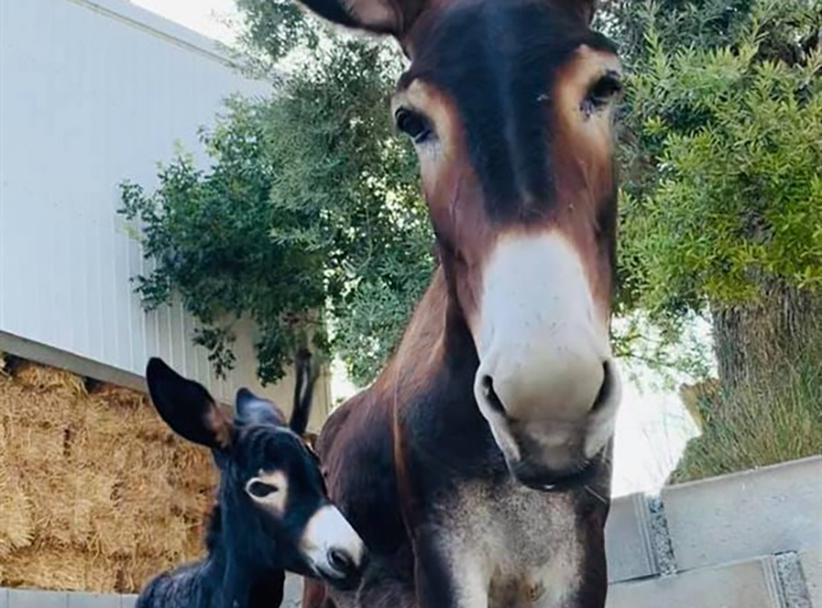
The camels of China and the donkeys of Cyprus have long since played a vital role for agrarian economies. But today they are farmed for their milk, still playing an important role
By Karen Taylor
To think of China’s ancient Silk Road is to picture heavily laden camels slowly making their way across great swathes of empty land, connecting cultures and trades from around the world. But what has happened to those camels in modern-day China?
As with all beasts of burden, they have been largely replaced by machines, engines that run quicker and cost less to maintain. But, as with donkeys in Cyprus, this does not mean they have been entirely disregarded.
By the beginning of this century, native Bactrian camels had lost much of their economic appeal and their numbers fell, even in their traditional home of Xinjiang in the country’s northwestern Keping County. In recent years, Keping has actively encouraged camel breeding by implementing government initiatives and providing subsidies to farmers to build enclosures, guarantee camel milk purchases, and subsidise insurance costs.
The aim is to guide farmers towards intensive farming, and to stimulate the camel breeding industry across the county.
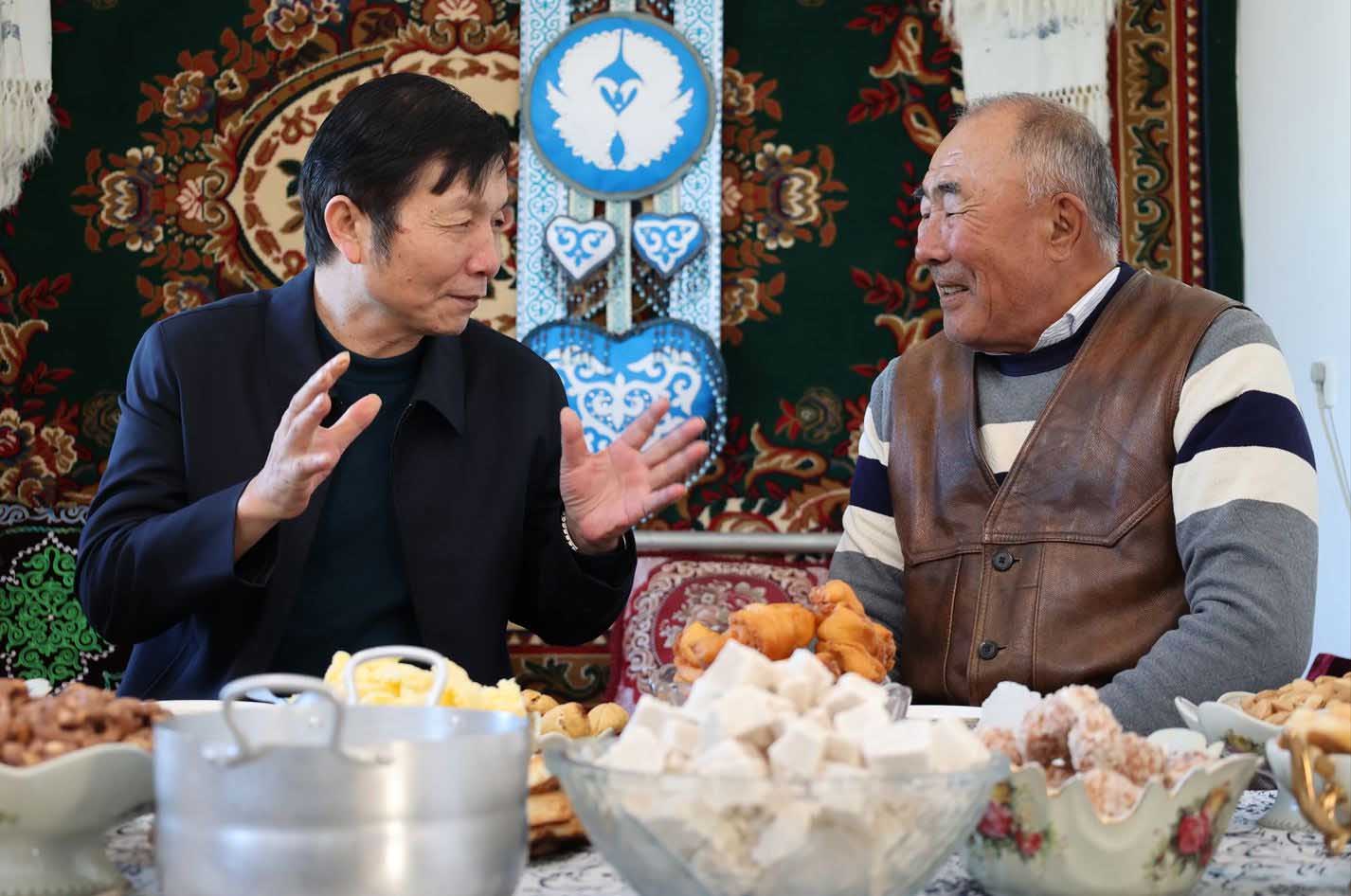
“The number of camels in China drastically declined because they no longer served as a means of transportation,” explains founder of Xinjiang Wangyuan Camel Milk Ltd Chen Gangliang. Exploring their economic value, he says, has protected both the camel populations and the herders, who mainly belonged to Kazakh and Mongol groups.
The problem though was the short shelf life of camel milk, making it difficult to transport and sell across China, let alone abroad. Six months later, he came up with a method to biofilter the milk meaning it would keep for six months, as a result of which it is now shipped nationwide and beyond, largely in the form of powder.
“At the beginning of 2024, with the support of government policies, I started raising camels. My income last year was about 700,000 yuan (€88,000). Now I have 180 camels in my factory, and the daily milk production has reached about 400kg,” adds Camel Breeding Farm Owner Dawuti Yisha.
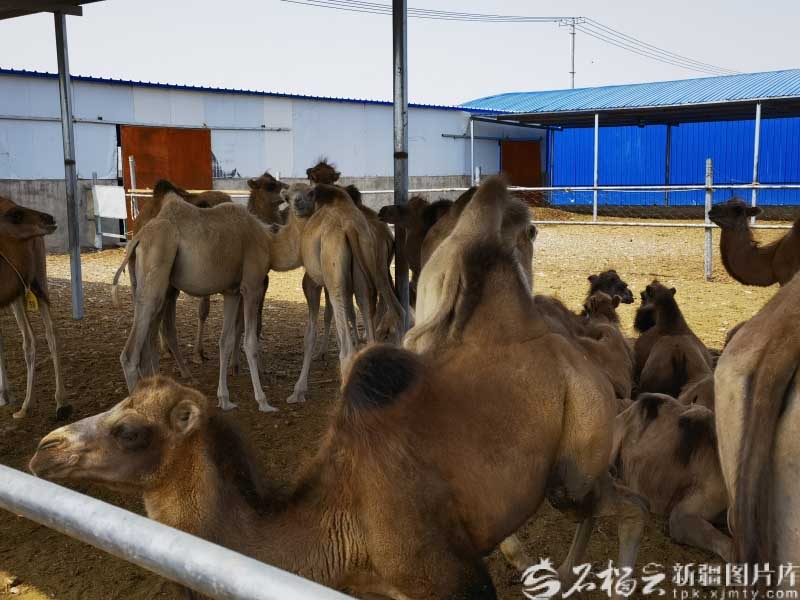
Camel milk has been consumed in northern China for centuries, and was often used as a nutrient-rich food and traditional medicine for the elderly, children and sick. Now it is experiencing a boom as a high-value health product, with the industry shifting to also sell processed items like camel milk powder and yogurt.
The donkey of Cyprus has a similar history. Donkeys hold a special place in the island’s cultural identity; from their traditional role in agriculture to their modern uses in eco-tourism and artisanal products, donkeys have remained indispensable.
Traditionally used as a beast of burden among the agrarian population, its numbers have waned. Funded by the Research and Innovation Foundation and led by researchers from the Cyprus University of Technology (Tepak), the Golden Donkey Farm tells a different story. Today it is home to around 200 donkeys, making it the largest donkey farm on the island and one of the largest in Europe.
“It is important to study non-cow milks and find new or alternative sources of food,” says Professor Fotis Papadimou. This led to the team developing a freeze drying process for the donkey milk which maintained its natural properties and allowed it to be used in the production of alternatives to dairy products and other items.
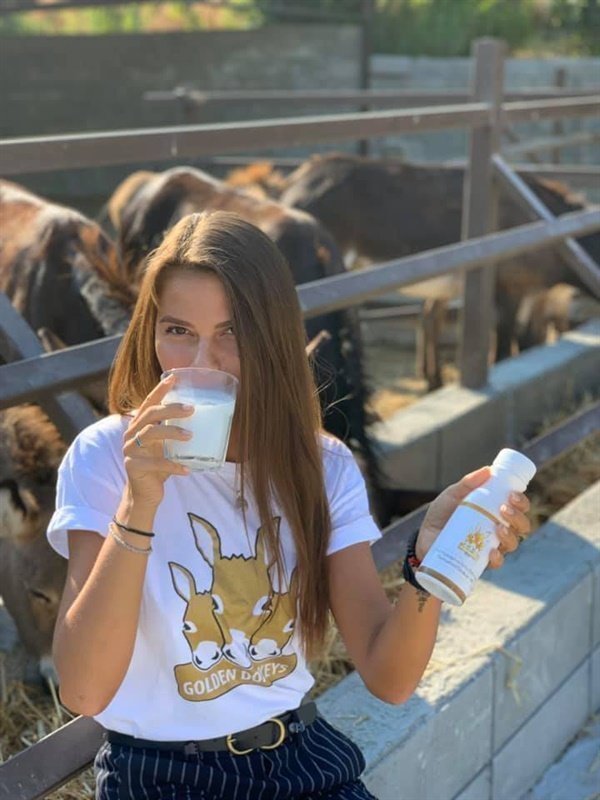
“In the old days, donkeys were very important to the lives of people, they were their means of transport, for agriculture to succeed they needed donkeys,” says Eleftheria Gregoriades of the farm, which also operates as a tourist attraction.
Donkeys only produce about 500ml of milk a day and the farm pasteurises up to 30 litres daily, which is then partially delivered around the island. Donkey milk has many therapeutic uses, it is a natural antibiotic, helps with asthma, psoriasis and eczema and was historically given to those with whooping cough.
In its modern, freeze dried powder form, it is also used to create a line of products including creams, shampoo and commercial products such as chocolate. If the creams have 10 per cent donkey milk then they help the skin.
From breeding programmes to keeping traditional species alive to producing a healthy alternative to milk, from boosting animal herders in remote China and tourism on a sunny island, ancient beasts of burden have secured a place in the future.
About Mirror of Culture
Mirror of Culture is a joint initiative of the Cyprus Mail and the Chinese embassy. It highlights the parallels between Cypriot and Chinese culture to set an example of acceptance, respect and
understanding among the various cultural communities on the island, recognising the fundamental importance of culture.
Culture is the universal language that transcends many barriers, including language and geography. The aim is to work with diverse cultural communities in Cyprus to share and promote our vibrant cultures to further bolster the bonds among all the people of Cyprus and celebrate the diversity of cultures in the world.
Furthermore, the initiative understands the importance of cultural preservation, which is an important way for us to transmit traditions and practices of the past to future generations.




Click here to change your cookie preferences