
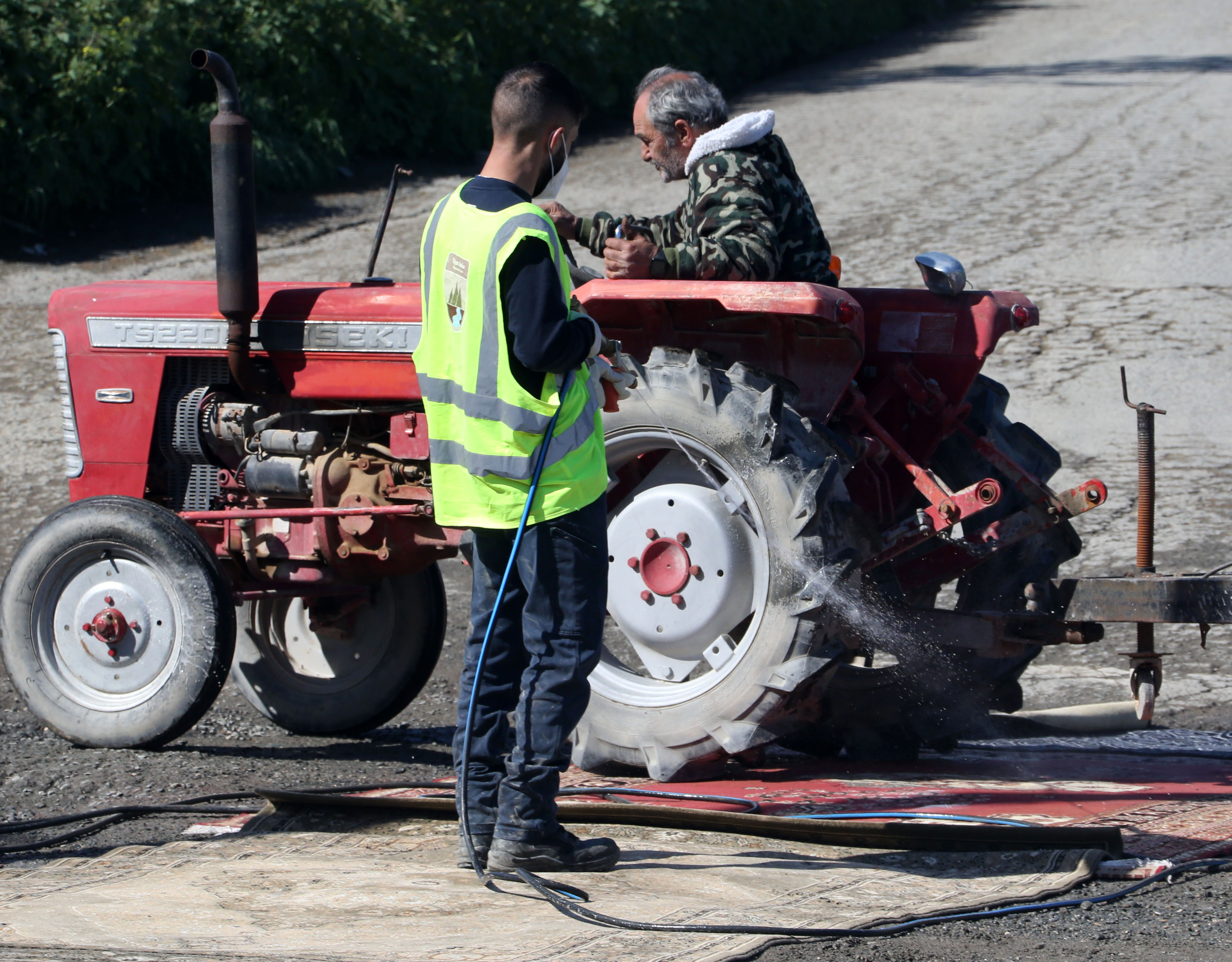
Animal culling aimed at containing the outbreak of foot-and-mouth disease is continuing as planned, Agriculture Minister Maria Panayiotou said on Thursday, while the cabinet has approved significantly tougher penalties for violations of animal health legislation.
Speaking after a cabinet meeting, Panayiotou said the culling programme was progressing normally following measures announced earlier this week, citing the case of a livestock farm in Pachna where infected animals are due to be put down.
Asked whether there had been attempts to prevent the culling from taking place, the minister said she had been informed by veterinary services in Limassol that operations were proceeding normally with police assistance.
“I have not been informed of any reaction so far, based on the information I have received,” she said.
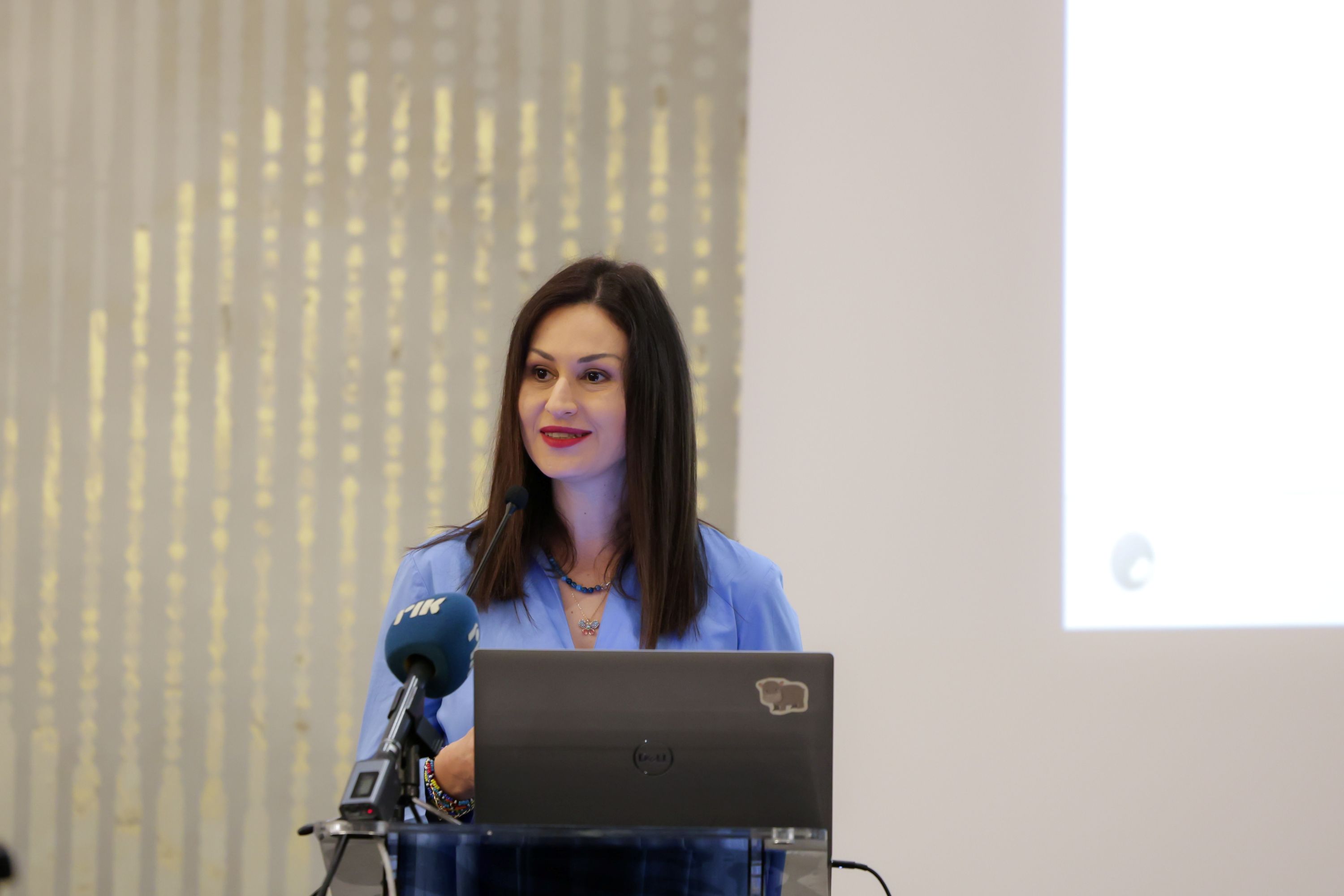
The minister also announced that the cabinet had approved a proposal by the agriculture ministry to substantially increase penalties under the Animal Health Law.
Under the changes, the penalty for failing to comply with the law will increase from a maximum prison sentence of six months or a fine of €3,323 to up to five years in prison or a fine of €250,000.
Penalties relating to the movement of animals or animal products from areas not under the effective control of the Republic will rise from a maximum sentence of 12 months imprisonment or a fine of €8,309 to up to 10 years in prison or a fine of €250,000.
In addition, administrative fines imposed by the director of veterinary services in cases of non-compliance with national and EU legislation will increase from €5,000 to €100,000.
To date, and under the prior regulations, 27 administrative fines have been issued worth €91,540.
Meantime the police are investigating six cases involving serious violations.
Panayiotou also said the government remained in constant dialogue with all stakeholders in the halloumi sector through the Halloumi Monitoring Committee, stressing that its priorities were safeguarding the product’s protected designation of origin (PDO) status, maintaining its position as Cyprus’ leading agricultural export and ensuring the viability of all parties involved.
Meanwhile, veterinary authorities confirmed that all animals at the infected farm in Pachna are scheduled to be culled on Friday.
President of the Veterinary Association and member of the epidemiological team, Dr Demetris Epaminondas, stated that preparations had already begun, with burial sites for the animals having been opened on Thursday.
“The burial sites have been prepared and tomorrow all animals at the specific farm will be culled,” he said.
Epaminondas welcomed the cooperation shown by the farm owner, saying this was the approach veterinary authorities had sought from the outset in order to conclude the culling process and proceed with further testing.
“So far, no other positive case has been identified in the area,” he added, noting that farms located near the infected holding appear to have tested negative.
“With Famagusta and Paphos still free of cases and if this proves to be the only outbreak in Limassol, we hope we will remain clear, which would mean the disease has been brought under control,” he said.
Police have maintained a presence in the Pachna area since Thursday morning to ensure the smooth implementation of the operation.
Meanwhile the measures decided earlier this week included greater involvement of the police and the army in enforcing bio-security.
On Wednesday, a meeting was held to discuss this, featuring the ministers and permanent secretaries of the three involved ministries – agriculture, defence and justice. Also attending were the respective leaders of the police and the National Guard.





Click here to change your cookie preferences