
From ship horns to brainwaves: Sound of Shanghai to play for first time this week at opening of China Film Week
By Karen Taylor
Meaning City on the Sea, Shanghai is one of the most populous cities in China. A technological and financial hub, it is fast paced and high tech. It is also noisy. But what is this noise made up of? This is a question posed by Cypriot composer Marios Joannou Elia, whose latest cinematic audiovisual project, aptly called the Sound of Shanghai, is dedicated to all the sounds the city, including its modern seafront and ancient heart, makes.
“Undoubtedly, Shanghai stands among the greatest cities in the world. It has become one of the defining symbols of contemporary China: a place where history, innovation, cultural heritage and future vision coexist with extraordinary intensity,” says Marios. “Sound of Shanghai emerged from a simple yet demanding artistic question: how can a city be transformed into music?”
By employing more than 250 musicians, recording more than 6,500 audiovisual fragments and creating over 700 audio tracks in more than 90 locations, is the quick answer. In this way a “three-dimensional sonic experience that surrounds the audience with the acoustic atmosphere of Shanghai itself” was created.
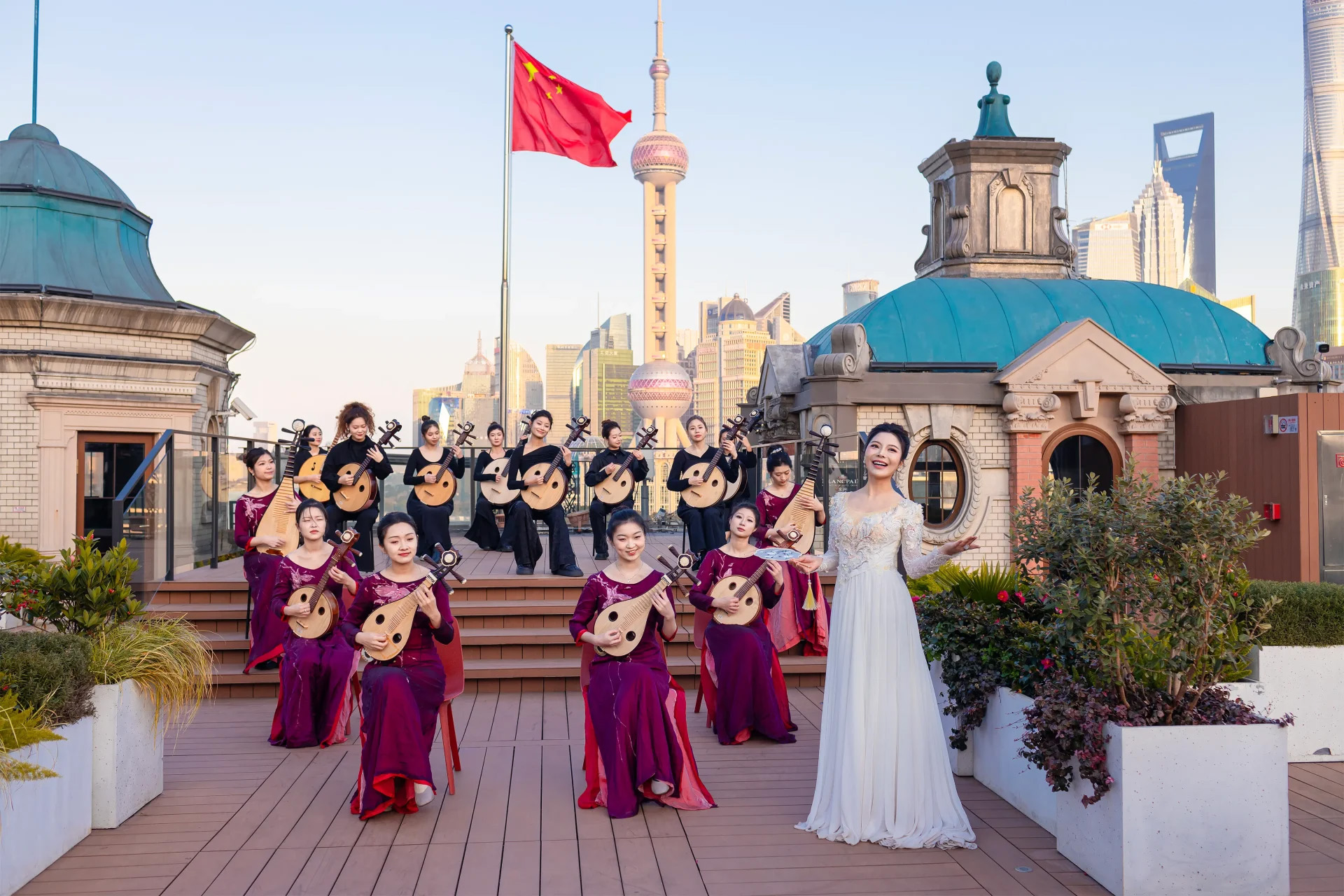
Although Shanghai is thousands of kilometres away from Cyprus, the island, through Marios, is not only behind the project but also reflected in it. The first example of this is Gu Embroidery, a highly valued Chinese textile originating from the Ming Dynasty, captured in Sound of Shanghai by the acoustic textures of thread, needle and scissors, which are then interwoven with a traditional Chinese ruan orchestra.
The second involves traditional shadow puppetry, whose traditional gongs, drums and accompanying instruments were authentically recorded, and then layered with original percussive and melodic lines.
“Despite their different artistic forms and historical backgrounds, these crafts and arts are respectively found in the Cypriot cultural heritage, with embroidery traditions like Lefkara lace, crochet or needlepoint lace, and shadow theatre known as Karagiozis,” says Marios, “thus making it obvious that humans are interconnected in various ways through culture.”

Although very different in scale, Cyprus and Shanghai share a functional identity as gateways of exchange. “Positioned at critical intersections, both regions developed through an openness to external commerce,” adds Marios. “This enduring role as commercial crossroads directly shaped their histories, forcing both regions to adapt to shifting political powers while forging rich, international cultural identities.”
The recorded sounds of Sound of Shanghai merge echoes of the city’s past with contemporary and futuristic elements. These capture everyday urban life, such as the deep resonance of Huangpu ship horns and their engines, alongside the Bund’s warning megaphones, offering a vivid acoustic cartography of the Shanghai’s most visited area.
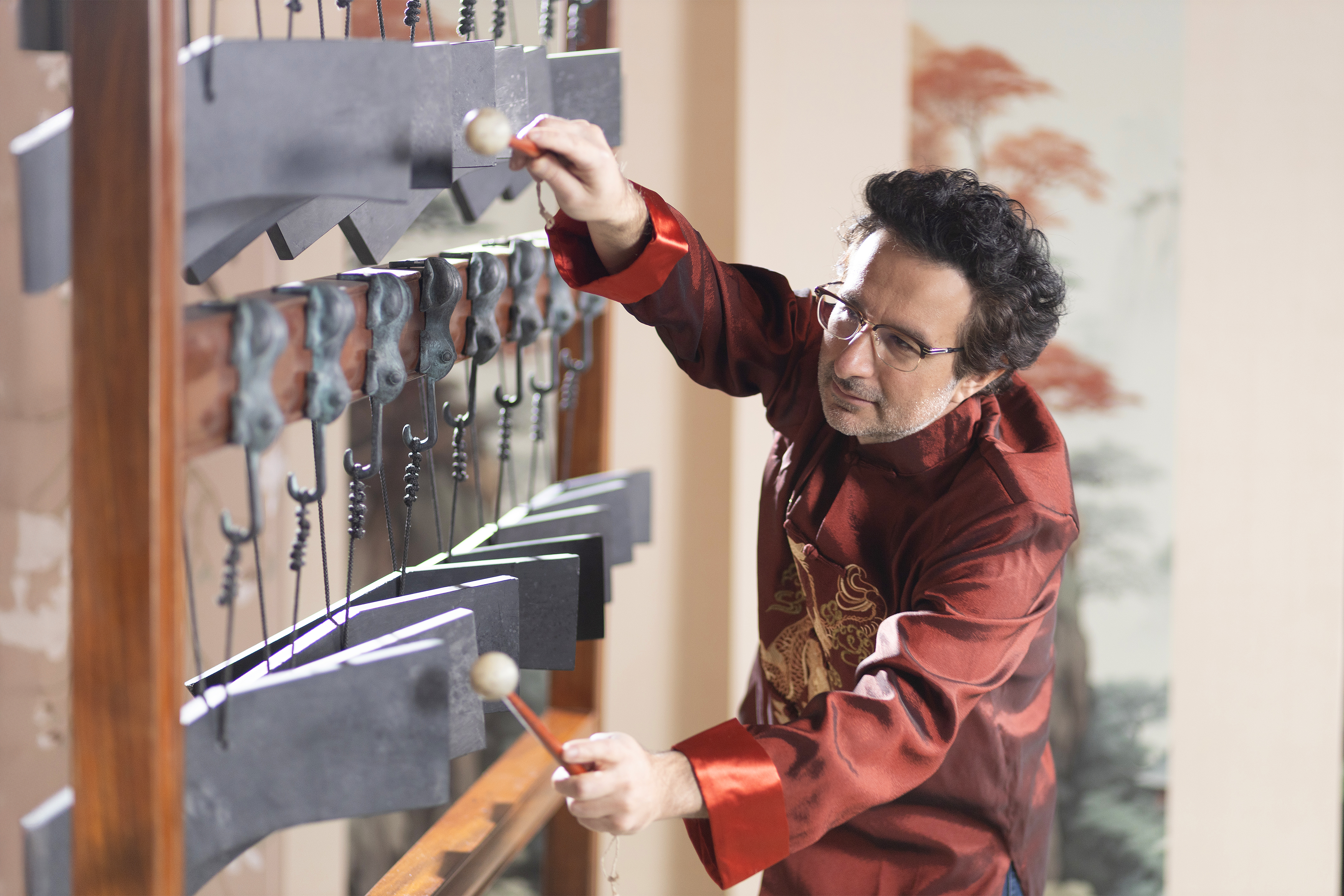
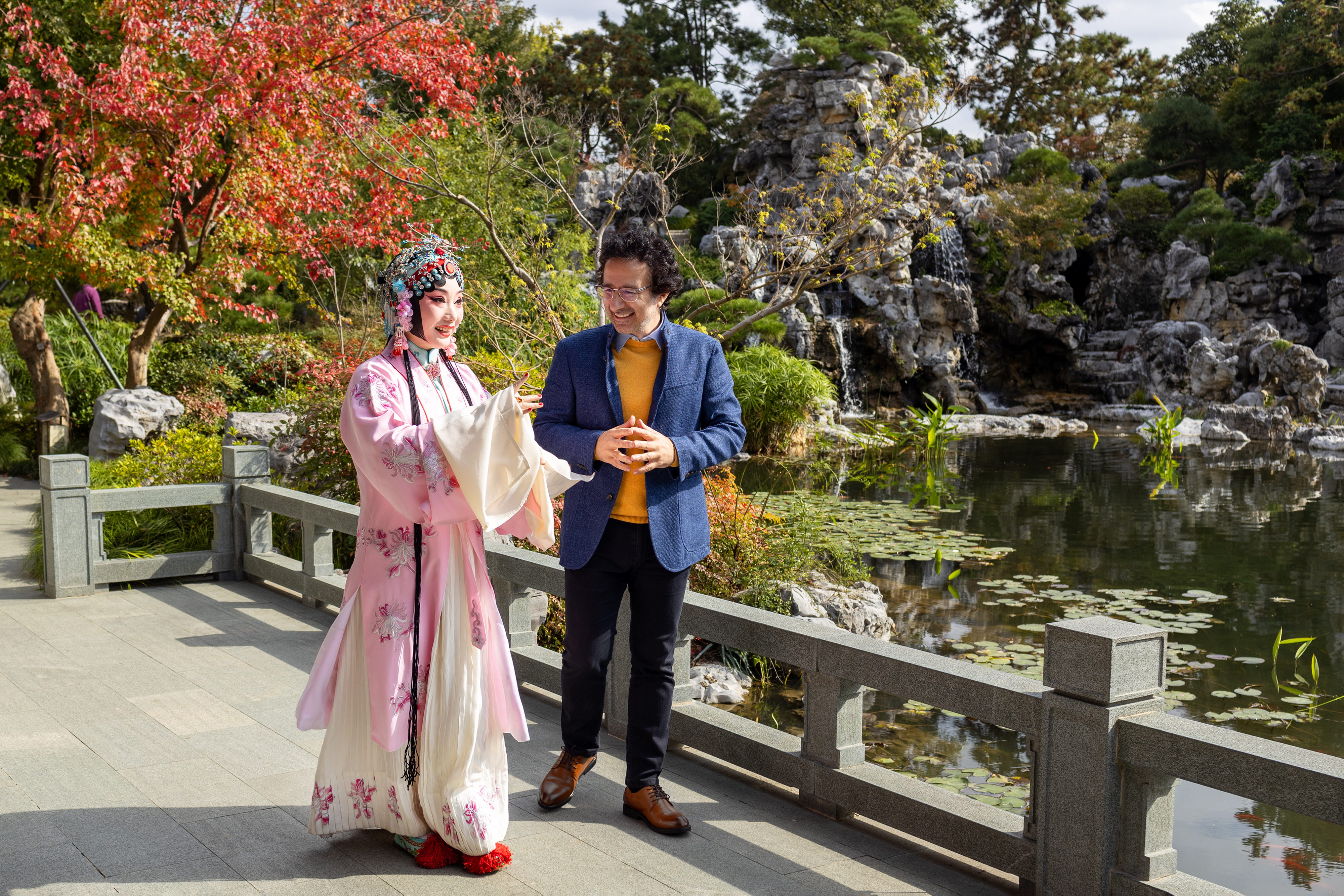
Central to the work is Kunqu opera singer Zhao Jinyu. The juxtaposition of this ancient art with globalised urbanity explains why the work is subtitled Opera of a Cosmopolis. Crucially, says Marios, “Sound of Shanghai is a performative work rooted in original music, where traditional Chinese instruments blend seamlessly with European timbres – a pairing that mirrors Shanghai’s history as a cultural crossroads”.
Marios himself became an integral part of the project by recording his brainwaves when he first arrived in China and then again after three months of submerging himself in Shanghai. The recordings captured his brain’s electrical activity, which was subsequently translated through a specially developed algorithm into musical parameters, allowing neural activity to become electronic sound.
“The scientific team observed measurable differences between the two recordings. At the beginning, I was encountering Shanghai as an unknown environment. By the end of my stay my relationship with the city had been profoundly transformed. These changes did not remain abstract scientific data. They became part of the work itself. The brain-wave patterns were converted into sound and incorporated into the musical language of Sound of Shanghai, allowing the city’s influence to resonate quite literally within the composition,” he says.
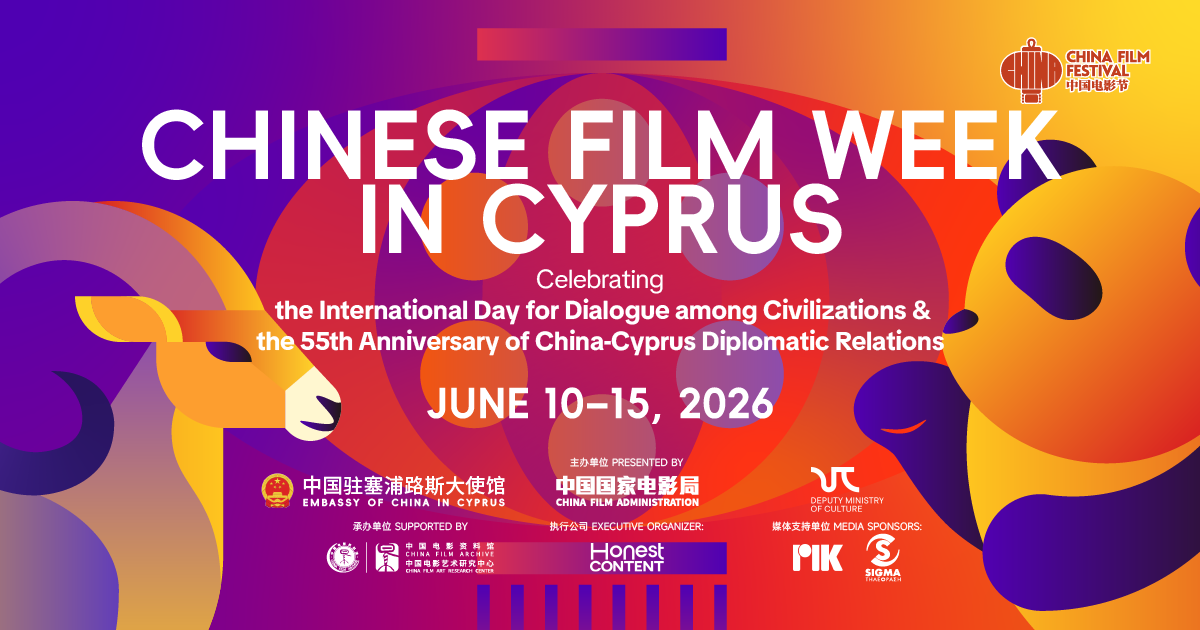
Bringing the gateways of exchange of Cyprus and Shanghai together has particular relevance for the film’s first screening on June 10, the International Day for Dialogue among Civilizations. The UN declared June 10 as such in 2024 following a proposal put forward by China and supported by 80 countries, including Cyprus, to emphasise that all civilizational achievements constitute “the collective heritage of humankind.” The purpose is to underline the crucial role of dialogue in maintaining global peace and achieving collective progress. “Understanding between cultures is cultivated through encounter, listening and lived human experience,” says Marios. “At its core, Sound of Shanghai is an invitation to listen differently: to cities, to cultures and to one another”.
Chinese Film Week begins on Wednesday and runs until June 15 during which the latest from the Chinese cinema industry will be shown, including A Table for Two,animated feature I Am What I Am, Hong Kong comedy Night King, and the action thriller starring Jackie Chan The Shadow’s Edge.
Sound of Shanghaiwill be shown in Nicosia at the Nicosia Municipal Theatre as part of the opening ceremony of the Chinese Film Week, running until June 15 in both Nicosia and Limassol. Further information on the Chinese Film Week can be found here, and information on the Sound of Shanhgai here.
About Mirror of Culture
Mirror of Culture is a joint initiative of the Cyprus Mail and the Chinese embassy. It highlights the parallels between Cypriot and Chinese culture to set an example of acceptance, respect and
understanding among the various cultural communities on the island, recognising the fundamental importance of culture.
Culture is the universal language that transcends many barriers, including language and geography. The aim is to work with diverse cultural communities in Cyprus to share and promote our vibrant cultures to further bolster the bonds among all the people of Cyprus and celebrate the diversity of cultures in the world.
Furthermore, the initiative understands the importance of cultural preservation, which is an important way for us to transmit traditions and practices of the past to future generations.


Click here to change your cookie preferences