
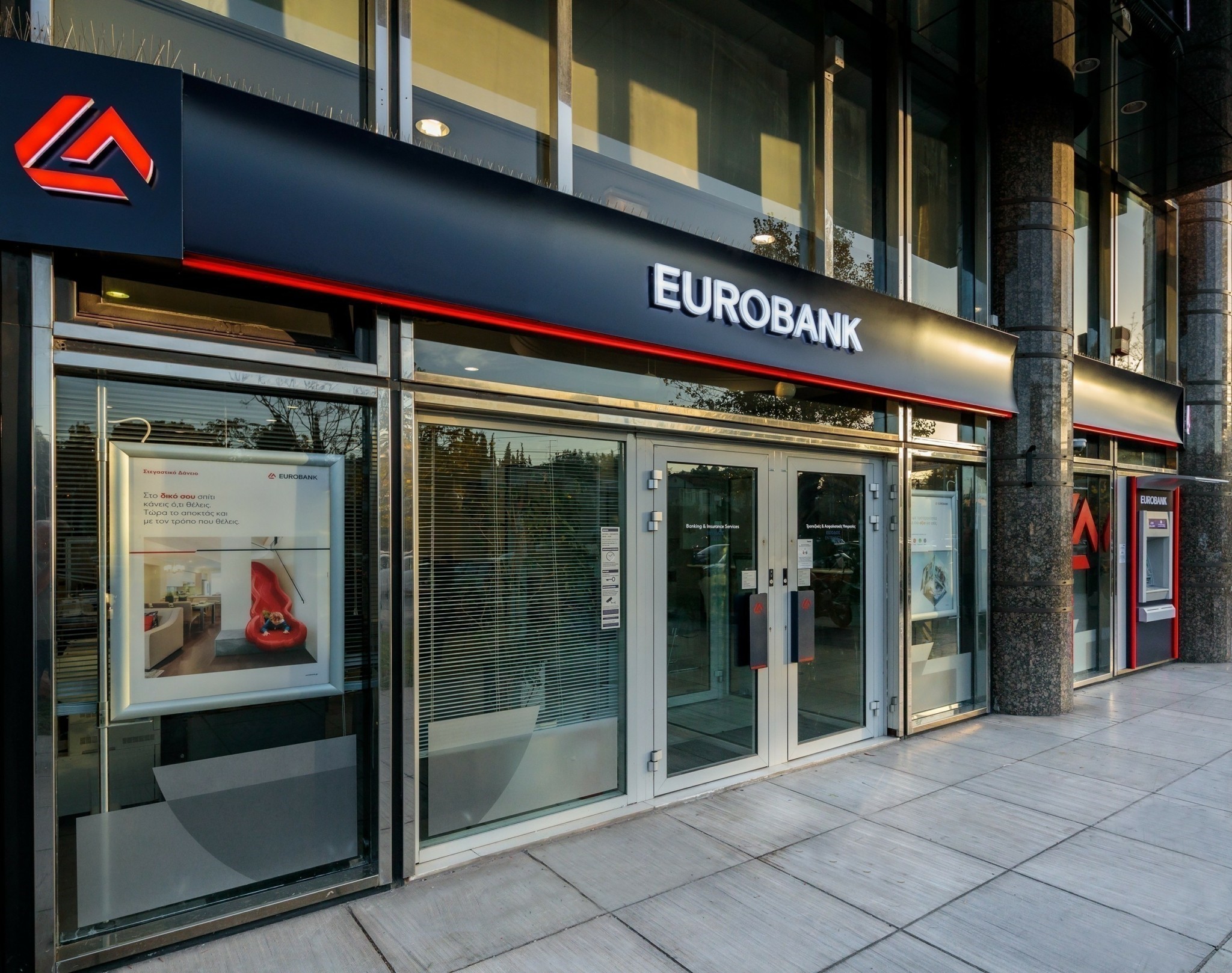
Eurobank has projected that its total financing in Crete between 2023 and 2028 will exceed €1.3bn, underlining what it describes as a long-term commitment to supporting the island’s development trajectory and local business ecosystem.
The funding is directed towards investments across key sectors of the Cretan economy, including tourism and hospitality, energy and infrastructure, construction and real estate, trade, manufacturing and services, with the bank saying the aim is to help build a more resilient and sustainable production model for Crete.
As part of this strategy, Eurobank’s senior leadership is carrying out a three-day visit to Crete from June 8 to June 10, 2026, with the objective of strengthening dialogue with the business community, institutional stakeholders and local authorities.
The delegation is led by the chairman of the board, Giorgos P. Zanias, and the chief executive officer, Fokion Karavias, accompanied by deputy chief executives Konstantinos Vasileiou, Iakovos Giannaklis and Stavros Ioannou, along with senior bank executives.
During the visit, the group is holding a series of meetings with entrepreneurs and representatives of productive sectors across all regional units of Crete, alongside separate discussions with bank employees on the island.
Speaking on the role of Crete in Greece’s broader economic framework, Karavias said that “Crete is a model of a fully integrated local economy, with strong and mutually reinforcing activity across all sectors, from agricultural production to services.”
He added that the “strong brand Crete promotes local products and supports their presence in international markets, while enhancing the reputation and image of Greece as a whole”, attributing a central role to tourism in what he described as a positive economic cycle.
Moreover, Karavias also highlighted the importance of infrastructure development, stating that “major infrastructure projects under way are upgrading Crete as a destination while simultaneously improving the quality of life for residents.”
He further said that Eurobank plays a key role in financing both public and private investment projects, particularly those that enhance tourism competitiveness and productivity, while strengthening long-term relationships with the local business community.
The bank said the visit also reflects its strategy of expanding operations in Crete, describing the island as a priority in its business planning.
As part of the programme, Eurobank is hosting a special event in Heraklion on June 8, 2026, bringing together representatives of the business and institutional community.
The event, attended by deputy prime minister Kostis Hatzidakis, will feature a discussion on investment and development in a changing geopolitical environment, with a focus on tourism and Crete’s contribution to the resilience of the Greek economy.
Participants in the discussion include Agapi Sbokou, chair of the board of the Greek Tourism Confederation (SETE), and Eurobank CEO Fokion Karavias.
Eurobank said it has already supported projects with a significant development footprint on the island, noting that it has provided €650m in financing over the past three years.
Among the projects supported are the Northern Road Axis of Crete, the Crete-Attica electricity interconnection, the upgrade of Chania airport and the investment project in Gournes, all of which the bank says contribute to the island’s transformation.
Looking ahead, the bank said planned new investments in Crete are expected to exceed half a billion euros by 2028, reinforcing what it described as the island’s growing development momentum.
Through its Business Banking Tourism programme, now in its 16th consecutive year, Eurobank said it has supported more than 65,000 small and medium-sized enterprises across the tourism ecosystem.
In parallel, Eurobank is expanding its physical presence on the island, operating more than 40 service points in Crete and opening a new Future Branch in Hersonissos, the third of its kind on the island and the 18th nationwide.
The bank said the new branch incorporates advanced technological systems aimed at improving customer experience, alongside accessibility features for people with disabilities, as part of its broader digital and physical network upgrade strategy.
Eurobank concluded that its long-term approach remains focused on strengthening entrepreneurship on the island and contributing to a stronger, outward-looking and sustainable production model for Crete and Greece.


Click here to change your cookie preferences