
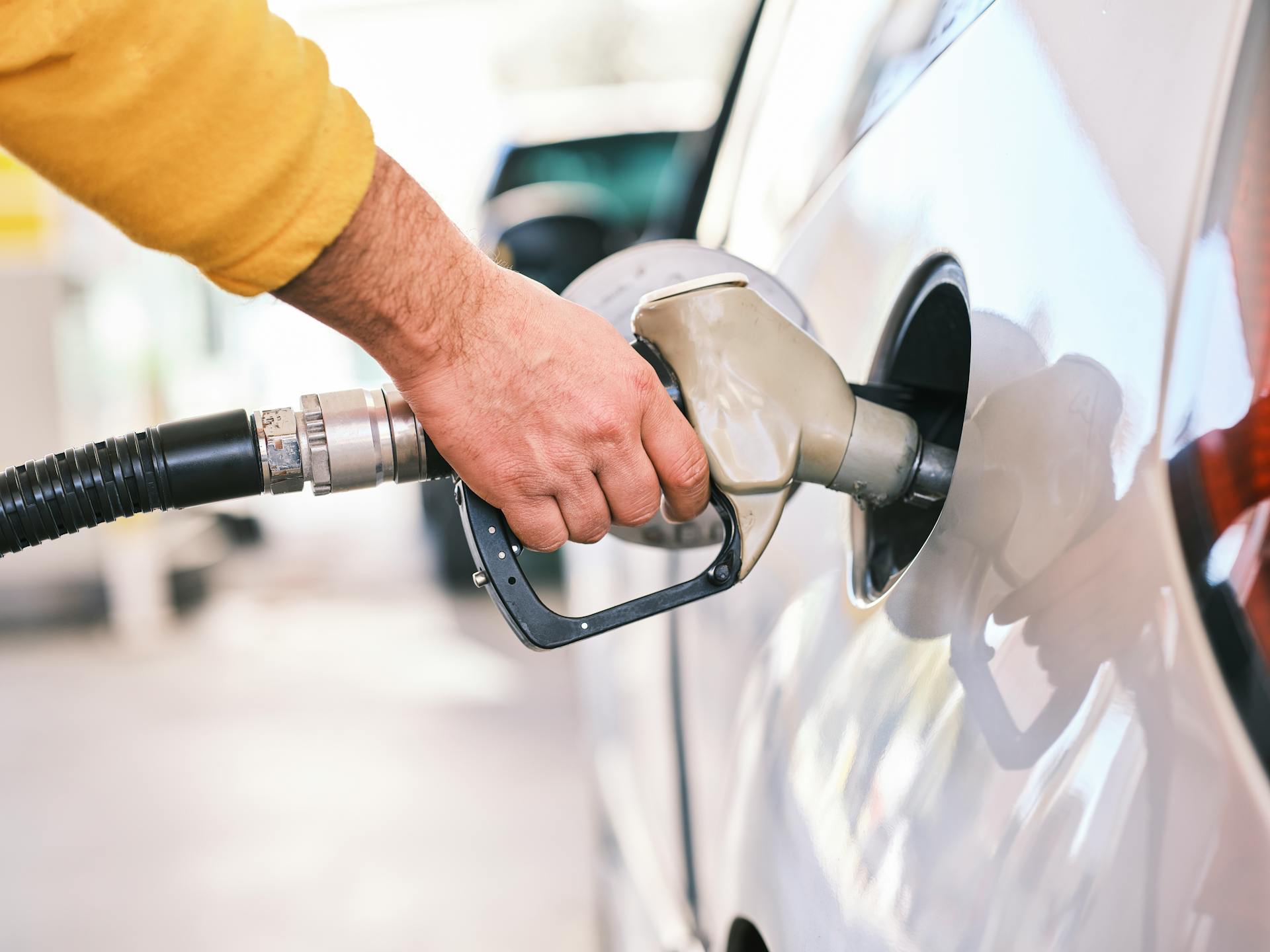
Retail fuel prices in Cyprus are expected to fall further in the coming days, following a series of reductions over the past month, according to Consumer Protection Service director Constantinos Karagiorgis.
Karagiorgis told the Cyprus News Agency (CNA) that retail prices had been moving downwards over the past month, with diesel falling by an average of 13.5 cents per litre and unleaded 95 petrol by 2.4 cents per litre.
He said the downward trend was linked to recent declines in refinery prices, which were now being reflected in fuel shipments arriving in Cyprus.
“This is expected, based on the data we have before us today, to have an impact on retail fuel prices in the coming days with significant additional reductions,” he said.
However, Karagiorgis cautioned that the outlook remained uncertain, particularly given renewed threats concerning the possible closure of the Strait of Hormuz.
“There is still uncertainty in the environment and we still do not have a stabilisation of the situation,” he said, adding that “the whole scenario that I describe as prevailing today in retail fuel prices reflects only the current situation and not the future”.
“No one knows what will happen tomorrow,” he added.
Karagiorgis also pointed to wide differences between fuel prices at individual petrol stations, urging consumers to compare prices before filling up.
He said the difference between the cheapest and most expensive price for unleaded 95 petrol stood at 17 cents per litre, while the gap for diesel reached 23 cents per litre.
According to the service data for June 11, the average price of unleaded 95 petrol stood at €1.586 per litre across Cyprus, with the cheapest price at €1.525 and the most expensive at €1.699.
The average price of diesel stood at €1.739 per litre, ranging from €1.669 to €1.892, while heating oil averaged €1.391 per litre, with prices ranging from €1.338 to €1.479.
Meanwhile, petrol station owners’ association president Savvas Prokopiou also confirmed that fuel prices had been moving lower in recent weeks.
“We have had three reductions in fuel prices in the last month, especially in the price of diesel which has decreased by around 12 to 14 cents, from the highest price it has reached since the start of the war in Iran,” he said.
He said the reduction in petrol prices had been smaller, ranging between 3 and 5 cents per litre.
Prokopiou added that international oil prices had shown signs of stabilising, despite the situation around the Strait of Hormuz.
“Recently, we have been observing a stabilisation in the international price of oil despite the situation prevailing in the Strait of Hormuz,” he said.
He added that the situation appeared to be “somewhat under control” and that “maybe they are trying to maintain the price around 90 to 95 dollars per barrel,” where it had been moving over the past ten days.
“This is a good sign. We hope that there will be some positive development to start reducing prices,” he added.
With the fuel subsidy due to expire at the end of July, Prokopiou also called on Finance Minister Makis Keravnos to extend the reduced fuel tax of 8.3 cents per litre, saying this would help ease the burden on consumers.
“If there is the financial capacity, Keravnos is very experienced to give a little more extension to the reduced fuel tax,” Prokopiou concluded.




Click here to change your cookie preferences