
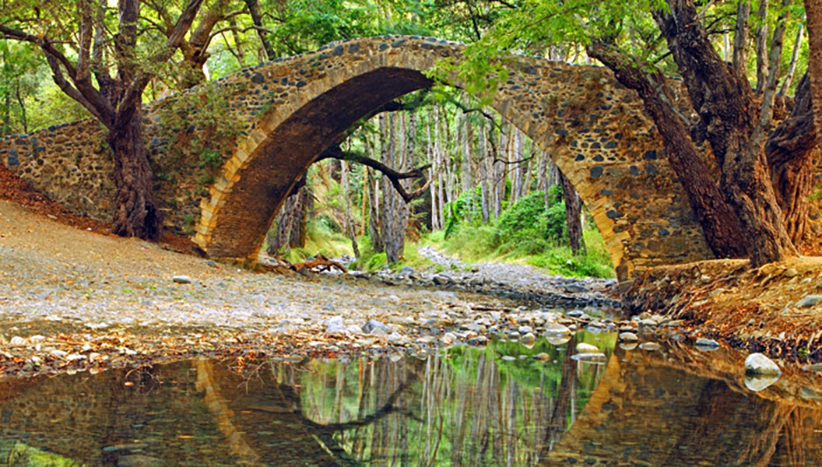
The Xeros and Diarizos river valleys are set to become Cyprus’ first Unesco biosphere reserve areas to promote environmental protection, sustainable development and cultural preservation, the environment commissioner announced on Friday.
The proposed reserve area covers a large area in the Paphos district and includes 32 communities.
Preparations are currently underway for the submission of a nomination dossier to Unesco, with the aim of securing international recognition for the region.
Environmental Commissioner Antonia Theodosiou said biosphere reserves are not simply protected natural areas.
Instead, they are regions where environmental conservation is combined with economic activity, cultural heritage and community development.
“Biosphere reserves are important tools for sustainable development,” she said, explaining that they encourage cooperation between local authorities, state services, businesses, researchers and residents.
The Unesco biosphere reserve programme operates under the organisation’s Man and the Biosphere initiative, which was established to promote a balanced relationship between people and nature.
Around the world, biosphere reserves serve as living examples of how communities can protect biodiversity while supporting local economies and maintaining traditional ways of life.
Unlike nature reserves or national parks, biosphere reserves are not designed to exclude human activity.
The Xeros and Diarizos valleys were selected because of their ecological importance, biodiversity and cultural value.
The region is home to traditional villages, agricultural landscapes, river ecosystems and habitats that support a wide range of plant and animal species.
Proponents of the initiative argue that Unesco recognition would enhance protection of these natural and cultural assets and create opportunities for sustainable tourism, environmental education, and scientific research.
Paphos Regional Tourism Board executive director Nasos Hadjigeorgiou said the proposal is closely aligned with the region’s long-term strategy for sustainable development.
He said Unesco recognition could help attract visitors interested in nature, culture and responsible tourism, benefiting local communities while encouraging environmental protection.
Local communities are also playing a key role in the process.
Haris Pazaros, coordinator of the Diarizos and Xeropotamos Valleys cluster, said that community leaders and local organisations are helping prepare the nomination dossier to reflect local priorities.
Supporters believe that joining Unesco’s global network of biosphere reserves would offer international recognition for the region and foster long-term environmental stewardship, economic resilience and community cooperation.





Click here to change your cookie preferences