
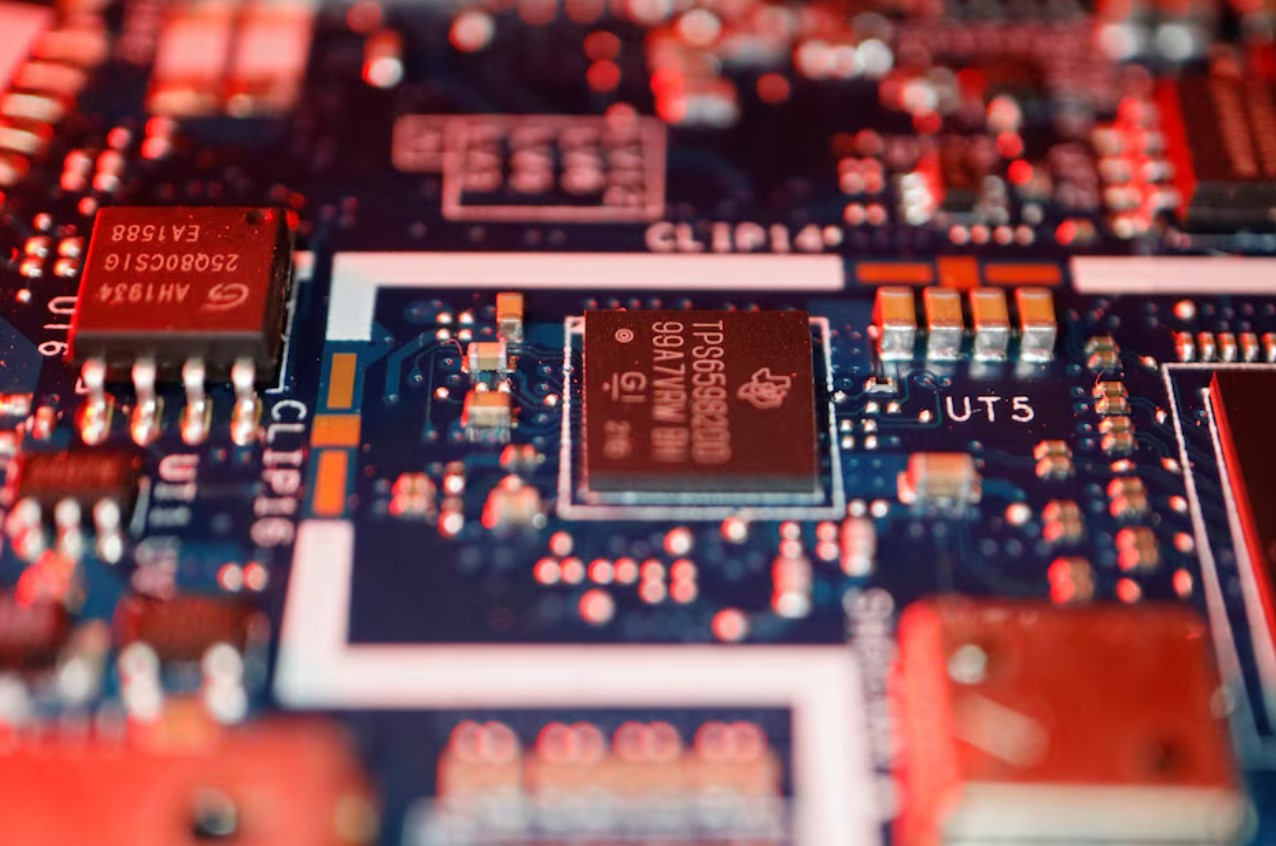
Semiconductor revenue surged by 27 per cent during the first quarter of 2026, reaching a total of $319bn, according to the latest research from Omdia.
This record-breaking growth marks the highest quarterly increase observed since the firm began tracking the sector in the first quarter of 2002.
The memory market proved to be the primary engine of this expansion, with revenues rising by more than 80 per cent sequentially between the final quarter of 2025 and the first quarter of 2026.
Market analysts now anticipate that this trend will lead to total semiconductor revenue surpassing $700bn during the first half of 2026.
Continued demand for artificial intelligence technologies remains a significant factor, while supply and demand imbalances within the memory sector persist as key industry trends.
Revenue for dynamic random-access memory and NAND flash memory nearly doubled within a single quarter.
Strong interest in artificial intelligence has significantly impacted both sectors, driving average selling prices to climb sharply.
These two specific components were responsible for more than 40 per cent of all semiconductor revenue in the first quarter of 2026, a figure substantially higher than the long-term average of 20 per cent.
The NAND sector was a particularly potent driver of this growth, with revenue reaching just under $48bn following a 96 per cent sequential increase.
Average selling prices for NAND rose by 95 per cent as sustained demand from data centres coincided with ongoing supply limitations.
Market momentum is projected to persist through the second quarter of 2026 as supply recovery remains constrained by product mix challenges, yield learning, and technology transitions.
While the memory sector has deviated from historical norms, the remainder of the semiconductor market has performed more consistently with past trends.
When memory integrated circuit revenue is excluded, the wider market showed more modest gains of just over 2 per cent.
Historical data suggests that both the overall market and the non-memory segment typically experience a decline of approximately 4 per cent during the first quarter of each year.
While microcontrollers, discretes, and optical markets saw declines in the low to mid-single digits, components tied to the AI and data centre ecosystem outperformed these seasonal expectations.
Growth is anticipated to continue throughout the second quarter of 2026, with the memory sector once again expected to lead the way.
Although the rate of expansion is forecast to be lower than in the previous quarter, it remains sufficient to generate more than 20 per cent sequential growth for the industry.
“Four consecutive quarters of double-digit revenue growth for the market show the strength of the current demand for semiconductors,” said Practice Leader at Omdia Clifford Leimbach.
“This expected growth would bring the first half of 2026 to over $700bn, well on track to surpass the $1tn threshold this year,” added Leimbach.




Click here to change your cookie preferences