
AFTER Cyprus and France signed the Status of Forces Agreement (SOFA) at the start of the previous week, some media reports claimed that this would lead to the permanent presence of French troops on the island. This gave rise to reports claiming that the Greek F-16 jets stationed in Cyprus, since the drone attack on the Akrotiri air base at the start of March, would remain permanently on the island. The Greek frigate that arrived in Cyprus seas at the same time would also remain it was claimed.
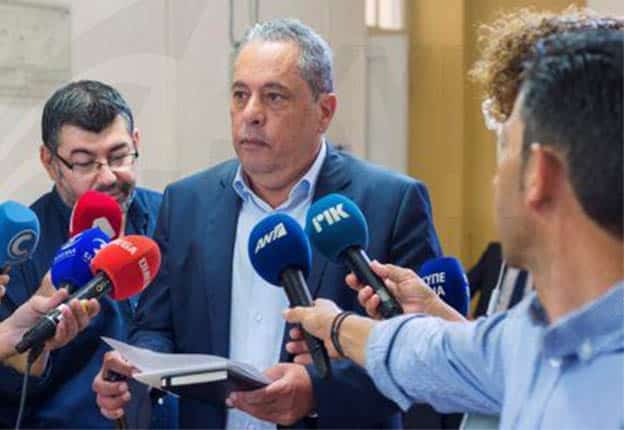
It took a few days for the government to put the record straight and explain that this was not the case. Defence Minister, Vasilis Palmas put an end to these reports on Monday when he said the permanent stationing of the F-16s in Cyprus had never been discussed with the Greek government, although the situation was being evaluated regularly by Athens and Nicosia. The presence of the fighter jets and the frigate was temporary, he said, as there had been no discussion about the length of their stay.
As regards the Cyprus-France SOFA, it did not envisage the permanent presence of French troops on the island, said Palmas. The agreement allowed the facilitating of military exercises, training, and exchange of information between the two countries. French troops could be stationed in Cyprus for a specific period in the case of humanitarian or peace operations aimed at assisting or supporting French nationals who are trapped in a war zone in the region. In short, the reason French troops would be in Cyprus, for a period, would be for humanitarian rather than military reasons.
The issue needed to be clarified by the government, because there was a danger of the media presenting Cyprus as an international military hub. Apart from the British bases, there would be French troops, Greek fighter jets and American troops at the base the US was upgrading as part of its strategic cooperation with Cyprus. And then there are the Turkish occupation troops and the fighter jets Turkey has brought to the island in direct response to the arrival of the Greek F-16s.
The government has earned praise domestically, for its defence agreements and for securing military help from EU member-states after the drone-attack, but it also needed to put things into perspective, which is what Palmas finally did on Monday. It may also have dawned on the government that playing up the military agreements undermined its position on the Cyprus problem and the president’s continuous calls for a resumption of talks. The Republic has every right to bolster its defence and pursue defence cooperation with other countries, but it also needs to consider the optics, especially as it is seeking the direct help of the European Commission on the Cyprus problem. Under the circumstances, Palmas’ comments will have helped matters.


Click here to change your cookie preferences