
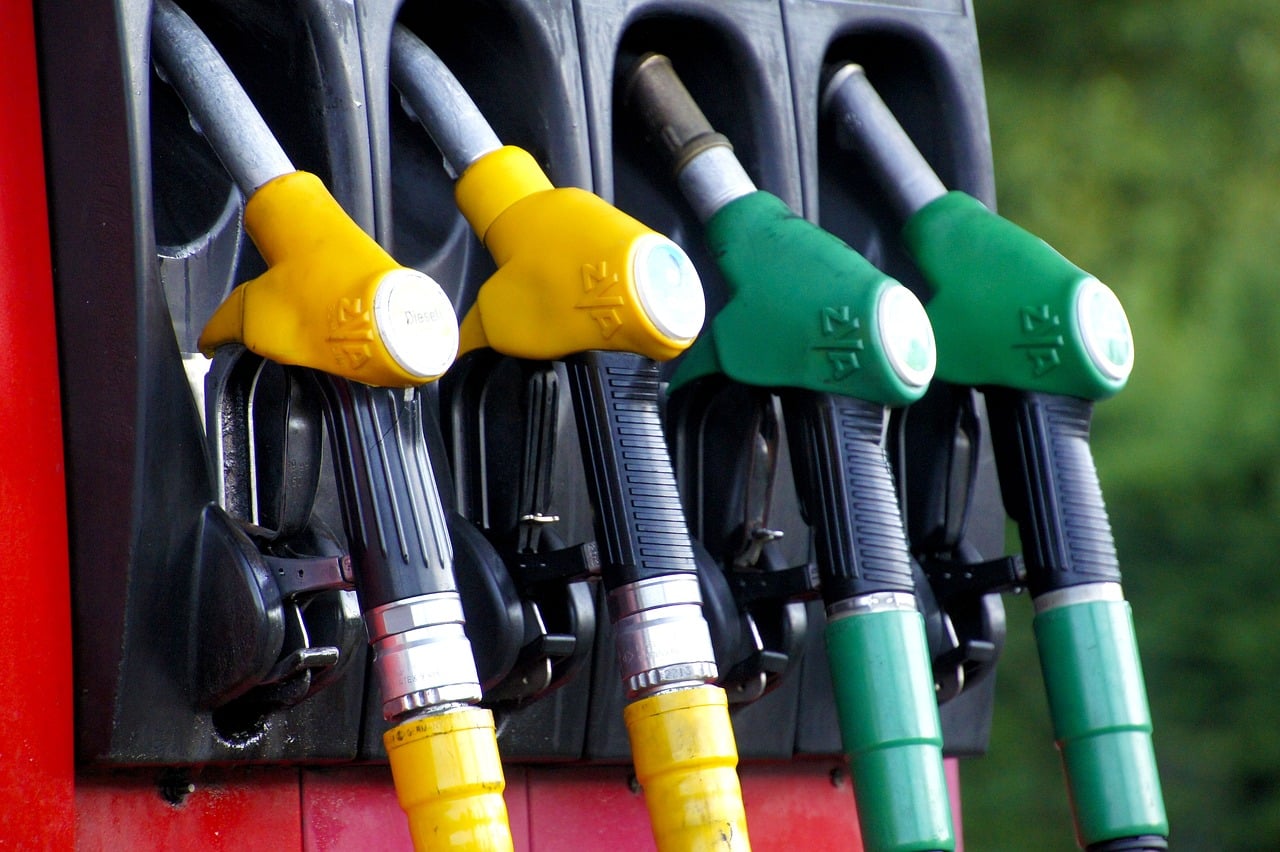
The preliminary agreement between the United States and Iran is expected to lead to further reductions in fuel prices, the energy ministry said on Monday.
“There was a de-escalation in both crude oil prices and refinery prices,” consumer protection service director Constantinos Karagiorgis said.
According to ministry data, the average price of unleaded 95 petrol fell by 6.5 cents per litre during the current month, while diesel prices dropped by approximately 10.8 cents per litre.
Despite the recent declines, fuel prices remain significantly higher than before the outbreak of hostilities.
Compared with levels recorded before the conflict and up to June 19, the average price of unleaded 95 petrol increased by 23.2 cents per litre, diesel by 28.3 cents and heating oil by 44.2 cents. Heating oil prices have remained stable since June.
“It appears that, gradually, not only in fuel prices but across the entire supply chain, normality will be restored,” Karagiorgis said.
Although prices are expected to fall further, he noted that the earlier increases were substantial and that it would take time for prices to return to pre-conflict levels.
“In addition to prices, infrastructure in oil-producing countries has also been affected, which means production may take some time to return to previous levels,” he said.
Asked about the reduced excise duty on liquid fuels, which expires on June 30, Karagiorgis said the matter falls under the finance ministry’s remit. He added that the ministry remains in close contact with his department and receives daily updates on fuel price trends.
Petrol station owners’ association chairman Savvas Prokopiou also said further price reductions are expected.
“We are seeing a worrying stabilisation in international oil prices around $78 to $80 per barrel, which under normal circumstances should have moved lower almost a week after the US-Iran agreement,” he said.
Prokopiou said he expects additional reductions in the coming days and reiterated his support for extending the fuel subsidy due to expire on June 30. He argued that an extension would help ensure a smooth transition and avoid a sudden increase in prices of more than eight cents per litre.





Click here to change your cookie preferences