

Beyond heatstroke, the summer heat can cause exhaustion, low energy and other physiological problems
Most people recognise the warning signs of heatstroke. But what about headaches that last for days, trouble sleeping, feeling foggy in the afternoon, or the tiredness that often comes with the hottest part of summer?
In Cyprus, where summer temperatures often rise above 40C, and heatwaves become a regular part of life, many people see these symptoms as just another part of summer. However, experts warn that long periods of heat can do more than just make us uncomfortable. They can add stress to the body, disrupt sleep, and affect both our mental and physical health.
“Most people in Cyprus underestimate the cumulative effects of heat because it’s such a normal part of everyday life here,” says GP and certified Lifestyle Medicine Physician Dr Nicola Ioannou. “Symptoms such as headaches, poor sleep, low energy, and dizziness often become normalised during summer.”
Although heatstroke is the most widely recognised heat related illness, research indicates that the health impacts of extreme temperatures manifest well before the onset of medical emergencies.
Research conducted by the Cyprus Institute demonstrates that these effects are already quantifiable. Fragkeskos Kekkou, a PhD candidate and Graduate Research Fellow at the Climate and Atmosphere Research Center, reports that elevated daytime and nighttime temperatures as well as heatwaves are linked to increased mortality and hospital admissions in Cyprus, particularly for cardiovascular, respiratory and diabetes-related conditions.
“Our research shows that in Cyprus high daytime and nighttime temperatures and heatwaves already have measurable impacts on public health,” he says.
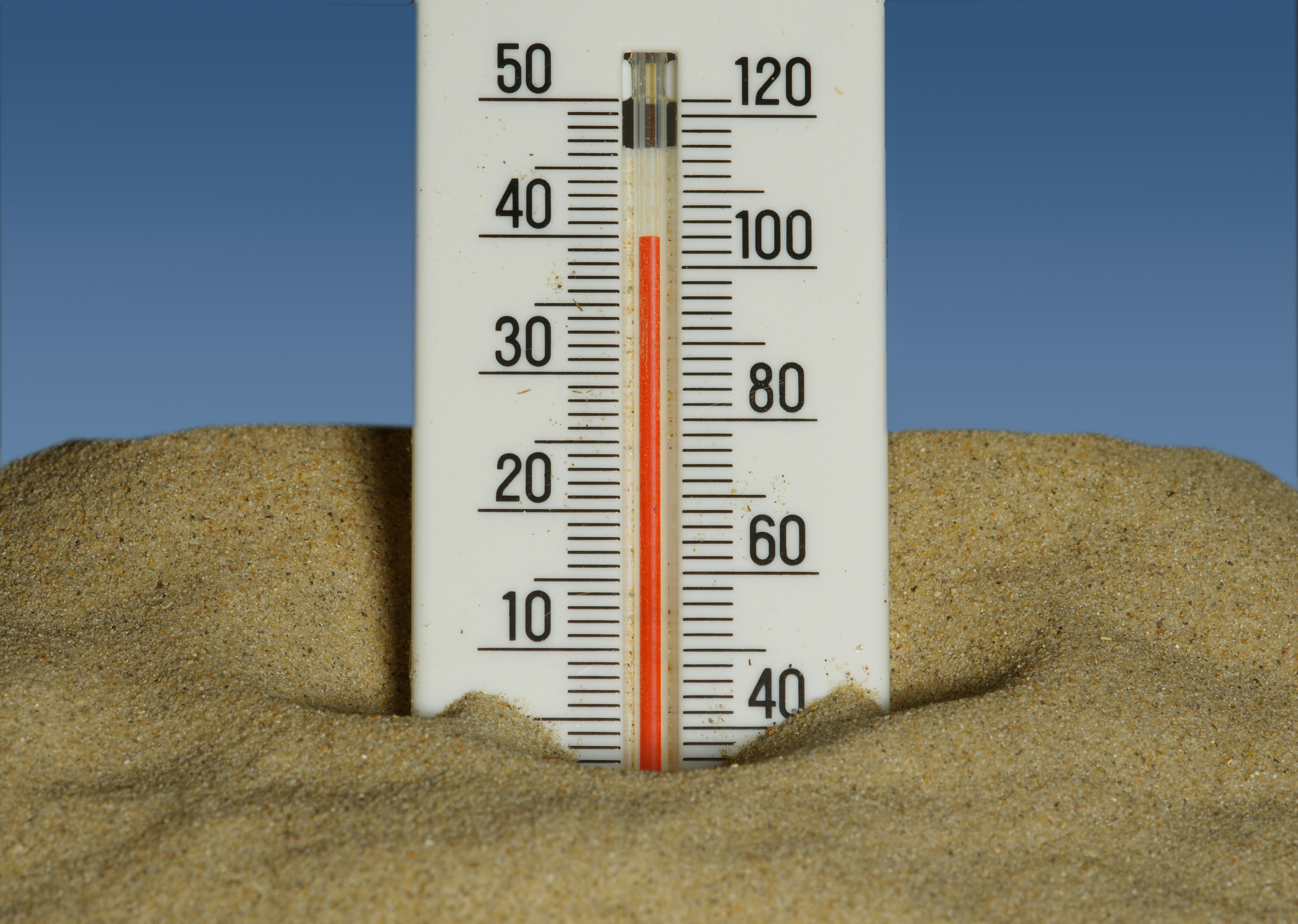
His research shows that in the warm season about 3.6 per cent of deaths are linked to extreme temperatures even when there is no heatwave. During heatwaves, this number goes up to nearly 19 per cent, showing how prolonged extreme heat can affect health.
Our bodies naturally operate within a limited temperature range, so when it gets too hot, we have to put in extra effort to stay cool. This places a strain on crucial systems like our cardiovascular and respiratory systems.
Results can vary from discomfort to exhaustion to even more severe health problems. Still, as experts say, a lot of the effects are less dramatic and often overlooked.
“Many people become mildly dehydrated over days or weeks without fully realising it,” says Ioannou. “This can lead to headaches, fatigue, dizziness, constipation and muscle cramps”.
She says the body uses several ways to stay cool, such as sweating and sending more blood to the skin’s surface. When it gets hotter, the heart must work harder to move blood, and too much sweating can cause dehydration and upset the balance of electrolytes.
This is even worse if the person suffers from some underlying health problems. Older adults, younger children, and those suffering from heart diseases, diabetes, lung disease, or respiratory illnesses are considered some of the most vulnerable during extreme temperatures.
One of the more hidden consequences of extreme heat is its impact on sleeping habits. Though public disclosure about heat tends to revolve around its impacts during the daytime, researchers are increasingly concerned about what occurs after dark. When temperatures remain high after sunset, the body does not have an opportunity to cool itself down.
“The human body needs cooler nighttime conditions to recover from the stress accumulated during the day,” says Kekkou. “When nights remain unusually warm, especially during prolonged heatwaves, sleep quality is often reduced.”
According to Ioannou, the impacts can spread fast into daily lives. “Heat can have a surprisingly significant impact on sleep, mood, and concentration,” she says. “When temperatures stay high overnight, the body struggles to cool itself properly, which affects sleep quality and leaves people feeling exhausted the next day.”
Lack of sleep and high temperatures can cause what many people call a state of brain fog, irritable mood and difficulty focusing. “Many people simply feel physically and mentally drained during prolonged heatwaves, even if they do not immediately recognise the heat as a cause,” Ioannou says.
Kekkou says although the impacts may not be as obvious as the number of hospitalisations and deaths, they nevertheless may have a considerable effect on quality of life, efficiency at work and general mental health. “There is growing evidence that poor sleep can affect concentration, mood, decision making and overall productivity the next day,” he says.
The problem is not going away anytime soon. Cyprus’ location in the Eastern Mediterranean puts it in a region scientists consider one of the world’s climate change hotspots. According to Kekkou, the region has been warming much faster than other areas of the world, creating even more difficulties when it comes to public health. Heatwaves and long summers, as well as increasing solar radiation, add to the existing problems. Kekkou’s research found statistically significant increases in both maximum and minimum temperatures in Cyprus over the past five decades. The greatest increase in maximum temperature reached 1.52 over the 1979-2019 period.
Climate change projections indicate that these trends will persist in the future. “Climate change is expected to intensify heat-related health impacts in Cyprus by increasing frequency, duration, and intensity of heatwaves,” says Kekkou.
Additionally, he stresses that it’s wrong to assume that people in warmer climates are immune to the effects of extreme temperatures. “One common misconception is that people living in warm countries such as Cyprus are fully adapted to heat and therefore less affected by it,” he says.





Click here to change your cookie preferences