
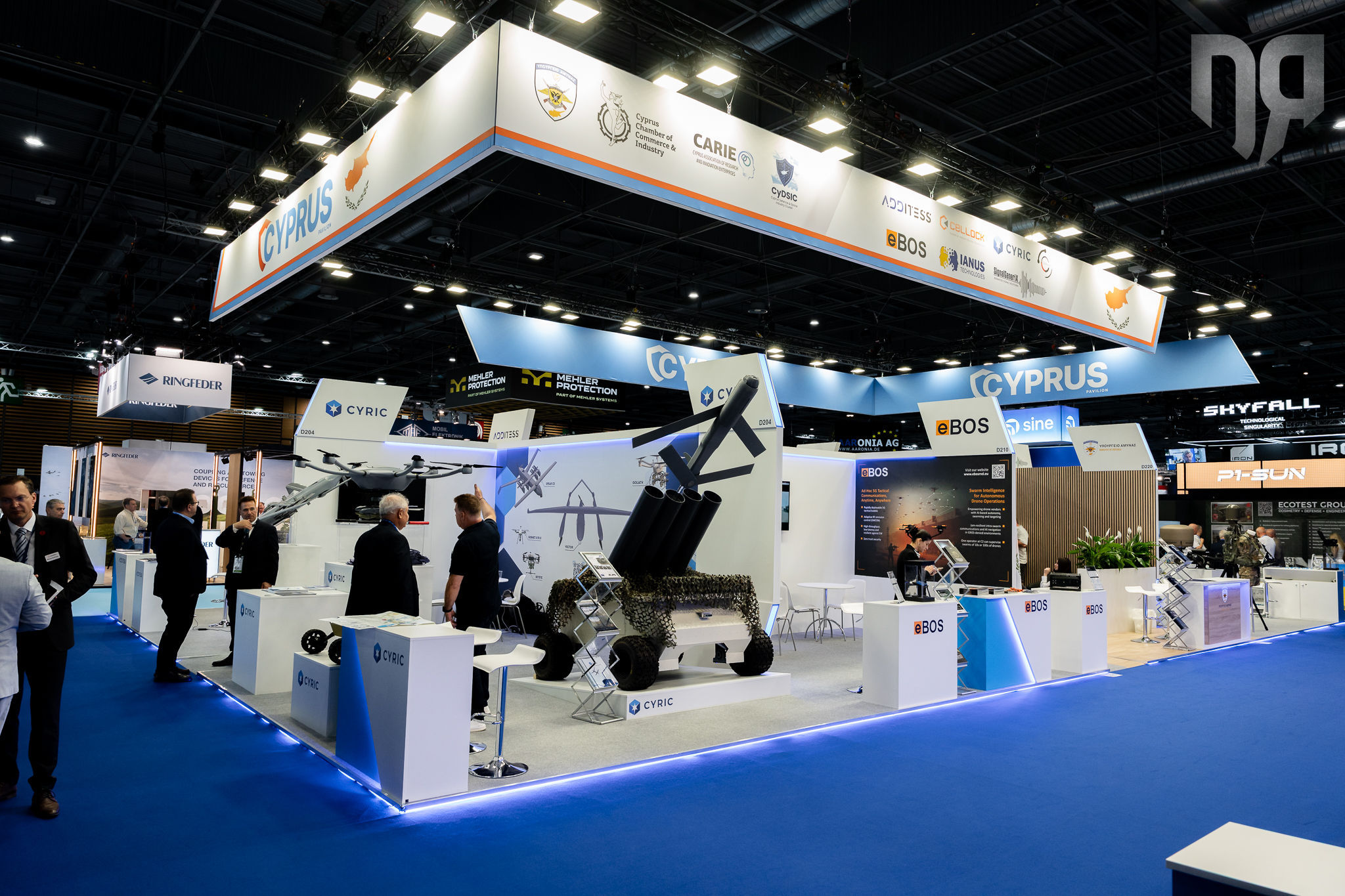
Cyprus’ presence at Eurosatory 2026 in Paris has emphasised the country’s growing effort to turn its defence industry from a small research-led sector into a more outward-looking part of the economy, officials said.
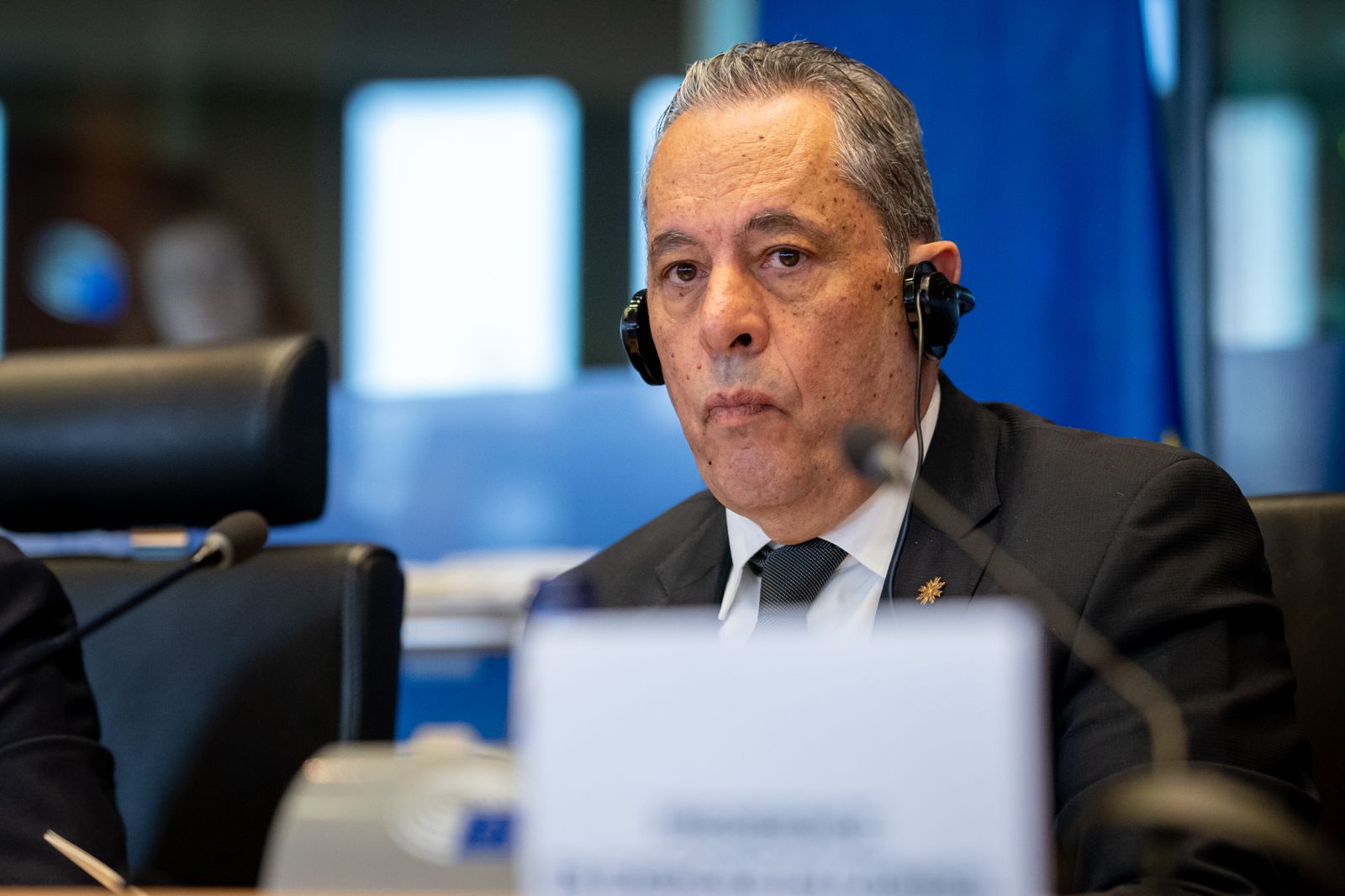
Speaking on CyBC’s daytime show ‘Apo Mera se Mera’, deputy secretary general of the Cyprus Chamber of Commerce and Industry (Keve) Andreas Andreou said Cypriot companies had presented defence and technology products that “have nothing to envy” from similar products abroad.
The exhibition, held in Paris last week, is one of the world’s largest defence and security events, bringing together companies, governments, armed forces and industry bodies from across the sector.
For Cyprus, however, this year’s participation carried wider significance. The island’s national pavilion brought together Cypriot companies active in defence, security, space, telecommunications, energy and related technologies, at a time when the government is seeking to strengthen the sector’s international reach.
Andreou said the participation was important for three reasons. Firstly, he said, Cypriot companies had made a strong impression with products that showed the sector’s progress. He also added to the close cooperation between the private sector, the Ministry of Defence, Keve and industry associations.
Thirdly, he said, the exhibition gave Cyprus the opportunity to sign two institutional memoranda of cooperation with foreign associations, one in France and one in the United Kingdom, covering defence, aerospace and related sectors.
These agreements, he added, could help Cyprus move “to the next level of cooperation and extroversion”.
The comments come as Cyprus is trying to build a more structured defence industry, moving beyond research projects and into products that can be tested, certified and sold abroad.
Andreou said the sector had changed significantly from its early days, when only a few companies were active around research, defence, space and security. Today, he said, the cluster includes around 30 to 35 companies, covering areas from energy and telecommunications to armaments.
He also said several foreign delegations visited the Cyprus pavilion in Paris and showed strong interest in Cypriot products.
However, he acknowledged that selling defence products remains difficult, mainly because the final buyers are usually states rather than private companies. This makes the support of the Ministry of Defence particularly important, especially when interstate agreements are needed.
Also speaking on CyBC, George Stavrou, head of the defence industry development department at the Ministry of Defence, said the ministry is trying to ensure that Cypriot companies are included in wider European defence programmes.
He said that when Cyprus works with other European countries on defence acquisitions or cooperation, it asks them to explore synergies with Cypriot companies that can contribute as subcontractors in larger systems.
This, he said, is intended to help local companies move from research and development into production, certification and commercial activity.
Stavrou added that the ministry is supporting companies through national missions, meetings with foreign partners, defence industry conferences and efforts to promote Cypriot products on a common platform.
He also said the government is working on a strategy and action plan for the sector, setting out where Cyprus wants its defence industry to be over the next five years.
A key part of that effort, he explained, is certification and standards. Cypriot companies must be able to meet the requirements of European and international markets, particularly because defence procurement is highly specialised and the number of potential buyers is limited.
“We start from the standards,” he said, adding that the ministry helps companies test their products either in Cyprus or abroad, depending on their stage of development.
For Andreou, the shift is already visible. What began as a small group of innovative companies has now developed into a wider industrial ecosystem, supported by the Ministry of Defence, European programmes and the growing need for cooperation in defence and security.
The challenge now, he suggested, is to turn that progress into exports, partnerships and a more permanent place for Cyprus in the European defence industry.


Click here to change your cookie preferences