
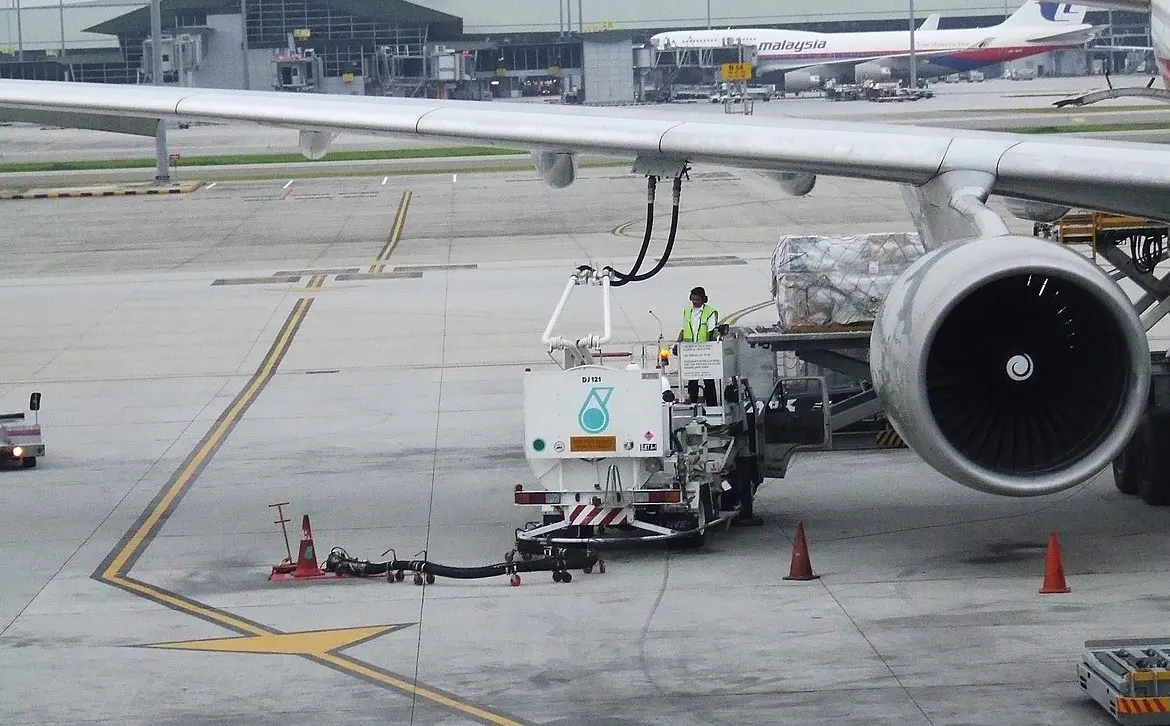
The International Air Transport Association (IATA) and the International Airlines Technical Pool (IATP) have agreed to cooperate in helping airlines improve their visibility of, and access to, aircraft parts, as supply chain problems continue to affect maintenance planning, fleet availability and costs.
The agreement comes as airlines face continuing pressure from shortages of serviceable materials, longer repair times and higher procurement costs across the aerospace supply chain. In this environment, access to available parts has become increasingly important, not only for day-to-day operations but also for airlines trying to avoid further disruption.
Stuart Fox, IATA’s Director, Flight and Technical Operations, said that “Supply chain constraints continue to create operational and financial pressure for airlines.
Addressing these challenges requires practical cooperation across the industry. By combining IATP’s technical pooling expertise with IATA’s technical expertise, we can help airlines access serviceable materials and strengthen maintenance resilience.”
The cooperation will bring together IATP’s long-established pooling model with IATA’s technical programmes and digital tools. Its first priority will be improving access to serviceable aircraft materials, with IATA supporting IATP’s technical materials pooling programmes, which allow airlines to share parts, equipment and maintenance capabilities.
This is expected to be complemented by IATA’s MRO SmartHub, which improves the visibility and valuation of available aircraft parts. By giving airlines a clearer picture of serviceable materials in the market, the platform is intended to support more efficient materials planning and procurement.
For IATP, the agreement also reflects the renewed importance of technical pooling at a time when supply chain disruption has made aircraft parts harder and more expensive to source.
Giorgio Pietra, IATP CEO, said that “For decades, IATP has enabled airlines to share critical technical resources through pooling. The validity of the IATP pool model is even more evident during the current critical situation. This cooperation with IATA recognises that pooling and digital materials visibility are complementary tools, helping airlines access the parts and support they need to maintain operations during supply chain disruption.”
The second area of cooperation will focus on technical, safety and quality standards. IATA and IATP are expected to increase the exchange of technical expertise and best practice in technical operations, safety and quality assurance, including through IATA programmes and guidance materials such as the IATA Operational Safety Audit Program (IOSA) and the IATA Safety Connect community channel.
In parallel, IATA will make the core features of MRO SmartHub available at no cost to airlines through a data participation programme. The initiative will initially be open to eligible airlines from participating associations, including IATA, IATP and ALTA, and may be expanded over time.
Fox said that “Improving visibility of available aircraft materials is essential to helping airlines manage today’s supply chain challenges. Broader access to MRO SmartHub will help airlines identify serviceable parts more efficiently, support better materials management, and complement existing industry pooling programs.”
Launched in 2019 and recently upgraded, MRO SmartHub provides deeper analytics on materials availability, usage patterns and parts shortages. It also helps airlines identify confirmed serviceable inventories from accredited suppliers, supporting more efficient materials planning and procurement workflows.
Greater use of the platform is also expected to make participation in IATP pooling programmes more effective, particularly for airlines seeking shared access to parts and support during periods of disruption.
IATP’s technical pooling model already enables airlines to share critical resources, including aircraft parts, equipment and maintenance services. Its network gives members access to more than 6,600 parts across 350 stations, line maintenance support at more than 900 locations, and worldwide aircraft recovery coverage.
Essam Hanafy, IATP Chairman and Custodian, said that “These capabilities help airlines maintain fleet availability, reduce costs, and maintain operational continuity in an increasingly challenging operating environment.”


Click here to change your cookie preferences