
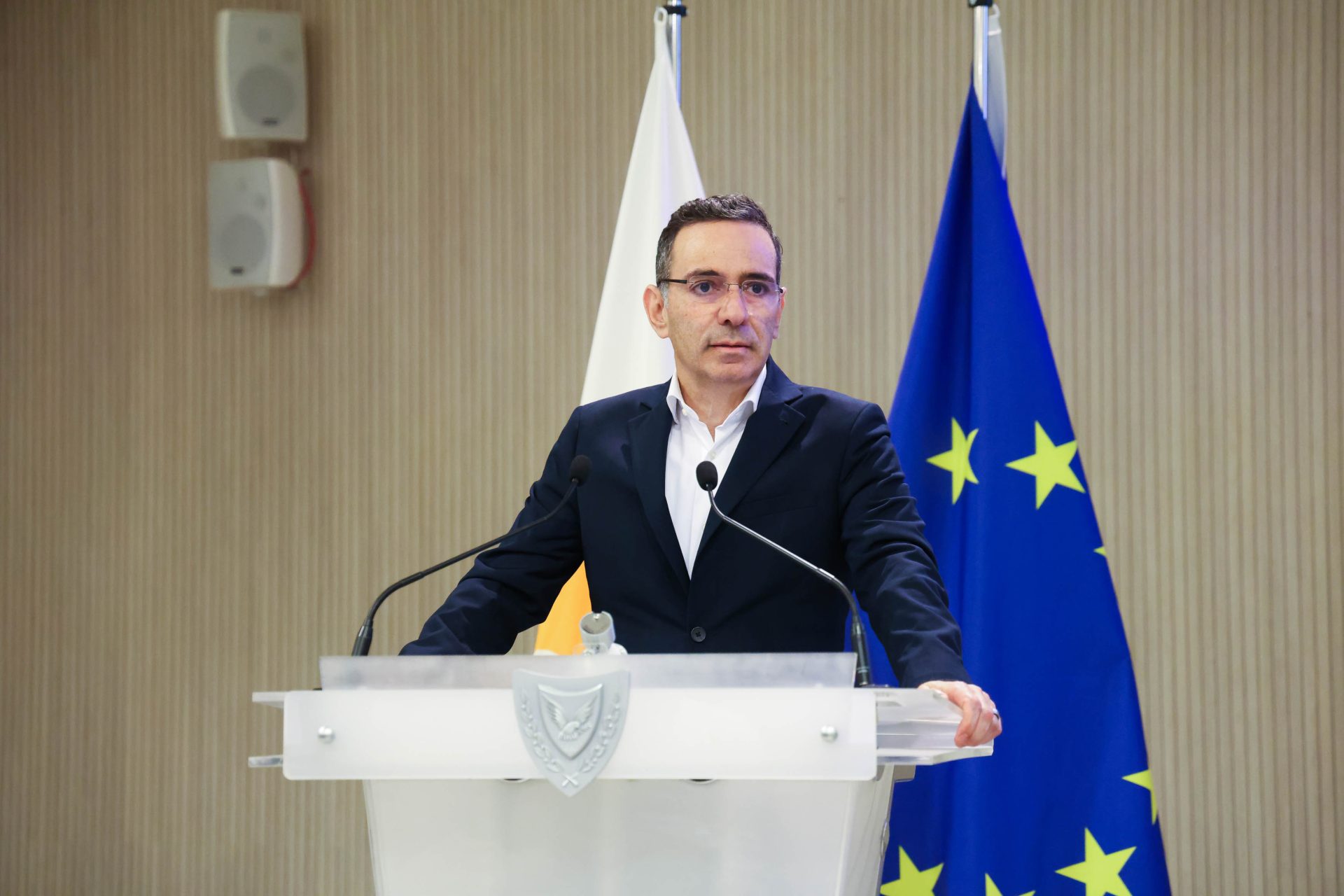
Artificial intelligence can write code, create images and suggest solutions, but it cannot dream or replace human judgement, Deputy Minister of Research, Innovation and Digital Policy Nicodemos Damianou told University of Cyprus (UCy) postgraduate graduates on Thursday.
Speaking at the university’s graduation ceremony, Damianou said the rise of AI is no longer a distant or theoretical issue, but one already affecting Cyprus’ economy, labour market, education system and ability to compete for investment and talent.
“The essential question remains the same and more important than ever: how do we ensure that technology serves humans and not the other way around?” he said.
Damianou referred to recent discussions at the G7, where heads of state met senior figures from major AI companies, including OpenAI, Google DeepMind and Anthropic.
He also cited OpenAI chief executive Sam Altman’s warning to governments not to hand over their responsibilities to AI companies, saying the real challenge is not simply to develop more powerful systems, but to ensure they serve people, democracy and society.
For Cyprus, he said, the implications are direct, “the country’s ability to prepare workers for a changing economy will determine whether it can participate meaningfully in the new technological environment.”
Citing World Economic Forum estimates, Damianou said around 39 per cent of workers’ existing skills are expected to change or become less relevant by 2030, while six in ten workers will need training or retraining within the next five years.
“These figures should not be a cause for concern,” he said, but a reminder that learning does not end with graduation.
He added that the traditional model of education, work and retirement is changing, with the real advantage now belonging to those who continue to learn “when others think they already know enough”.
Damianou said universities have a critical role in this shift, not only as places of knowledge production, but as institutions that shape how society thinks, innovates and responds to change.
He described the UCy as the country’s most important pillar of research, innovation and knowledge production, pointing to its research activity, international partnerships and contribution to high-level human capital.
He also referred to the university’s continued presence among the world’s top institutions in the QS World University Rankings 2027.
Turning to government policy, Damianou said the state is trying to build a more competitive, outward-looking and technology-driven economic model by linking research with the real economy, supporting responsible use of new technologies and strengthening entrepreneurship.
He also pointed to the Minds in Cyprus initiative, which aims to encourage Cypriot scientists and professionals abroad to return and contribute to the country’s development.
The aim, he said, is for young professionals to have a real choice to create value in Cyprus rather than feel they must leave to progress.
“When I chose as a young scientist to return to Cyprus, the conditions and opportunities that exist today did not exist,” he said.
Damianou said Cyprus has changed significantly in recent years, noting that the country recorded the highest growth rate in the EU in the first quarter of 2026, while the technology sector now accounts for around 15 to 16 per cent of GDP and is the fastest-growing part of the economy.
He also said Cyprus’ startup ecosystem has recorded the highest growth rate in Europe for the third consecutive year, with five times more startups than in 2020.
A few years ago, he added, Cyprus was not even part of such discussions on innovation and technology. Today, after the banking bail-in, the country can speak more seriously about its position as an emerging regional hub for innovation and technology.
However, Damianou told graduates that technology alone will not define their future.
Using the example of Michael Jordan, he said success is not determined by one failure or one missed opportunity, but by the ability to keep going when things are uncertain.
He concluded by saying that, no matter how fast AI develops, human character, judgement and values will remain the qualities that set people apart.
AI may increasingly produce work, Damianou added, but it cannot replace the human qualities needed to give that work meaning.




Click here to change your cookie preferences