
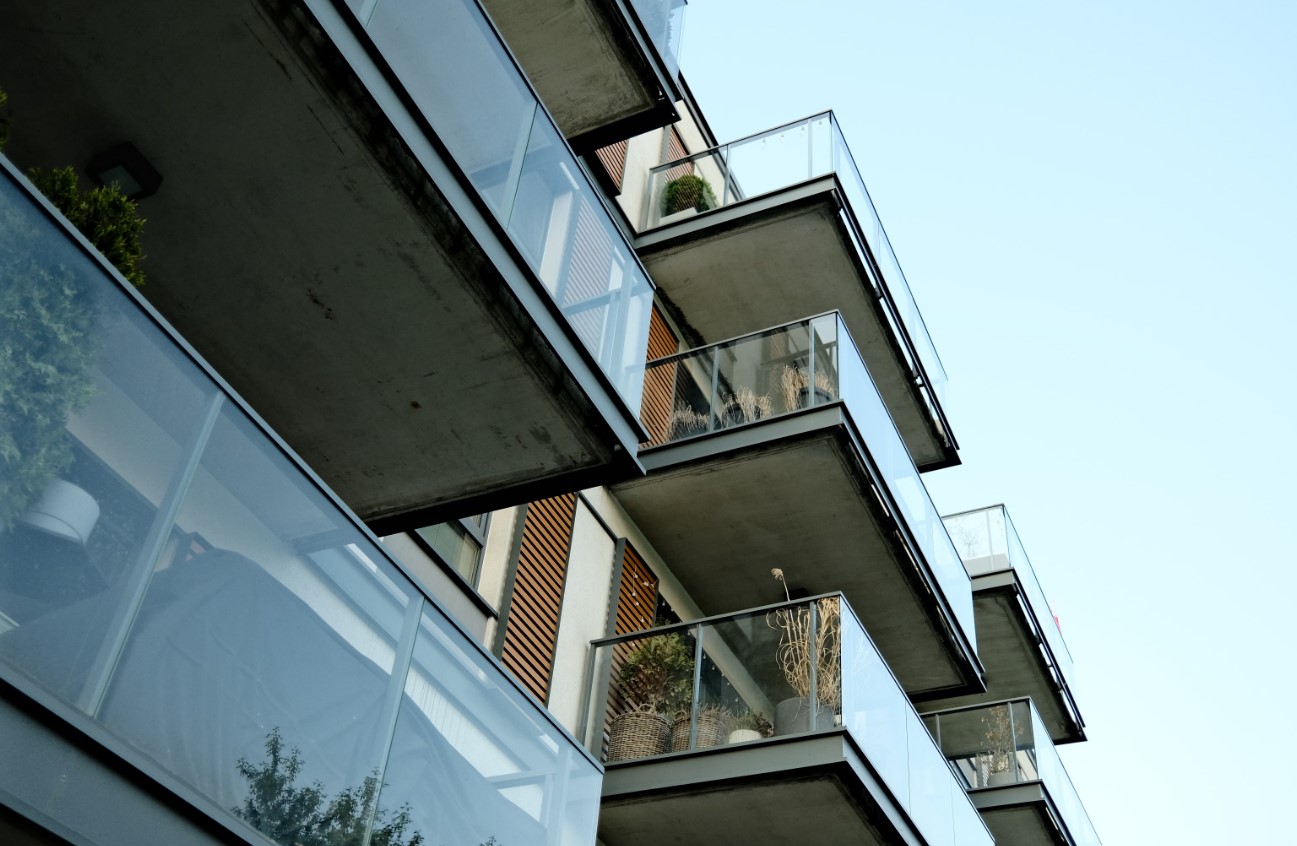
Planning and permitting delays can add around €60,000 to the average price of a new apartment in Cyprus, without increasing a developer’s profit by a single euro.
According to Yiannis Misirlis, chairman of the Cyprus Property Developers Association (CPDA), public debate over housing affordability usually centres on rising property prices, construction costs and interest rates, while far less attention is paid to one of the most significant cost drivers of all, which are delays in the planning and permitting process.
Although the issue is frequently dismissed as little more than bureaucracy, he explained that the financial consequences are substantial, measurable and, ultimately, borne by homebuyers.
To illustrate the impact, Misirlis presented what he described as a simple but entirely realistic example, based on assumptions widely used in real estate investment analysis.
His example concerns a medium-to-large residential development of 125 apartments in Cyprus, involving a land acquisition cost of €7 million and construction and development costs of €25 million. The total initial project cost would therefore stand at €32 million.
Misirlis compared two scenarios.
Under the first, the developer acquires the land, secures all necessary permits within six months and immediately begins construction, with the project completed two years later.
Under the second, the developer purchases the same site but must wait four years before construction can begin because of planning and permitting delays. The construction period itself remains unchanged at two years.
“At first glance, the only difference appears to be time,” Misirlis said. In reality, however, “the entire financial structure of the project changes”.
The first and most obvious impact, according to his analysis, is the cost of holding the land. With €7 million tied up for four years and no opportunity to generate a return, the developer incurs a very real financial cost.
Using what Misirlis described as a relatively conservative cost of capital of 6 per cent, the additional burden would amount to approximately €1.7m.
Meanwhile, he explained that a project awaiting approval does not simply remain idle. Developers continue to employ architects, engineers, planners, legal advisers and administrative staff to monitor, revise and progress permit applications.
Based on a conservative estimate of €200,000 per year, Misirlis calculated that four years of additional operational overheads would add another €800,000 to the cost of the development.
Construction inflation would further compound the problem.
Assuming average construction cost inflation of 4 per cent annually, and without taking into account extraordinary shocks such as wars or major supply-chain disruptions, Misirlis estimated that the original €25 million construction budget would increase by approximately €3.5m to €4m.
Before considering any investment return, the same development would therefore absorb around €6.3m in additional costs purely because of the permitting delay, according to his calculations.
This amount includes €1.7m in land holding costs, approximately €3.8m resulting from construction inflation and €800,000 in administrative expenses.
Misirlis stressed that even this figure remains relatively conservative, as it excludes higher financing costs, interest-rate fluctuations, energy price increases, legal challenges, additional banking expenses and changes in building regulations.
“In other words, it represents a relatively conservative estimate,” he noted.
The effect becomes even clearer when the final selling prices are calculated.
In the first scenario, Misirlis explained, a €32m project would require total sales of approximately €38.4m to achieve a commercially sustainable profit margin of 20 per cent.
Across 125 apartments, this would result in an average selling price of roughly €307,000 per unit.
However, under the second scenario, the total development cost would rise to approximately €38.3m solely because of the four-year permitting delay.
Maintaining exactly the same 20 per cent margin would require total sales of approximately €46 million, increasing the average apartment price to around €368,000.
“The developer’s profitability has not increased by a single euro,” Misirlis pointed out. Nevertheless, the average selling price would rise by approximately €60,000 per apartment, or almost 20 per cent, purely because of delays in the permitting process.
The implications, he added, extend well beyond a single residential development.
The longer it takes to complete one project, the fewer projects a developer can deliver over the course of a decade. Delays therefore not only increase the cost of each home but also reduce the overall supply of new housing entering the market.
According to Misirlis, this tightening of supply creates further upward pressure on prices.
Permitting delays should therefore not be viewed simply as an additional cost for developers, he argued, because those costs eventually translate into higher prices for people trying to buy a home.
This, Misirlis said, is perhaps the most important point often missing from discussions about housing policy.
Any meaningful conversation about affordable housing must address the efficiency of the planning and permitting system, he added. When approvals immobilise capital for years, increase development costs, constrain housing supply and create uncertainty, the resulting costs are ultimately transferred to households.
Extended approval periods also make housing supply significantly less responsive.
Misirlis explained that when the market cannot quickly increase the delivery of new homes, even modest increases in demand can produce disproportionately large increases in prices.
The speed of permitting, he said, is therefore not merely an administrative detail but a fundamental determinant of housing affordability.
Nor is the issue limited to developers. Greater uncertainty over project delivery discourages investment, reduces housing supply and weakens economic competitiveness, according to Misirlis.
However, he made clear that accelerating planning approvals should not mean lowering standards or compromising environmental protection. Instead, it should mean making existing procedures faster, more predictable and more efficient.
“No responsible developer is asking for fewer checks,” Misirlis said, adding that developers are asking for “the same checks to be completed within reasonable and predictable timeframes”.
The debate, he argued, should therefore move beyond whether delays exist and focus instead on the real economic cost they impose.
Ultimately, Misirlis said, the issue is not about developers, but about whether young people can afford to buy their first home, whether families can access reasonably priced housing and whether Cyprus can continue attracting the productive investment needed to support long-term economic growth and social cohesion.
Improving the efficiency of the permitting system, he concluded, should therefore not be viewed simply as a pro-business reform, but as a pro-society reform.




Click here to change your cookie preferences