

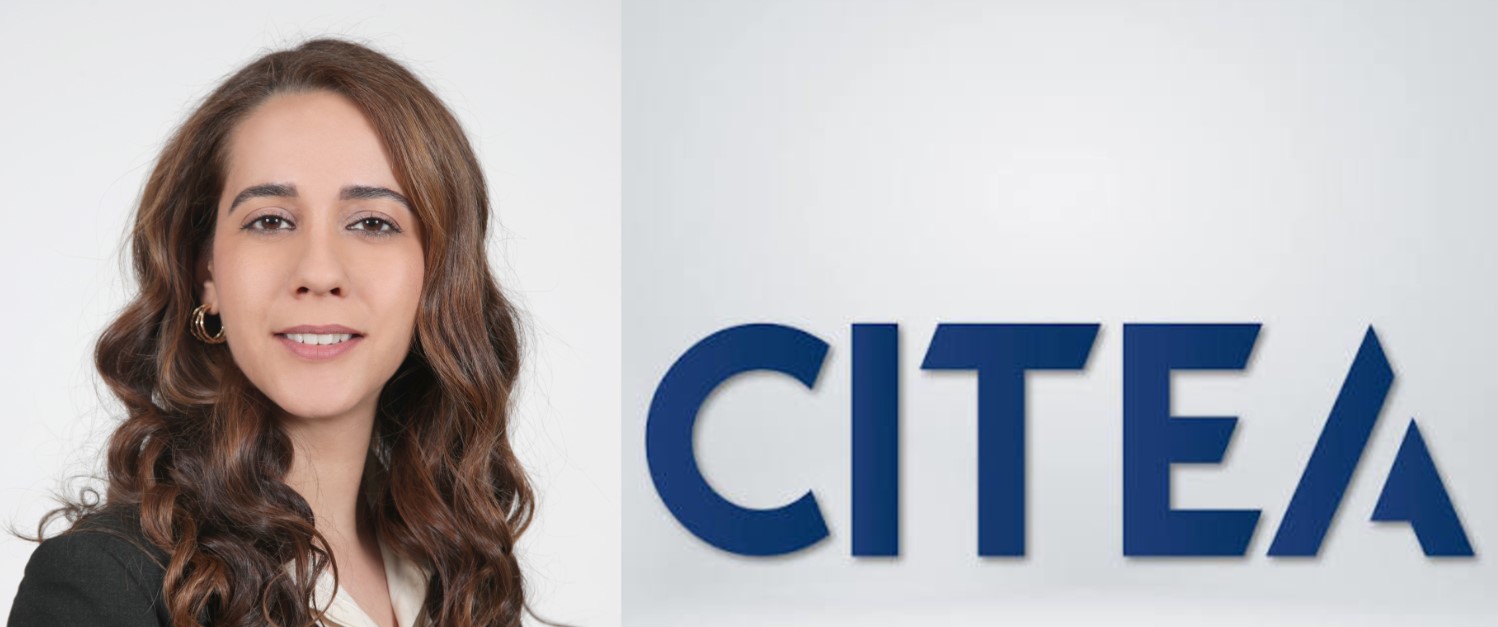
Artificial intelligence is no longer a technological trend observed from a distance, but a reality already transforming the way people work, do business, create and make decisions, according to Matina Zisiadou, director of the Cyprus Information Technology Enterprises Association (CITEA).
Reflecting on the recent CITEA Digital Cyprus Conference, Zisiadou said discussions involving representatives from the technology community, the business sector and government had made one message clear: “the conversation around artificial intelligence is no longer about whether it will influence our future, but about how we choose to actively shape that future”.
The conference explored both “the significant opportunities created by artificial intelligence” and “the challenges that accompany its rapid development”, she said, pointing to its potential to “enhance business productivity, improve services, unlock new entrepreneurial opportunities, and open new pathways for innovation that until recently seemed beyond reach”.
However, Zisiadou stressed that technology alone would not be enough. For the potential of artificial intelligence to translate into meaningful value, she said, Cyprus needed “people with the right knowledge and skills, businesses that are willing to adapt and experiment, and an ecosystem that supports responsible innovation”.
This was because artificial intelligence was “not only about algorithms and data”, she explained, but also about people. More specifically, it was about “the employee who needs to develop new skills, the business that must rethink the way it operates, and the next generation that will create and work in an environment where collaboration between humans and technology becomes an integral part of everyday life”.
That human dimension, Zisiadou said, would determine whether the opportunities created by AI could be translated into meaningful value. It required employees to develop new skills, businesses to adapt and experiment, and an ecosystem capable of supporting innovation responsibly.
At the same time, she said Europe was facing a critical challenge. On the one hand, it had to ensure that the development of artificial intelligence took place “responsibly, with transparency and respect for society”. On the contrary, it had to preserve its ability to innovate and compete in a global technological landscape where major players, including the US and China, were “investing at an exceptional pace in emerging technologies”.
The question facing Europe, Zisiadou said, was whether “the need for regulation” would become a barrier to innovation or whether the continent would succeed in creating a model in which “technological progress and responsibility can coexist”.
For Zisiadou, however, the answer could not be fear, but required “knowledge, preparation, and action”. Within that broader European conversation, she added, Cyprus could play a meaningful role.
Artificial intelligence represented “a significant opportunity” for the country, she said, noting that Cyprus had “a dynamic technology ecosystem, talented people, and businesses that can leverage these new capabilities”.
Nevertheless, making the most of that opportunity would require continued investment in “digital skills, education, and in creating an environment where innovation can grow and thrive”, she added.
Zisiadou said CITEA believed its role was to contribute actively to that effort by building “bridges between the technology community, businesses, government, and society”.
The association also aimed to strengthen “dialogue, collaboration, and knowledge-sharing”, she said, while helping to ensure that Cyprus participates meaningfully in the new digital era.
Ultimately, Zisiadou said artificial intelligence would change the world, leaving people, businesses and governments to decide whether they would simply observe that transformation or help shape it.
“The question is no longer whether this will happen, but whether we will be the ones shaping that change,” she said, adding that the true value of technology did not lie only in its capabilities, “but in the choices we make about how we use it”, a responsibility she said belonged to everyone.



Click here to change your cookie preferences