
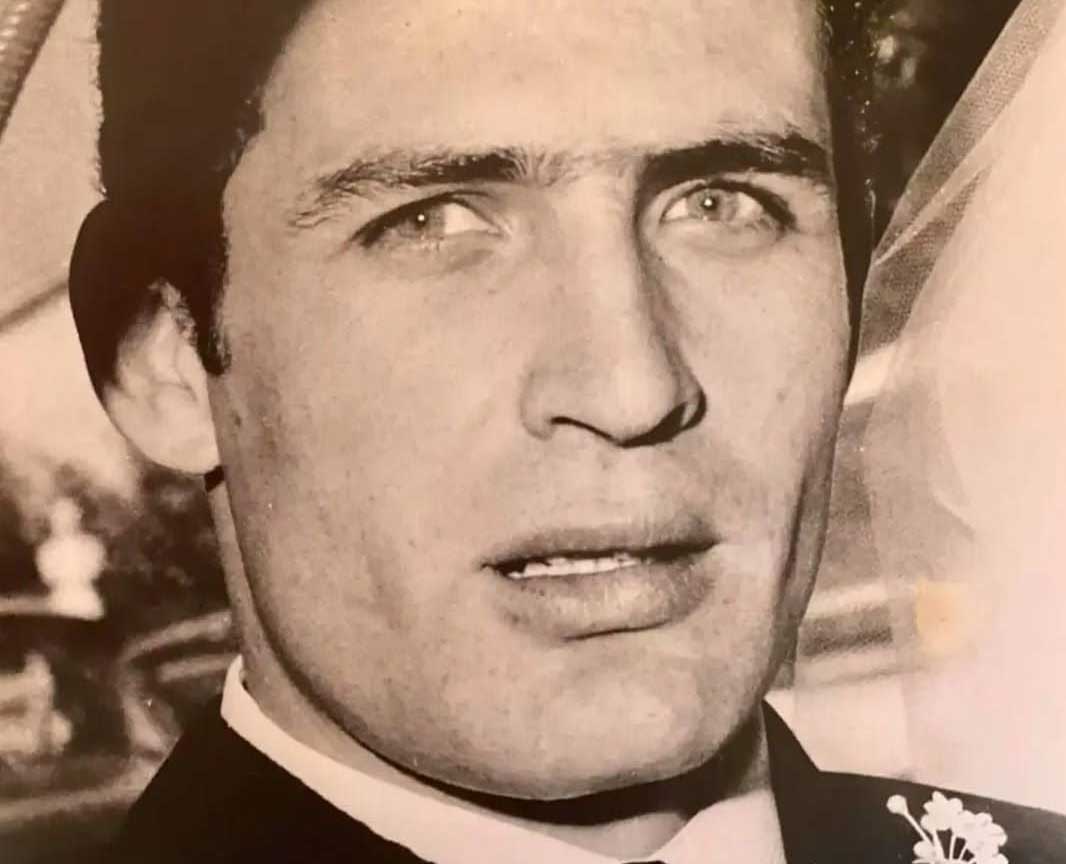
The daughter of a man missing since the Turkish invasion of 1974 has renewed calls for legal reform after describing what she says is a prolonged bureaucratic struggle to settle her late mother’s estate.
Alkistis Varnava, whose father Varnavas Varnava disappeared during the invasion, said she had been forced to apply for him to be legally declared a missing person after her mother’s death in order to proceed with inheritance matters.
Speaking to Politis radio, Varnava said the family believes her father is buried near the Praxandros stadium in Kyrenia, now within a Turkish military zone, making exhumation efforts extremely difficult.
She said she decided to begin legal proceedings after discovering that, under existing legislation, her father was still considered an heir to her mother’s estate.
“When I found out, I was really shocked,” she said, explaining that as her parents’ only child she “had no other choice” if the inheritance process was to move forward.
Varnava criticised legislation introduced in 2003, arguing that it treats those missing since the 1974 invasion in the same way as any other missing person.
She said the requirement places an unnecessary burden on families already living with decades of trauma.
“It is not easy to declare a person who fought and sacrificed for his homeland missing,” she said.
“I find it deeply offensive to declare a person missing since 1974 due to the Turkish invasion.”
Although she later obtained a court order recognising her as her mother’s sole heir, Varnava said the process has continued to face delays.
According to her, the land registry requested further legal opinions before proceeding, with the file transferred between the Paphos land registry, its central offices in Nicosia and the legal service in Limassol.
“Basically, the file is transferred from agency to agency, until someone decides whether I am indeed my mother’s sole heir,” she said.
Varnava said the case has remained unresolved for around two months, adding that neither she nor her legal representatives received formal updates as the file moved between departments.
“The worst thing is that there was no official notification to me,” she said, explaining that repeated telephone calls were needed simply to establish where the file had been sent.
She argued that the missing of 1974 should be covered by dedicated legislation reflecting the circumstances of their disappearance rather than being treated under the same legal provisions as other missing persons.
Varnava said she was not seeking preferential treatment but “a special arrangement” that recognises the unique circumstances faced by families who continue to search for answers while navigating administrative procedures.


Click here to change your cookie preferences