
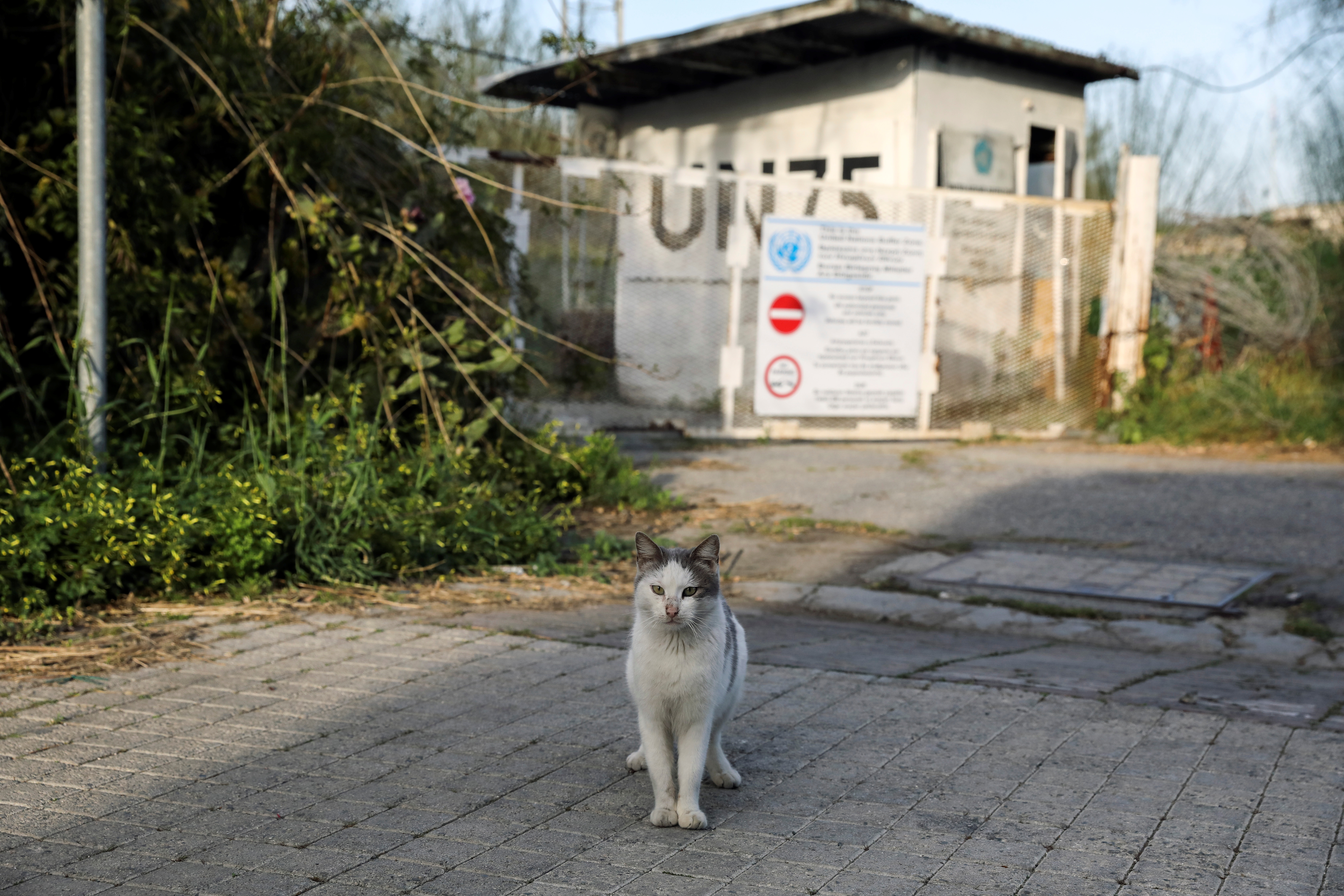
The buffer zone that traverses the island’s divide has developed into an unexpected area of biodiversity, with nature expanding in areas where human activity has been limited for decades.
Speaking to the Cyprus News Agency on Saturday, Professor Costas Constantinou said the area had become an ecological space where wildlife and plant species had increased due to reduced human interference.
“Ironically and as an unintended consequence of the creation of the buffer zone, there is an ecological benefit and revitalisation of nature in areas from which people were forcibly displaced,” he said.
The professor said the area, which is monitored by UN peacekeepers, is not entirely empty, with villages, agricultural activity, livestock units, solar parks and meeting points for Greek Cypriot and Turkish Cypriot groups existing within it.
Research conducted by Constantinou and Dr Evi Eftychiou found that reduced human activity allowed species facing decline to recover.
Biodiversity surveys recorded increased populations of animals including hares, endemic mice, birds, lizards, hedgehogs, turtles and other wildlife.
Constantinou drew particular attention to the Famagusta wetlands surrounding Varosha, where reed beds and natural habitats remain protected compared with developed areas nearby.
The buffer zone has admittedly created challenges, with the research identifying risks from packs of wild dogs, which have become major predators and can attacks people and livestock, as well as disease transmission.
The professor said the area also supports forms of cooperation between both communities, including shared agricultural practices and grazing.
He said such activities reflected local relationships that continued despite the island’s partition.
“Ordinary people, amidst violent separation, find things that unite them, common interests, and generally create relationships of coexistence,” he said.
However, Constantinou warned that the situation should not be idealised, pointing to problems including illegal trafficking and the movement of animals carrying diseases.
He said some issues could be addressed through cooperation between bicommunal committees and UNFICYP.
Constantinou said any future return of human settlement would require careful planning, warning that uncontrolled development could damage ecosystems that have formed over decades.
He said the ecological value of the buffer zone could be preserved through the careful return of displaced residents under strict environmental standards.
“If the literature on successful ecological parks internationally teaches us anything, it is how important the inclusion of local society in ecological protection is,” he said.
He added that protecting the area required balancing environmental considerations with the needs of communities affected by displacement.


Click here to change your cookie preferences