
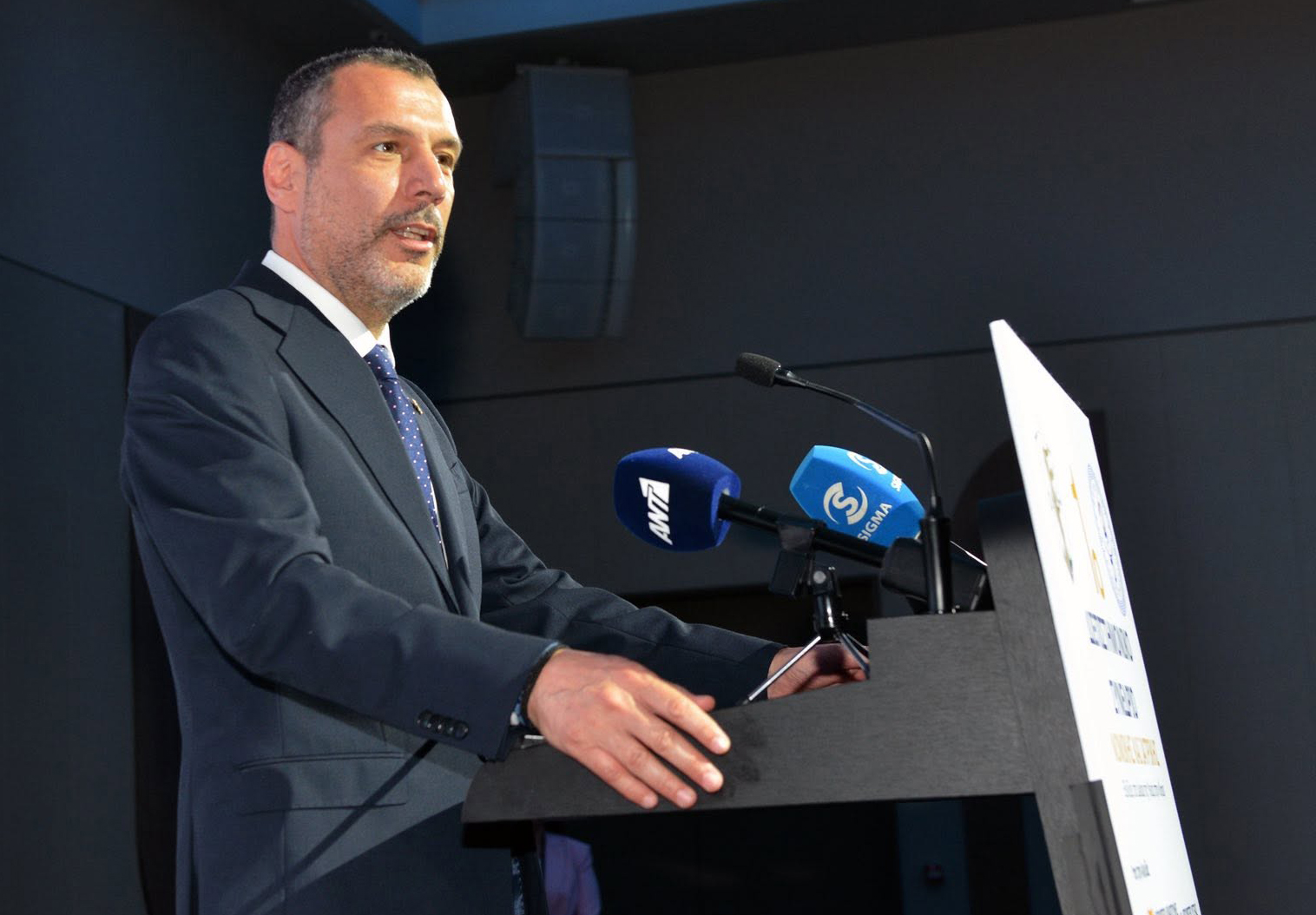
The cabinet on Thursday approved a new annual grant scheme for undergraduate nursing and midwifery students, with Health Minister Neophytos Charalambides describing it as “a particularly important step towards addressing “perhaps the most pressing issue in the country’s health sector”; the shortage of nursing staff.
Speaking after the cabinet meeting, Charalambides said the scheme would take effect from the 2026-27 academic year and would be available to both new and existing students.
“Our aim is to provide meaningful incentives for young people to choose nursing and midwifery as their professional path, contributing to ensuring adequate staffing of healthcare structures,” he said.
The grant will be paid on a sliding scale, with students receiving €1,000 in their first year, €1,250 in their second year, €1,500 in their third year and €2,000 in their fourth year.
“Any student who is a permanent resident of the Republic of Cyprus and is enrolled in a recognised programme of study at a higher education institution in Cyprus, regardless of year of study or financial circumstances, may receive the grant,” he said.
Recipients will also be required to work for two years in healthcare institutions in Cyprus after completing their studies.
“The decision taken today is not an isolated intervention, but forms part of a comprehensive plan being implemented by the health ministry to address the shortage of nursing staff,” he said.
The minister pointed to measures already under way, including awareness campaigns for final-year secondary school students and a targeted communications campaign, now in its third consecutive year, aimed at promoting nursing as a profession.
“According to the available data, the campaign has succeeded in doubling the number of undergraduate nursing students over the past two years,” he said.
Charalambides also said the government remained committed “to taking and implementing meaningful initiatives aimed at strengthening the work of healthcare professionals and ensuring a stronger and more resilient healthcare system for the future.”
He also referred to scholarships offered by private hospitals in return for post-graduation employment, a fast-track training programme for healthcare assistants to undertake duties that do not require nursing qualifications, and legislative amendments currently before parliament.
Meanwhile, the Cyprus Federation of Patient Associations (Osak) welcomed the introduction of the grant scheme, describing it as “a positive initiative” towards strengthening the healthcare workforce.
The federation said the shortage of nurses was affecting all healthcare providers and had delayed the implementation of important legislation, including measures relating to community nursing, palliative care, rehabilitation and recovery centres.
It warned that rehabilitation and recovery centres would be unable to obtain licences or begin operating under the national healthcare system(Gesy)unless they met the legal staffing requirements for nurses.
“As a result, the unavailability of nurses renders this legislation ineffective, affecting the services available to patients,” the federation said, adding that the new grant scheme should be viewed as a first step rather than a final solution.
Osak also urged young people to consider nursing as a career and called on both employers and the state to improve working conditions and introduce measures that help nurses balance their professional and family responsibilities.
Such measures, it said, are necessary to support “a profession that constitutes a pillar of the services provided to the Cypriot patient.”





Click here to change your cookie preferences