
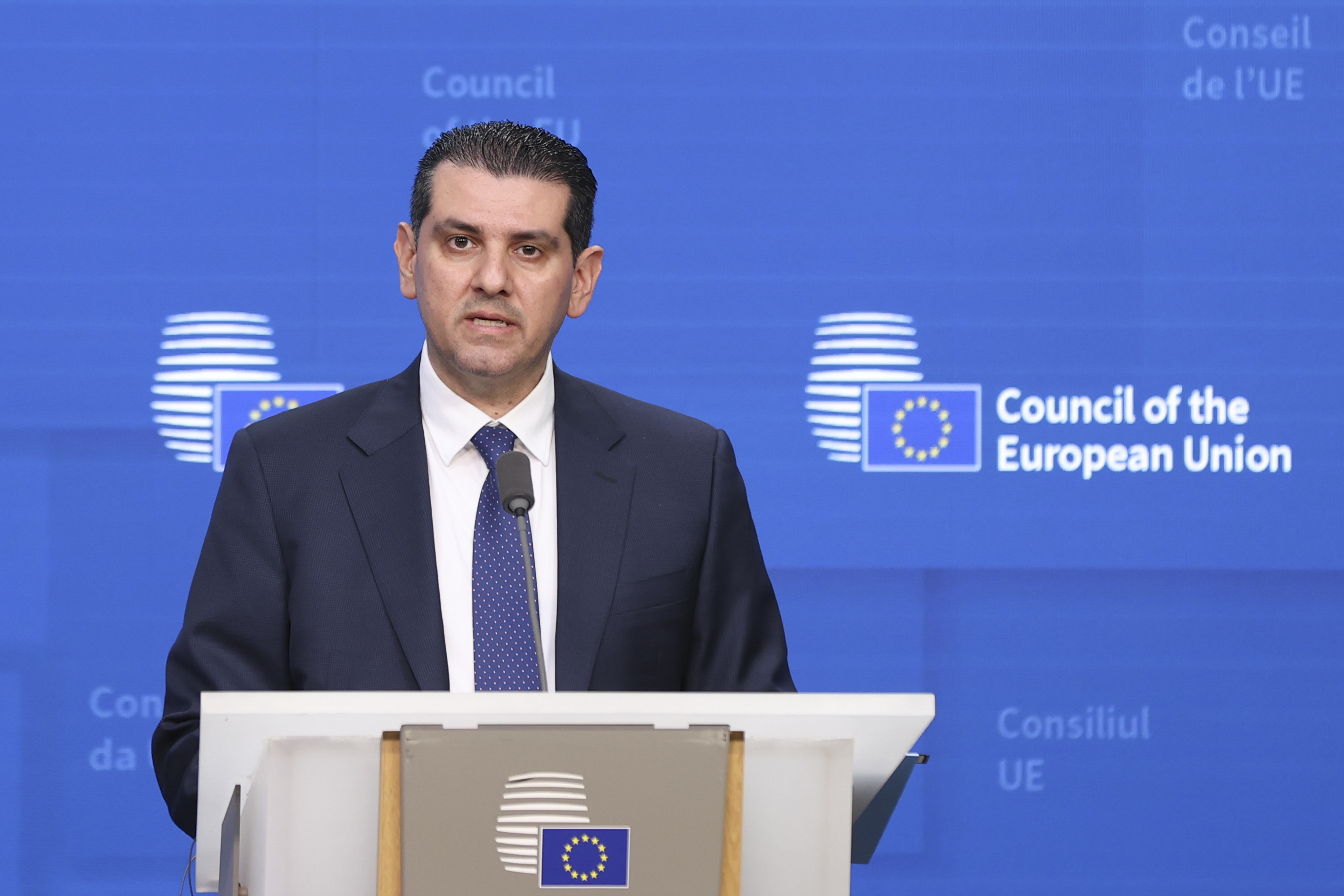
Both the European Commission and former energy minister George Papanastasiou found themselves at odds with incumbent Energy Minister Michael Damianos on Friday over Damianos’ claim that the planned Great Sea Interconnector project may increase consumer energy prices.
Damianos had told CyBC radio that “the implementation of the electrical interconnection between Cyprus and Crete will mean significant electricity for Cyprus, but this does not necessarily mean that the price of electricity will also decrease – it may increase”.
In response, a European Commission spokesperson told the Cyprus Mail that “boosting electricity interconnections helps bring down energy prices by allowing the integration of more renewables in the system”.
“Better and improved interconnectivity is essential in the EU – to bring down energy prices for our citizens and industry, and to secure our independence,” the spokesperson said.
Damianos’ predecessor George Papanastasiou was largely of the same view, telling the Cyprus Mail that “when a small market is opened to competition, you want to have access to as many different sources as possible so as to increase that competition”.
“With a competitive market, the more energy sources and energy providers which exist inside that market, whether they be domestic providers or able to provide energy from further afield via an interconnection cable, the more competition there will be, which will incentivise those providers to offer lower prices to consumers,” he said.
As such, he said, “logic itself does not agree with Damianos’ statements”, as “the introduction of more competition can do nothing but bring prices down”.
He added that during his own tenure as minister, all the studies he saw suggested that consumer prices would be reduced as a result of the interconnector’s construction.
“I do not know where Damianos’ statement comes from exactly, and it is likely unsubstantiated,” he added.
In addition to his comment on electricity prices, Damianos had said that the government’s decision regarding whether the Republic of Cyprus will join the project as a shareholder “will depend on what the due diligence study being conducted by the European Investment Bank will demonstrate”.
On this front, he warned that “one million Cypriot consumers will be asked to pay for 63 per cent of the construction costs, while in Greece, 10 million consumers will pay for the rest of the project”.
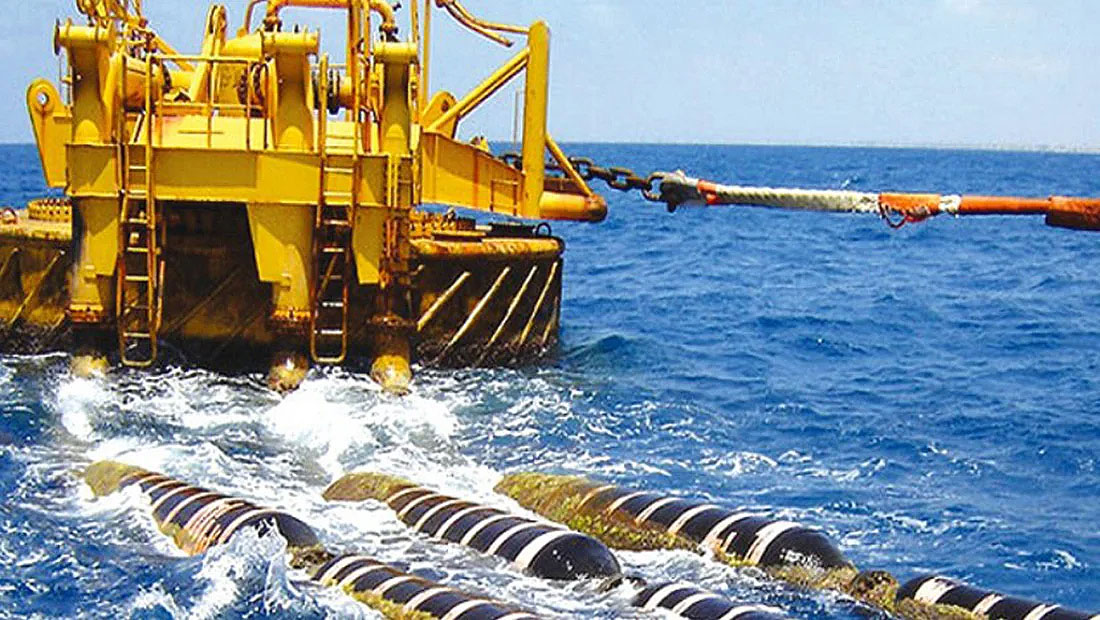
The governments of Cyprus and Greece had in April jointly penned a letter to the European Investment Bank to request a new diligence study for the project, with a view to possibly requesting funding for the project’s completion may be provided by the Luxembourg-based bank in due course.
That study has not yet been completed.
Damianos’ comments come two days after French asset management firm Meridiam took a majority share in the interconnector project, which, if completed, will link the energy grids of Cyprus, Greece and Israel.
Meridiam took a controlling share in the project from Greece’s independent transmission system operator (Admie), with Papanastasiou saying on Wednesday that the buyout will “of course help” the project’s future.
“It is very good news. This is a fund which is viable joining a project which was looking for financiers,” he told the Cyprus Mail.
On Thursday, Greek Energy Minister Stavros Papastavrou said that Meridiam’s buy-in constitutes an “important development” which “creates new, strong momentum for the acceleration and implementation” of the project.
“Essentially, Admie is joining forces with a very large French investment group, which built the subsea electrical interconnection between the United Kingdom and Germany. So, it has built a similar project, worth €2.8 billion, of similar technical difficulty,” he said.
He went on to say that “electrical interconnections are essential for the energy security of Europe, and especially the eastern Mediterranean”, and that as such, “we are moving forward with decisive steps, so that the electrical inter connection of Greece, Cyprus, and Israel can be completed”.
On this front, the European Commission spokesperson told the Cyprus Mail on Friday that the interconnector project is “of the highest strategic importance for the EU”, and that “we are fully committed to it”.
They added that the project is “key to bringing an end to Cyprus’ energy isolation”.
Progress on the interconnector has been slow thus far, with the most recent development being the joint letter to the European Investment Bank.
Previously, the governments of Greece and Cyprus had announced in November last year that the “economic and technical parameters” of the project would be “updated” with a view to attracting more investors to the project.
Meanwhile, French cable manufacturer Nexans had announced in March that an undersea trial of the type of cable to be used to form the interconnector had been completed successfully.




Click here to change your cookie preferences