
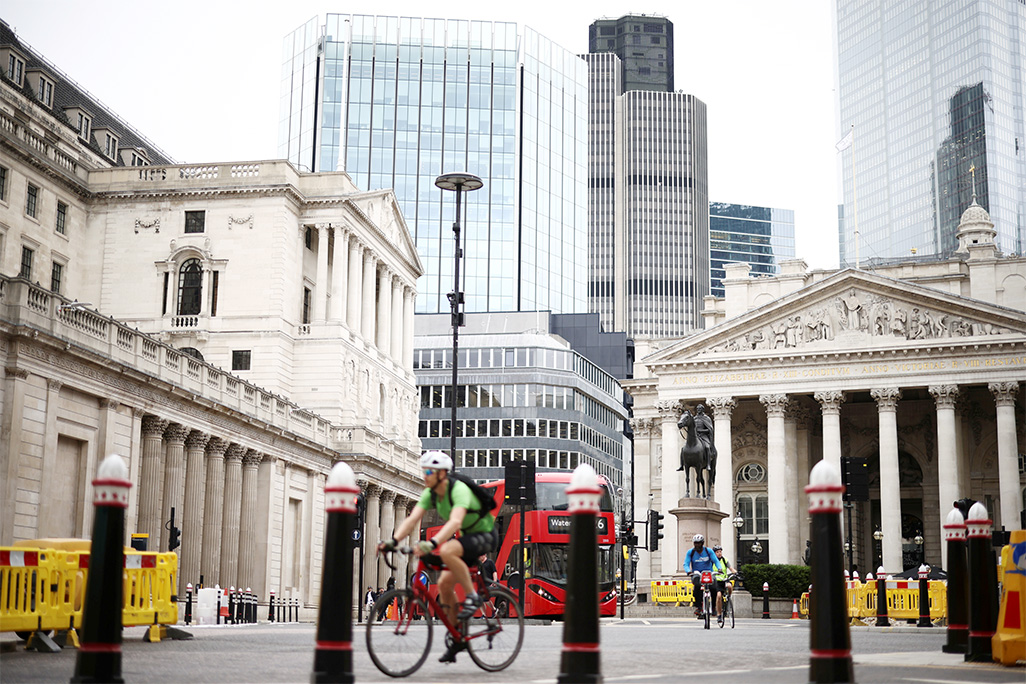
The Bank of England held its key interest rate at 3.75 per cent on Thursday, but signalled a more cautious approach to monetary policy as higher energy prices push inflation higher.
The central bank’s next rate-setting meeting is scheduled for November 5, with Barclays expecting a 25-basis-point increase as the continuing Middle East conflict raises the risk of more persistent inflation.
UK inflation reached 3.1 per cent in August, above the Bank of England’s 2 per cent target, with energy costs a key source of pressure.
The central bank warned that inflation could exceed 4 per cent in early 2027 if energy prices remain elevated, as higher costs gradually feed through to household bills, transport and product prices.
Barclays analysts led by Jack Meaning also saw scope for another quarter-point increase in February 2027 if the Middle East conflict continues.
The bank’s decision came alongside a significant change to its balance-sheet reduction programme, with active sales of government bonds frozen for six months and sales of longer-term bonds halted following heavy pressure on the UK bond market.
Bank of England governor Andrew Bailey said the impact of the energy crisis on overall inflation had so far remained relatively limited, but warned that the longer high energy prices persisted, the greater the risk of more lasting inflationary pressures.
“If the conflict in the Middle East is prolonged and the risk of second-round effects on prices and wages increases, monetary policy may need to become tighter,” Bailey said.
Barclays’ expectations are broadly aligned with those of JPMorgan, which also forecasts rate increases in November 2026 and February 2027.
JPMorgan had previously expected one increase in November followed by two cuts in 2027.
Markets were pricing in a 63 per cent probability of a November rate increase, with another increase expected in December, according to LSEG data.





Click here to change your cookie preferences