
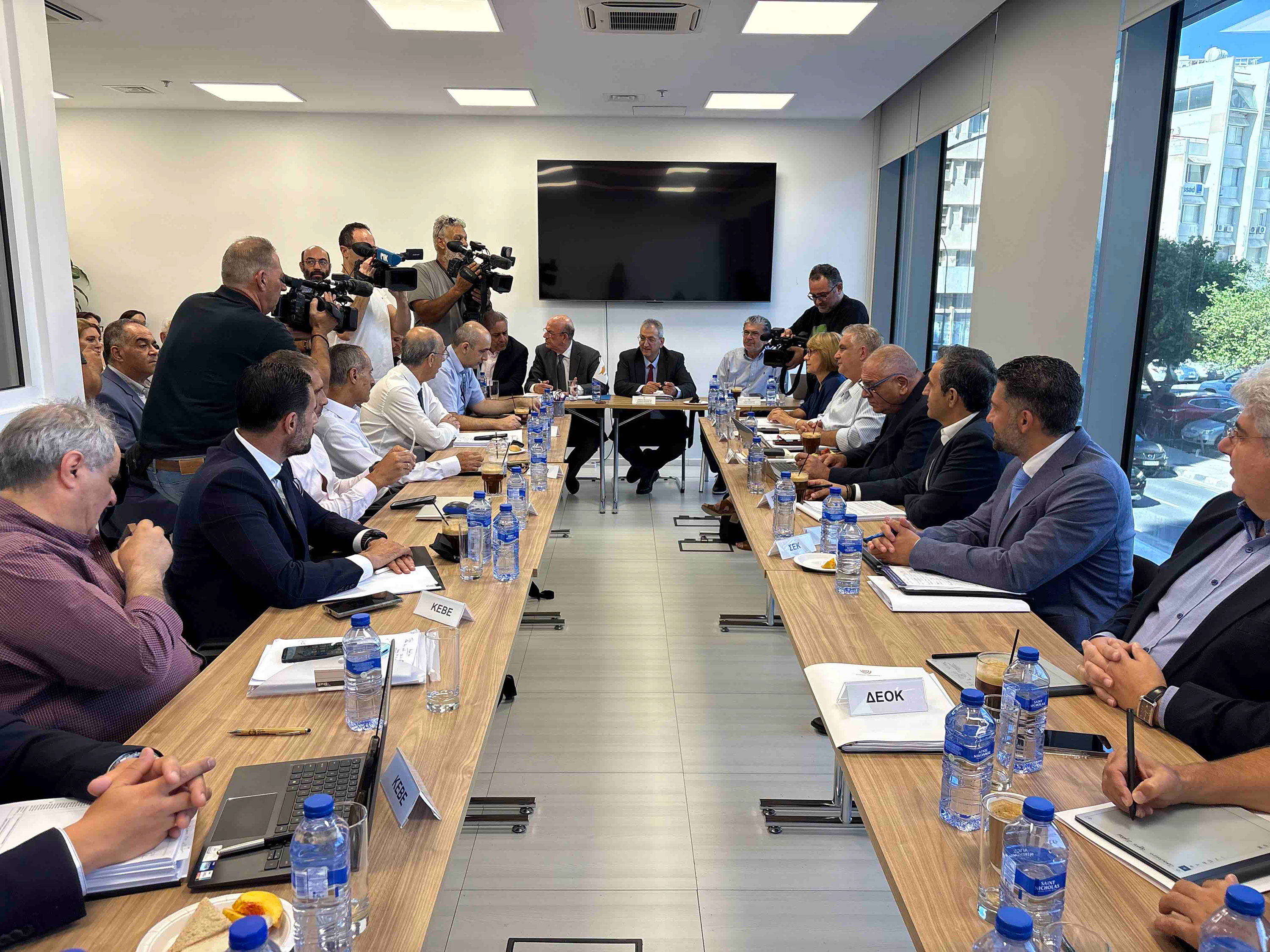
The pension reform bill is to be submitted to the House by the end of month, Labour Minister Marinos Mousiouttas assured on Monday.
Addressing the labour advisory board, Mousiouttas affirmed “we are trying to do the best we can” and urged them to use the coming three sessions to resolve outstanding questions before the detailed discussion begins.
He said the philosophy behind the reform had been known for two years, referring to proposals presented in earlier sessions with technical committees.
“We have given everything we could give so far”, he said.
“You have our suggestions. The time has come for you to tell us now what your own suggestions are.”
On the second pillar of the reform, Mousiouttas said he believed progress could be made soon, while the first pillar remain under detailed discussion.
He said the government was prepared to maintain dialogue “every day” to resolve outstanding issues, though he stressed that parliament would have the final say once the bill is submitted.
The fiscal cost of the overhaul will be “considerably more” than €50 million a year, Mousiouttas said earlier this week.
He said the January 1 target for implementation remained unchanged.
Under the proposals, around 123,000 retirees are to see their pensions rise.
More than 50,000 people would receive an increase of over €100 a month, and more than 8,000 would gain €200 a month, phased in over five years.
The basic pension would be calculated according to the total period a person is registered and insured, rather than through existing formulas, with state subsidised contributions counted alongside a person’s own.
The retirement age will remain at 65, with an option to continue working until 67.
The penalty for early retirement will fall from 12 per cent to around 7.5 per cent rather than being scrapped.
Every pensioner on an income up to €600 a month is guaranteed a minimum increase of €30 a month.
Trade unions have raised concerns that some pensioners will remain below the poverty line even after the reform, with Peo leader Sotiroulla Charalambous saying the minimum combined income of €900 would still fall short of the €1,018 poverty threshold.
The advisory board is due to continue discussions until October 10.


Click here to change your cookie preferences