
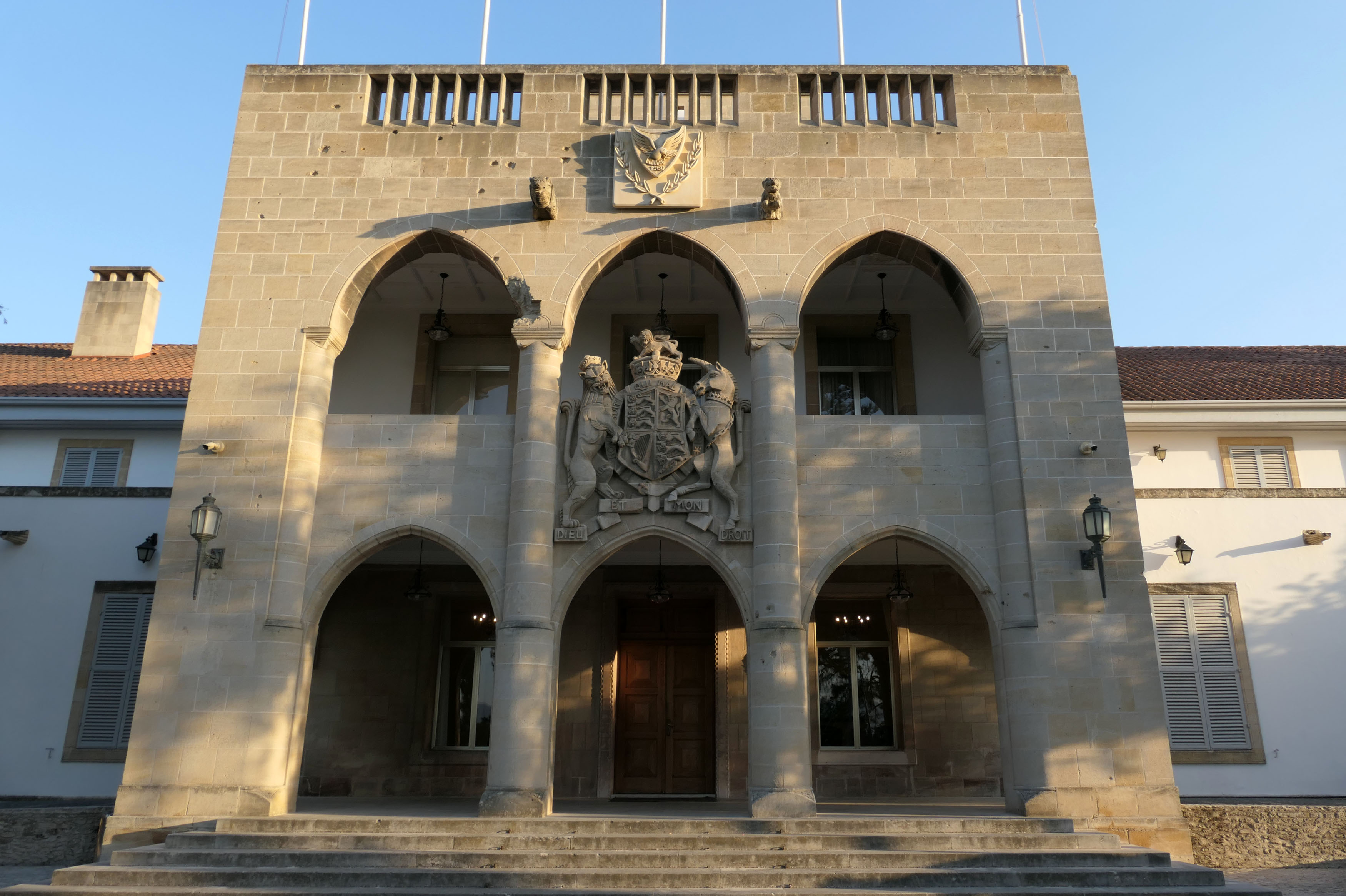
Young people aged 17 to 35 took the seats of ministers and deputy ministers at the presidential palace on Monday, as President Nikos Christodoulides chaired a special cabinet-style meeting aimed at giving the younger generation a say in government policy.
The initiative allowed participants to present proposals and recommendations relating to the portfolios they had been assigned, with the president promising that their suggestions would be evaluated and, where possible, implemented.
Welcoming the participants, Christodoulides stressed that their involvement was intended to be more than symbolic, encouraging them to speak freely, challenge government policies and put forward concrete proposals on issues affecting their generation.
“You are here not only symbolically but substantively,” he said, adding that criticism and disagreement were part of the cabinet’s normal decision-making process.
He explained that ministers were collectively responsible for government decisions, rather than being concerned solely with their individual portfolios. Proposals with financial implications, for example, must undergo assessment before being brought before the cabinet.
Christodoulides also highlighted the importance of transparency and avoiding conflicts of interest, explaining that ministers must declare any personal or family connections to matters under discussion.
He said disagreements between ministers were not uncommon, stressing that cabinet meetings were intended for substantive discussion rather than simply approving proposals.
Turning to youth participation, the president said the government considered participatory democracy an essential part of policymaking, particularly because younger generations would live with the long-term consequences of decisions taken today.
He referred to initiatives including lowering the minimum age for standing for election to 21 and introducing automatic voter registration from the age of 17. The latter, he said, had originally been intended for parliamentary elections but would instead take effect from the 2028 presidential election following a parliamentary decision.
He also pointed to digital participation platforms, including EkfraCy and Voice of the Citizen, which allow young people to express their views and contribute ideas.
According to the president, the participants were selected through an open application process that invited people aged 17 to 35 to submit proposals. More than 150 suggestions were received.
He said the response challenged the perception that young people were uninterested in politics or lacked opinions on public affairs.
Christodoulides assured them that their proposals would not simply be heard and forgotten.
“They will be evaluated and, where feasible, promoted for implementation,” he said, adding that the government would also provide feedback on the recommendations submitted.
The president also addressed criticism that his frequent public appearances amounted to continuous election campaigning.
He defended his approach, saying that maintaining direct contact with citizens allowed him to identify problems that might otherwise escape the government’s attention.
“Someone who has no contact with society is out of touch with reality,” he said, adding that several concerns raised by citizens were entirely justified and required attention.
Closing his remarks, Christodoulides encouraged participants to be creative, think outside the box and make full use of the opportunity.


Click here to change your cookie preferences