
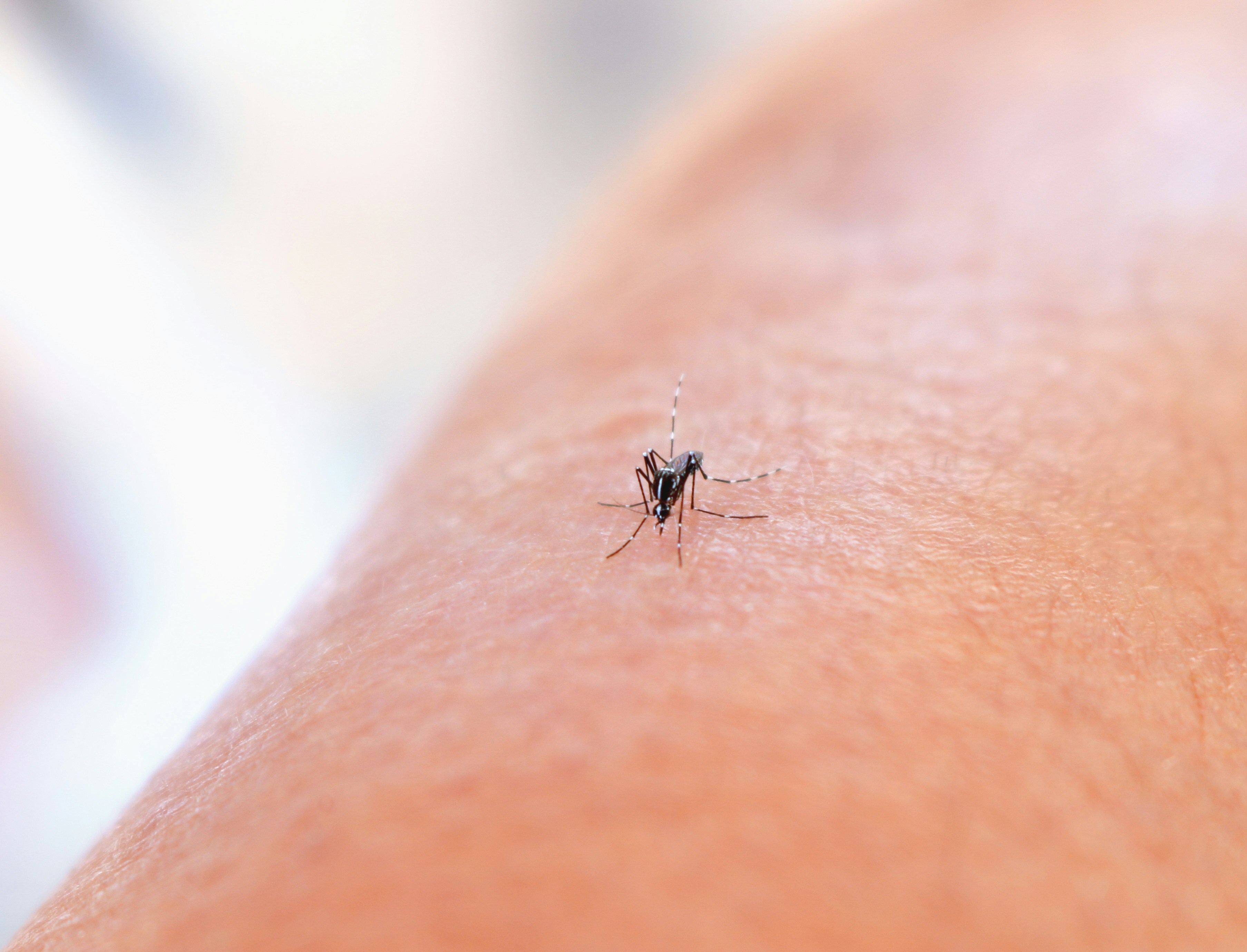
Mosquito activity varies by species, weather and local conditions, while body odour and other cues can make some people more attractive to bites. How to reduce the risk
Mosquitoes may be small, but in Cyprus they are an almost constant nuisance, present throughout the year, although the species and level of activity change with the seasons. But why do they seem to target some people more than others, and which measures to prevent them biting actually work?
The idea of a single ‘mosquito season’ is difficult to apply here. Head Entomologist and Principal Investigator at the laboratory of Vector Ecology and Applied Entomology, Joint Services Health Unit, British Forces Cyprus, Dr Angeliki F Martinou says that activity depends on the climate, the species of mosquito and even conditions within a specific neighbourhood or garden. Even when conditions across a large area are unsuitable for insect development, sheltered “pockets” may still provide the right conditions.
Mosquitoes depend on water for their development, so heavy rain followed by warm weather can contribute to their success. Martinou explains that when rainwater does not evaporate, it can become a mosquito breeding site. At temperatures of around 25C or above, she says, some species can complete their development within a week.
Rain is not required for mosquitoes to reproduce. Watering plants can result in small pools of water accumulating in flowerpot trays, containers, and other items that are found in gardens, especially when plants are watered in the evening. “Some mosquito species do not need a lot of water to develop, even a tablespoon of stagnant water is enough,” Martinou says.
Different species require different quantities of water to develop. The common house mosquito, Culex pipiens, which can transmit the West Nile virus, lays its eggs on the surface of water and requires a larger amount than some other species. It can breed in cesspools and septic tanks because it favours water containing organic matter. Martinou says the species has long been present in Cyprus and elsewhere in the Mediterranean.
By comparison, the Asian tiger mosquito, Aedes albopictus, and the yellow fever mosquito Aedes aegypti, can develop in much smaller quantities of water. Their eggs are laid on damp surfaces and are able to survive for months even after the water dries. They can then hatch when rain falls, or someone waters their garden.
Why mosquitoes bite some people more than others
Removing standing water may reduce the number of mosquitoes nearby, but it does not explain why two people sitting in the same garden can have very different experiences.
Mosquitoes sense the presence of a potential host through several cues. Carbon dioxide in a person’s exhaled breath, body odour, and heat are detected along with visual cues. Some individuals really are consistently more attractive than others. A 2022 study published in Cell found that skin odour samples from people with higher levels of certain carboxylic acids were more attractive to female Aedes aegypti mosquitoes. The differences between highly and weakly attractive participants remained stable over several years.
A person’s body temperature and skin microbiome may also affect their attractiveness. Sweat and dark clothing can also make it easier for mosquitoes to locate someone. Martinou says that some species, like the Asian tiger mosquito, may prefer to feed on people with type O blood, but body temperature, carbon dioxide and body odour play a big role. The idea of having “sweet blood,” she says, is probably more of a joking expression than a significant reason why someone gets bitten.
Which mosquitoes bite humans and how to avoid them

Only female mosquitoes take blood meals, which provide nutrients needed to develop their eggs. Both male and female mosquitoes also feed on nectar and pollen. Martinou says that, out of the estimated 3,500 species worldwide, only a small number prefer to bite humans or pose a risk to them. Depending on the species, females may obtain blood from birds, reptiles, amphibians and other mammals.
The Asian tiger mosquito mostly bites outdoors during the day. According to Martinou, it adapts very quickly to local conditions. Residents have reported seeing this mosquito entering houses. Martinou suggests it may be seeking cooler indoor conditions when outdoor temperatures are particularly high.
The most effective means of protection begins by limiting your exposure. Martinou recommends repellents containing DEET, light coloured clothes, and mosquito nets on windows and doors. Essential oils such as citronella may offer some protection, though this usually wears off after one or two hours. Other solutions such as coils, candles and plug in devices can also help, although the effectiveness varies depending on the mosquito species.
Preventative measures around the home should not be overlooked. Things that require regular checking for standing water are flowerpot trays, pet bowls, toys, rain gutters, and poorly maintained swimming pools. Martinou cautions against overreliance on chemical spraying, as mosquitoes can develop resistance to insecticides, possibly making them less effective when they are genuinely needed during an outbreak. There is no easy way out; a combination of repellent, suitable clothing, screens, and removal of breeding sites offers the best defence against bites.





Click here to change your cookie preferences