
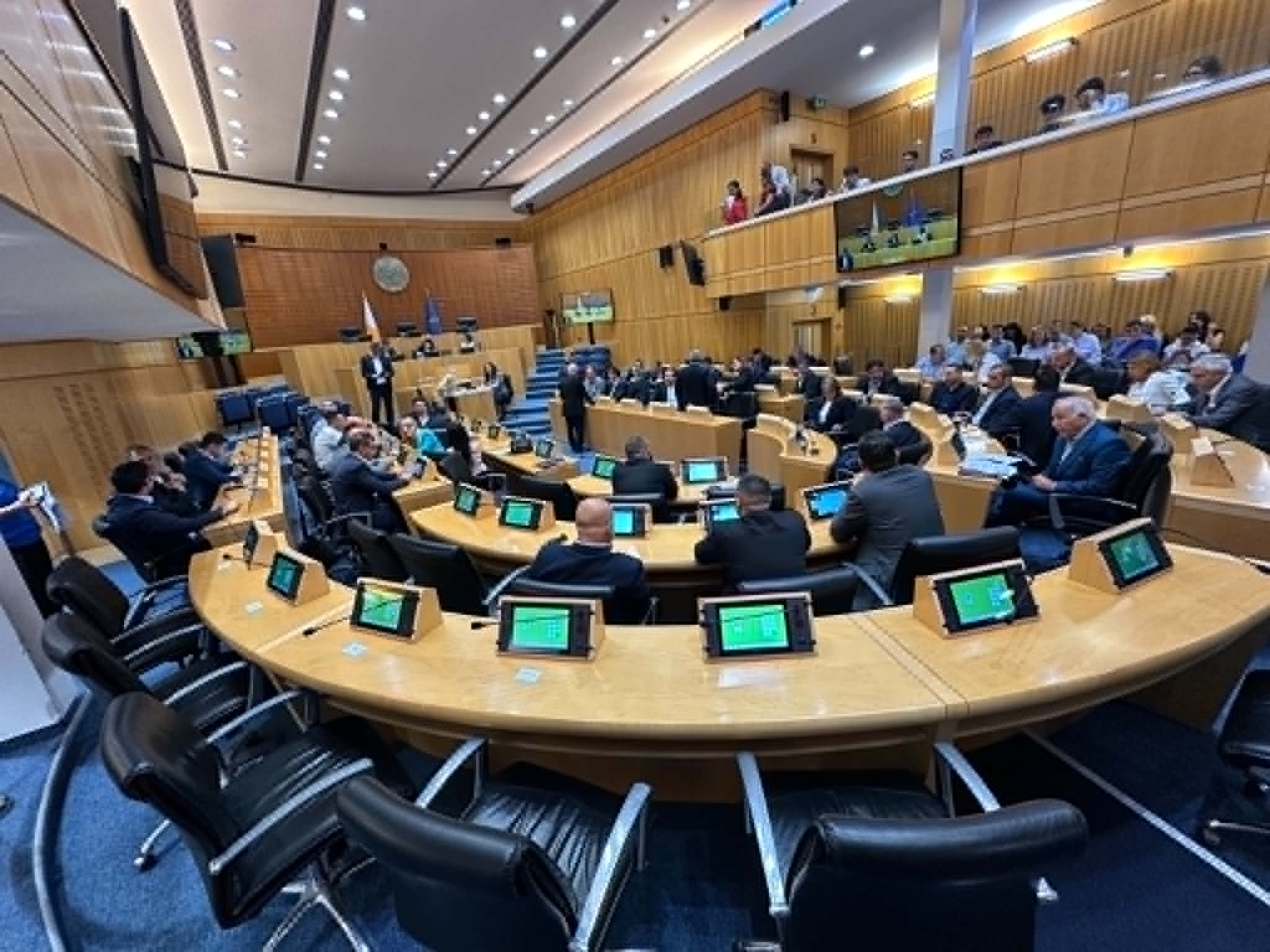
Lawmakers, officials and experts on Monday hailed the start of a discussion of the draft declaration on Digital Human Rights, seeing it as an essential guide for safeguards in the digital realm.
Digital human rights are existing human and legal rights – like freedom of expression, privacy and freedom from discrimination – applied and protected within digital spaces, the internet and technology infrastructure.
Parliament is working on a declaration that it hopes to pass by year’s end.
Akel MP Christos Christofides, who has taken the lead in promulgating a digital rights charter for Cyprus, called it a roadmap.
“Our point of departure is that human rights also apply in the digital space,” he said.
The declaration, he stressed, would not supplant the constitution, nor EU or international law.
Ultimately, its strength would come from implementation.
The draft text of the declaration calls on the government, once the declaration has been adopted by the House, to within six months submit to parliament a legal and institutional framework governing digital rights.
And within 12 months, the government must compile a national action plan with specific measures.
The effort was welcomed by Education Minister Athena Michaelidou, as well as by the deputy ministry of research, innovation and digital policy, the attorney-general’s office, the ombudswoman’s office, the Personal Data Protection Commissioner and the bar association.
Aris Constantinides, associate professor of international law and human rights at the Department of Law, University of Cyprus, described the draft text as an “excellent declaration”.
The expert said that in some aspects it even surpasses the European Declaration on Digital Rights and Principles.
Notably, the Cypriot declaration will incorporate neurorights, which even the European declaration makes no mention of.
Neurorights are ethical, legal, social or natural principles designed to protect and preserve the human brain, mental activity and personal identity as neurotechnology and artificial intelligence advance.
For example, the right to mental privacy, the right to personal identity, and the right to agency and free will.
Yianna Danidou, assistant professor at the Cyprus University of Technology and an expert on cybersecurity, spoke of certain points that need to be added to the text of the declaration – such as protections for ‘kidfluencers’ (individuals under the age of 18 who build an audience on social media platforms) and the right of adults to delete anything published about them when they were underage.
Parliament will continue to get feedback on the declaration, with MPs meeting again on November 16 to review progress.




Click here to change your cookie preferences