
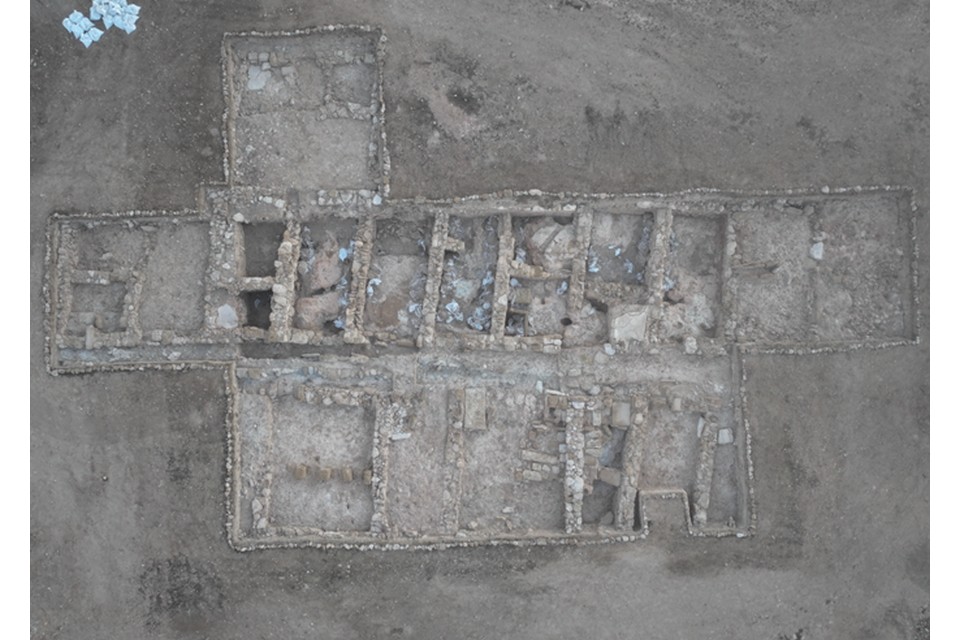
Drinking vessels, cooking utensils and amphorae were identified by researchers while studying finds from the Pyla-Vigla site in Larnaca district, the department of antiquities announced on Friday.
The work was part of the Pyla-Koutsopetria Archaeological Programme’s 20th excavation season, held in June and July and led by researchers from three US universities.
The team examined about 250kg of pottery recovered from Building I between 2018 and 2025.
The building offers the clearest evidence of the site’s final occupation phase.
Researchers have analysed around 60 per cent of material from six excavation units, identifying items used before the settlement was abandoned around 294 BC.
Finds include food and drinking vessels, at least four types of cooking utensil, and locally made and imported amphorae.
Animal bones were also studied to investigate the garrison’s diet.
Most belonged to animals commonly eaten, but dog remains found in the fortification wall appear to have been deliberately placed there.
The findings will shed light on Hellenistic military communities and their economic links across the eastern Mediterranean.



Click here to change your cookie preferences