
A lost set of keys and a stranger’s generosity
A little while ago, in a moment of optimism about life, I wrote about how small things in our everyday lives can make us look towards tomorrow with renewed hope. In particular, I suggested that there was no reason why the motto “the best is yet to come” should not apply to each one of us.
When writing that, I was under no illusion about the many worrying events taking place around the world and the suffering that so many people endure every day. Like many others, I am shocked and dismayed by the direction the world has taken, particularly over the past 20 years. So much so that many people are trying, in various ways, to make a difference, only to become despondent at the apparent futility of their efforts.
“What has the world come to?” is a frequent topic of conversation among friends around dinner tables. There seems to be a general resignation to the inevitability of a world in decline. It was precisely this kind of fatalistic pessimism that I was trying to set aside in my earlier column, offering readers instead a small ray of hope.
Predictably, after its publication, I received comments suggesting that, while the article was optimistic, it overlooked the difficult circumstances in which particularly the younger generation finds itself and the enormous challenges it faces.
I am well aware of those difficulties. Life is not a bed of roses, as the saying goes. But I also believe that unless we approach difficulties with a positive mindset, our chances of overcoming them are considerably diminished.
As it happens, over the past couple of weeks, the universe has conjured up a few events to reinforce my outlook on life.
Reasons to be optimistic
The defeat of Donald Trump and his allies in the US midterm elections on 3 November gave many people reason to hope that, even if the opportunity to restrain an erratic president remains limited, there is at least growing evidence that his policies and message no longer command majority support.
Perhaps nowhere was this more symbolic than in Mississippi, where voters elected the first Democratic black senator since 1875.
Scott Colom won with the help of a series of viral campaign videos that drew attention to his opponent’s response to a question about the rising cost of beef. “You have so many proteins to choose from,” the Republican candidate told a local television interviewer.
Colom’s campaign seized on the remark, producing a 30-second advertisement that cut from her response to a man grilling beef patties. “Pick another protein?” the man asks. “Shiiiit. I’d rather pick another senator instead.”
It was one of the more memorable political advertisements in recent memory.
Here in Cyprus, another development gave some people reason for hope.
President Nikos Christodoulides and Turkish Cypriot leader Tufan Erhürman finally agreed to the opening of two new crossing points, paving the way for the possibility of talks on more substantive issues.
The breakthrough may have been modest in itself, but it was the signal the United Nations had been waiting for: that the two sides were prepared to make the compromises necessary to allow more serious negotiations to begin.
The agreement was greeted with disappointment on both sides, as it fell short of the expectations the two leaders had created beforehand. But that was precisely the point of the UN’s insistence on securing an agreement in the first place.
No comprehensive settlement, should one ever materialise, will satisfy everyone. Perhaps that is the most important message the UN was trying to convey.
A lost set of keys
But the most convincing sign of hope, for me, came not from an election or a political agreement, but from a small, individual act of kindness by a complete stranger.
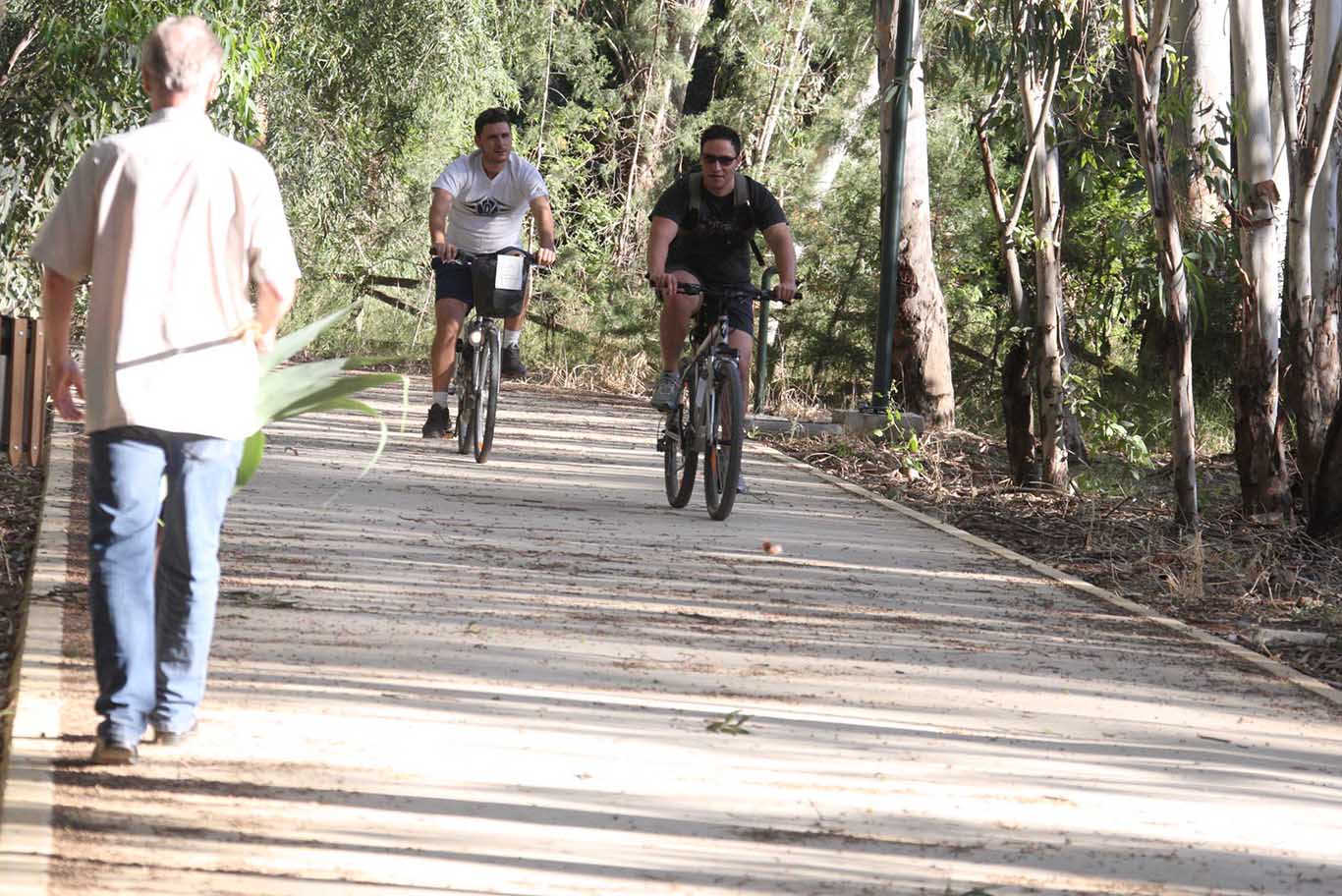
The other day, I was cycling home from the office along the Pedieos walking and cycling path when, through the carelessness that seems to come more easily with advancing age, I managed to drop my house and car keys.
I only realised what had happened when I got home and found myself unable to get in. I retraced my route, checking the places where I thought the keys might have fallen, but to no avail.
I dreaded the inconvenience of having to change the security locks at home. But that was nothing compared with the shock I received when I called the car dealer to ask for a replacement key. Seven days, and €560 plus VAT, came the reply.
“But it’s only a key,” I mattered, in disbelief.
“That is after the 20 per cent friendly discount,” came the rather cold response.
I put down the phone wondering how I would get through the next seven days of explaining the cost of my carelessness to my wife.
I had little time to dwell on the matter before my phone rang.
“Is that Mr Skaliotis?” an unfamiliar voice asked.
“Yes,” I replied. “Who is this?”
“I am the person who has your keys. I found them on the walking path.”
“But how did you know who I was, and how did you find my telephone number?” I asked, incredulously.
As it turned out, I had my gym membership card attached to the keys. My benefactor had the ingenuity and willingness to go to the gym, where he managed to obtain my name and telephone number.
It was a selfless act of kindness that restored my faith in the goodness of people. Going out of one’s way to help a complete stranger is precisely the sort of thing we should all be willing to do whenever the opportunity arises.
I never found out the name of my unknown benefactor. Perhaps that is just as well. Like the Unknown Soldier, he represents something greater than himself. His simple, selfless act is a reminder that, despite everything, there is still plenty of goodness in the world.
For that, and for saving me from seven days of explaining away an expensive act of carelessness, I will remain eternally grateful.



Click here to change your cookie preferences