
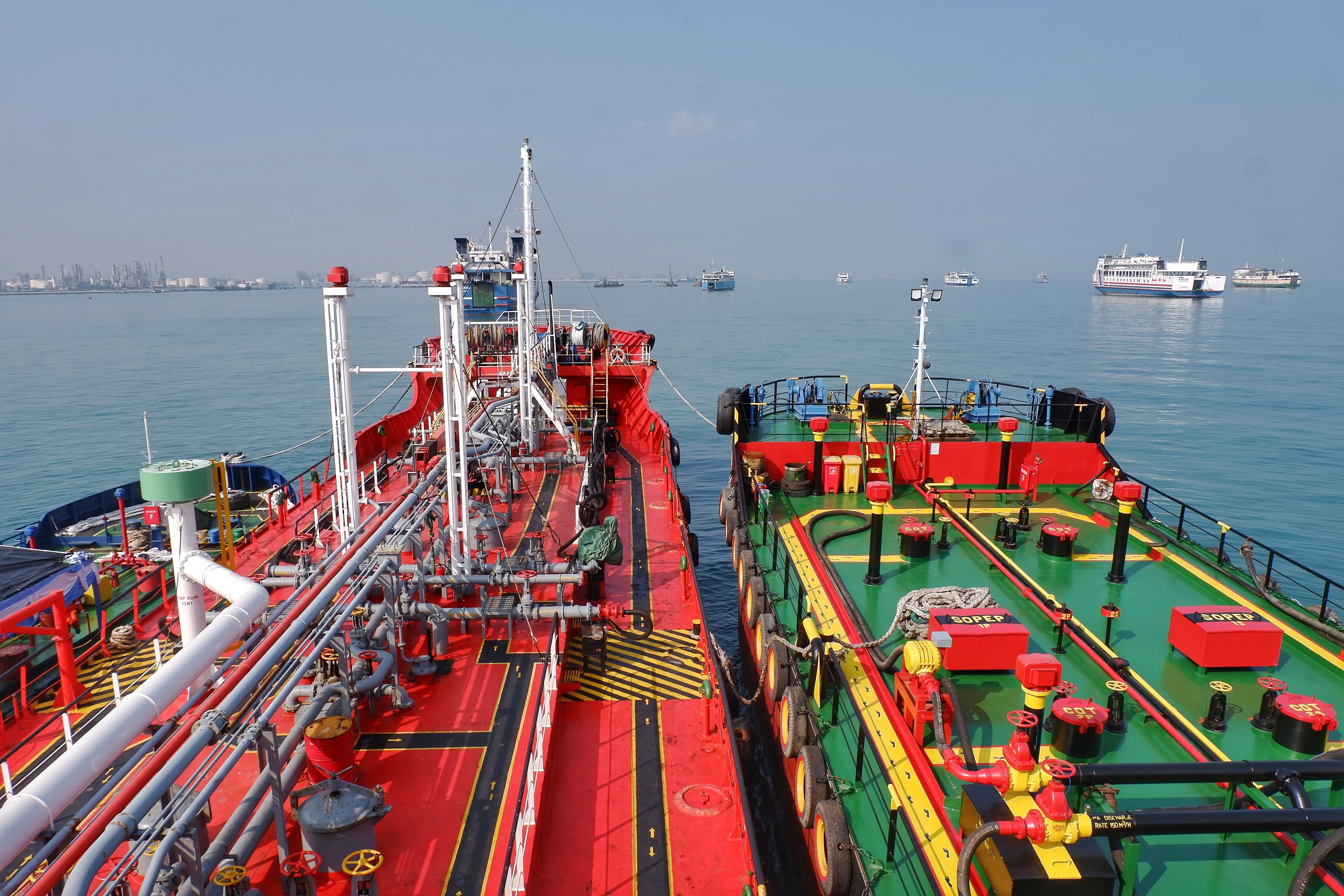
New charges on shipping emissions could push up transport costs and the prices of essential goods across Europe if introduced before sufficient alternative fuels become available, Greek Shipping Minister Vassilis Kikilias warned.
Speaking at a European People’s Party conference in Athens, Kikilias said the financial burden of shipping’s green transition could ultimately fall on households already struggling with inflation and high energy prices.
His warning comes before the International Maritime Organisation’s (IMO) Marine Environment Protection Committee (MEPC 85) meets in London from November 30 to December 3, with negotiations continuing over the proposed Net-Zero Framework.
Kikilias said “Greece supported reducing shipping emissions but argued that regulations must reflect the availability of cleaner fuels and the industry’s ability to adopt them.”
According to the minister, the production of alternative fuels currently represents just 0.5 per cent of global requirements, leaving liquefied natural gas (LNG) as a transitional option for shipowners.
He warned that the proposed measures could impose hundreds of billions of euros in additional costs on shipping, potentially increasing freight rates, energy prices and the cost of everyday goods.
At the same time, he raised concerns about the competitiveness of European ports under the EU Emissions Trading System (ETS), arguing that additional costs could weaken their position against competing ports in the Mediterranean and elsewhere.
The issue is particularly relevant to Cyprus, where the shipping industry has also called for internationally consistent regulations that take account of fuel availability, investment costs and competitiveness.
The Cyprus Shipping Chamber (CSC) said last week that governments should agree on a single global regulatory framework, supporting a joint appeal by nine international shipping organisations.
The organisations, including BIMCO and the International Chamber of Shipping (ICS), warned that overlapping regional and national rules could result in shipping companies paying multiple times for the same emissions.
Their joint statement also stressed that future regulations must reflect the cost and availability of alternative fuels while providing certainty for shipowners investing in cleaner vessels and technologies.
Meanwhile, Kikilias called for greater European coordination on shipping competitiveness and announced plans for a dedicated informal EU ministerial meeting on maritime affairs during Greece’s upcoming EU presidency, involving industry representatives and European policymakers.
The next round of IMO technical discussions begins on November 23, followed by MEPC 85 the following week. A further extraordinary session, potentially on December 4, remains subject to confirmation.




Click here to change your cookie preferences