
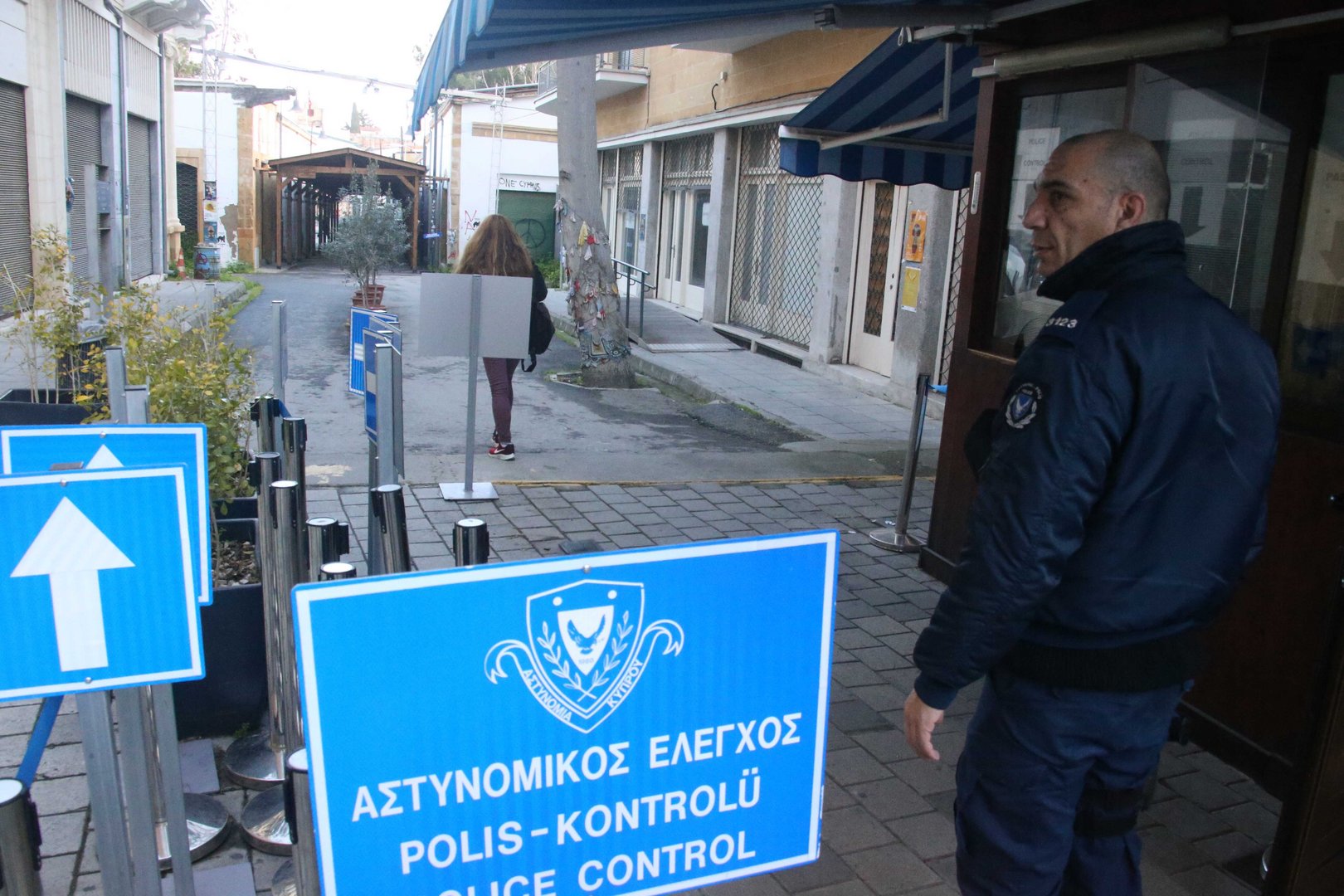
Nowhere else in Europe can you experience such contrast so intimately — and yet, on both sides, the rhythm of daily life carries on. Children play football near barbed wire. Artists paint murals of peace. And café owners on either side of the divide serve the same thick, sweet coffee, each calling it their own.
Nicosia has long been Cyprus’s cultural and intellectual capital. In recent years, a creative resurgence has taken hold — powered by young artists, designers, and thinkers reclaiming forgotten spaces.
Walk a little further through the walled city and the layers of Nicosia become even more striking. Along Onasagorou and Ledra Street, restored mansions sit beside weather-beaten façades still bearing the marks of time. Boutiques occupy former merchant houses; concept cafés spill into shaded courtyards where jasmine climbs the walls. This is the part of Nicosia where past and present don’t just coexist — they mingle like old friends who’ve learned to share stories rather than compete for attention.
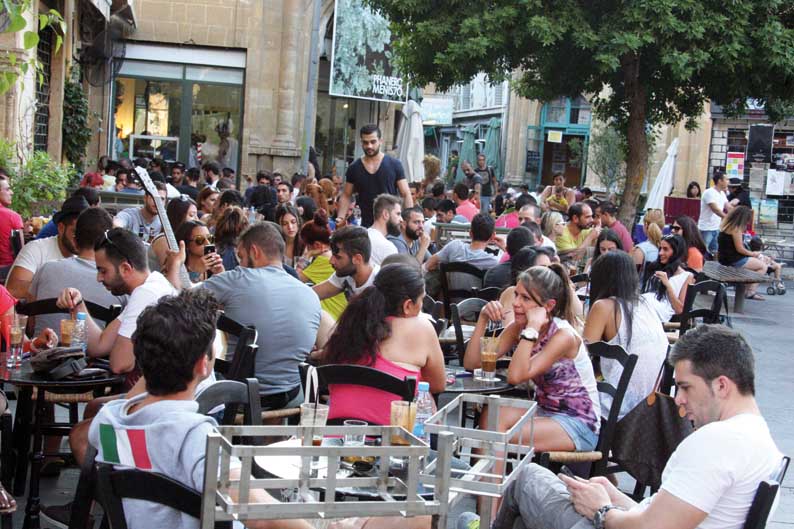
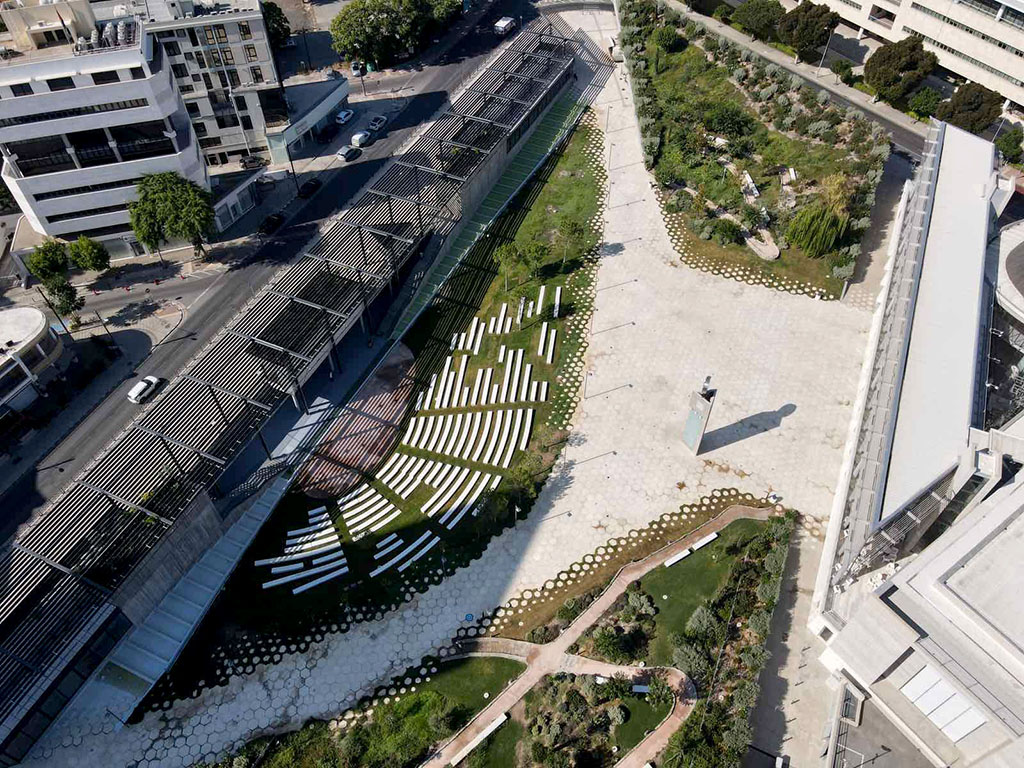
Just beside the revitalised Municipal Market rises Nicosia’s new Town Hall — a contemporary landmark that mirrors the city’s forward momentum. Its clean lines, glass façades, and open public spaces embody a shift toward transparency and civic engagement, while the building’s integration with the surrounding historic district shows how modern Nicosia is learning to grow without erasing its past. Inside, light floods the atrium, exhibitions rotate across the foyer, and community events spill onto the adjacent square. More than a municipal building, it acts as a symbolic bridge between the city’s administrative heart and everyday life — a place where locals gather, debate, celebrate, and imagine what the next chapter of Nicosia might look like.
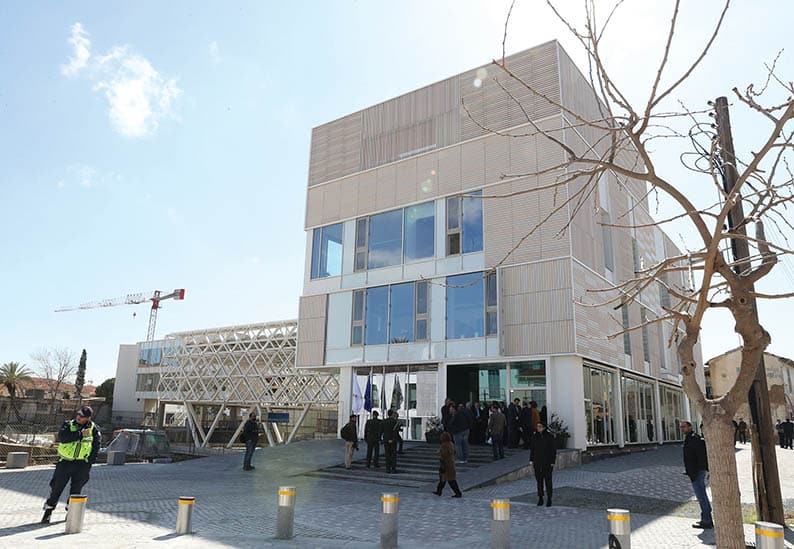
The Nicosia Municipal Arts Centre (NiMAC), housed in a converted power station, stages exhibitions that challenge the island’s narrative, while the Leventis Gallery and Aigaia Art School celebrate local and international talent. In Chrysaliniotissa Quarter, restored Ottoman-era houses now serve as studios, workshops, and artist residencies.
Just beyond the bustle lies the Cyprus Museum, the island’s most important archaeological institution. Its galleries hold millennia of Cypriot history — terracotta figurines, Bronze Age tools, jewellery once worn by ancient queens. The museum’s cool halls remind visitors that the idea of Cyprus has been rewritten countless times, and Nicosia has always adapted, always endured.
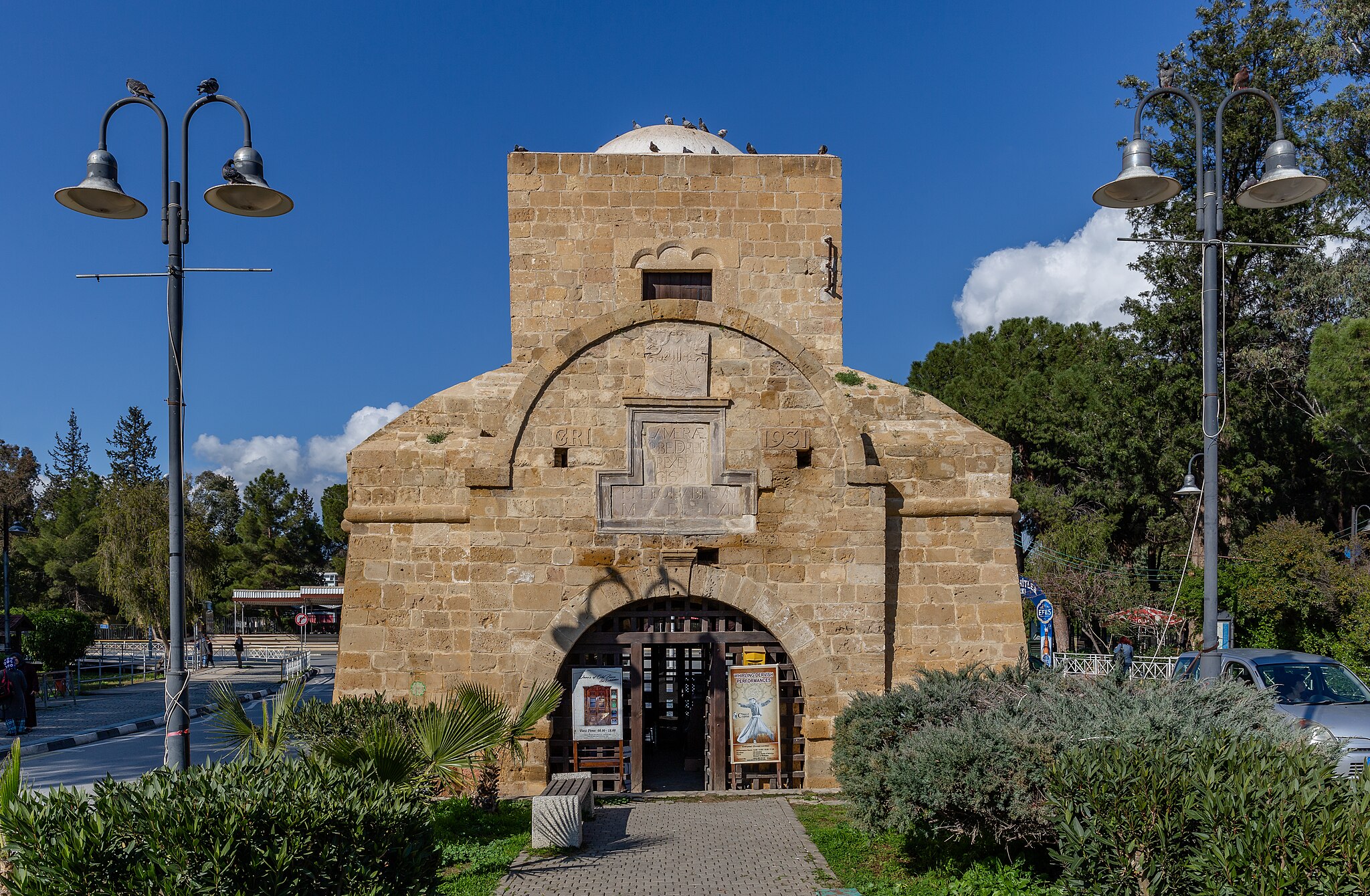
A short walk away, the Venetian Walls stand as a monumental reminder of another era. There are three gates ‘protecting’ the walled capital, the Famagusta Gate, the Paphos Gate and the Kyrenia Gate which in the occupied part of Nicosia.
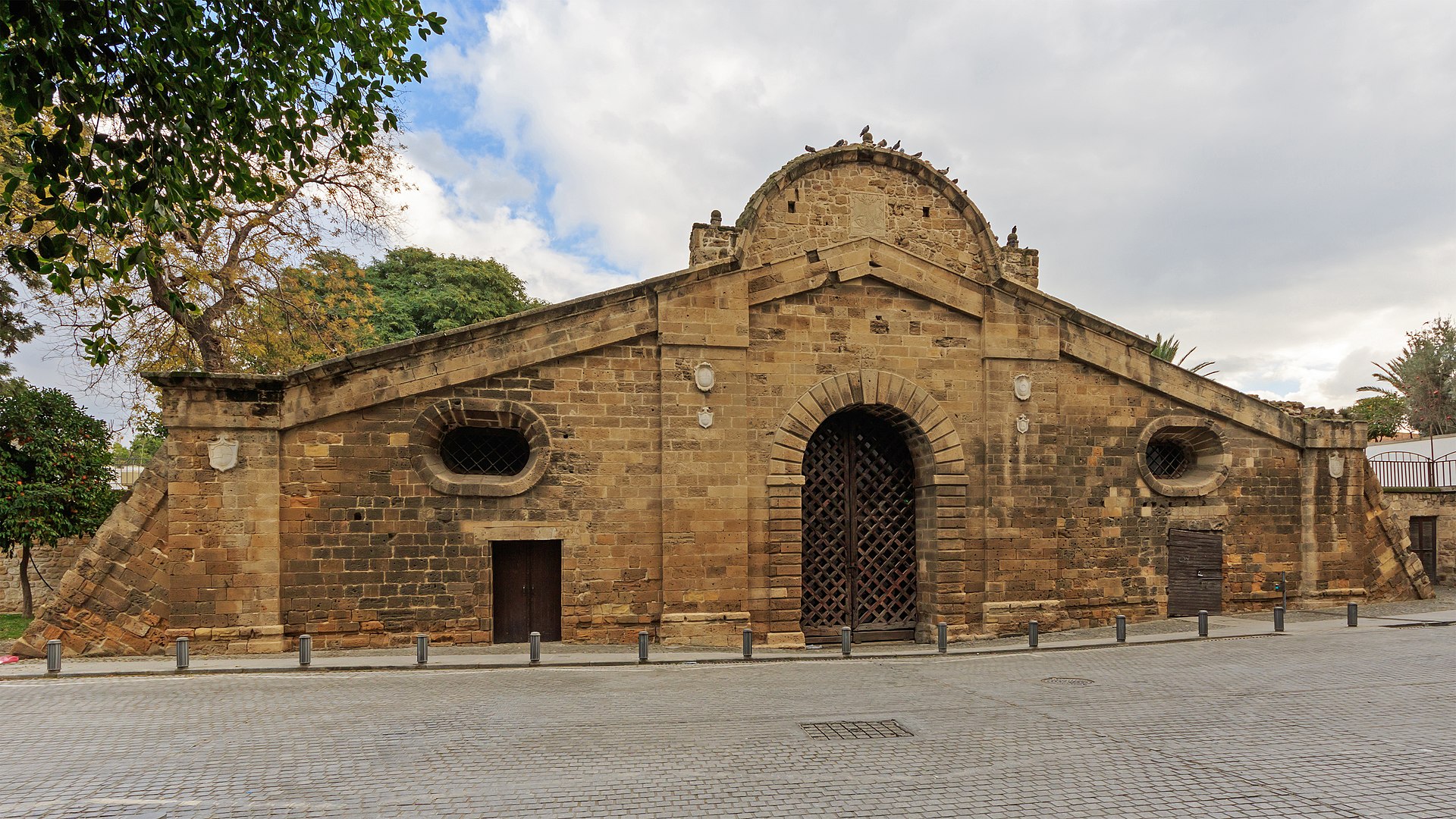
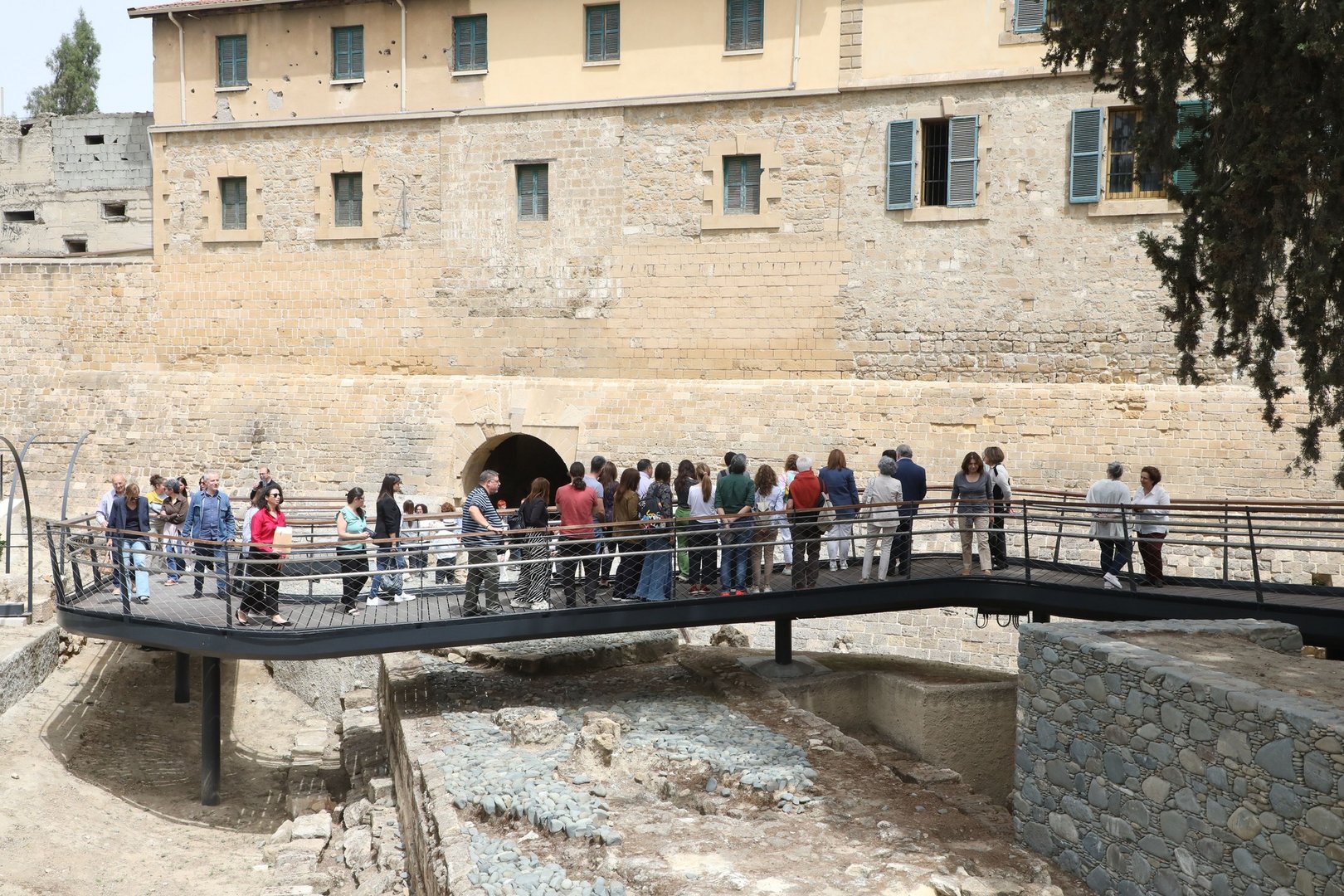
Climb the walkway near Famagusta Gate and you gain a vantage point not just over rooftops and minarets, but over the complicated timelines that converge here. It becomes clear why Nicosians speak of their city as a crossroads — a place where Europe, the Middle East, and the Mediterranean meet in ways both subtle and bold.
And yet, despite its heavy history, Nicosia never feels static. Around the Palia Elektriki cultural quarter — a transformed former power station now surrounded by small studios and rehearsal spaces — makers, chefs, and young entrepreneurs are shaping a new urban identity. Vinyl shops hum with indie music; designers screen-print T-shirts in tiny workshops; and experimental cafés reinterpret Cypriot flavours with modern twists.
Further west, the Cyprus Handicraft Centre in Dassoupoli preserves a different creative tradition. Here, artisans weave baskets, carve wood, and craft lace using techniques passed down for generations. Watching them work feels like stepping briefly into an older Cyprus, one that still beats steadily beneath the city’s modern surface.
Rooftop terraces across the Old Town offer sweeping views of Nicosia’s divided skyline. From above, the contrast feels gentlest — the lights on both sides shimmering with the same warmth, as if even the city’s fault lines soften at dusk.
Still, there’s an undeniable tension here — between nostalgia and reinvention — that gives the city its edge. Nicosia is where old Cyprus breathes the same air as new Europe.
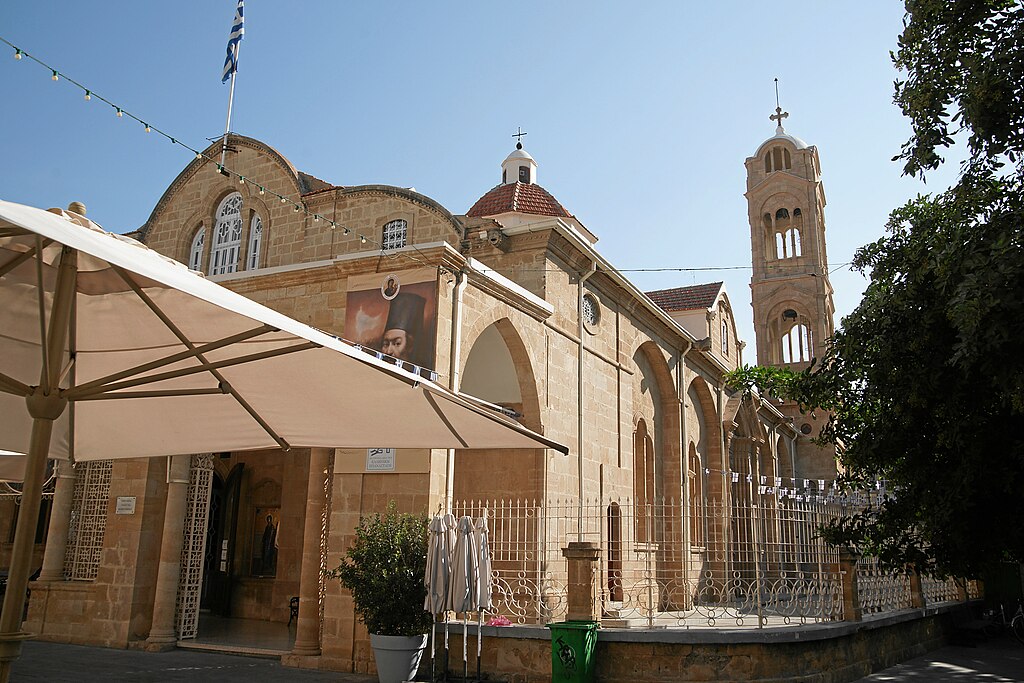
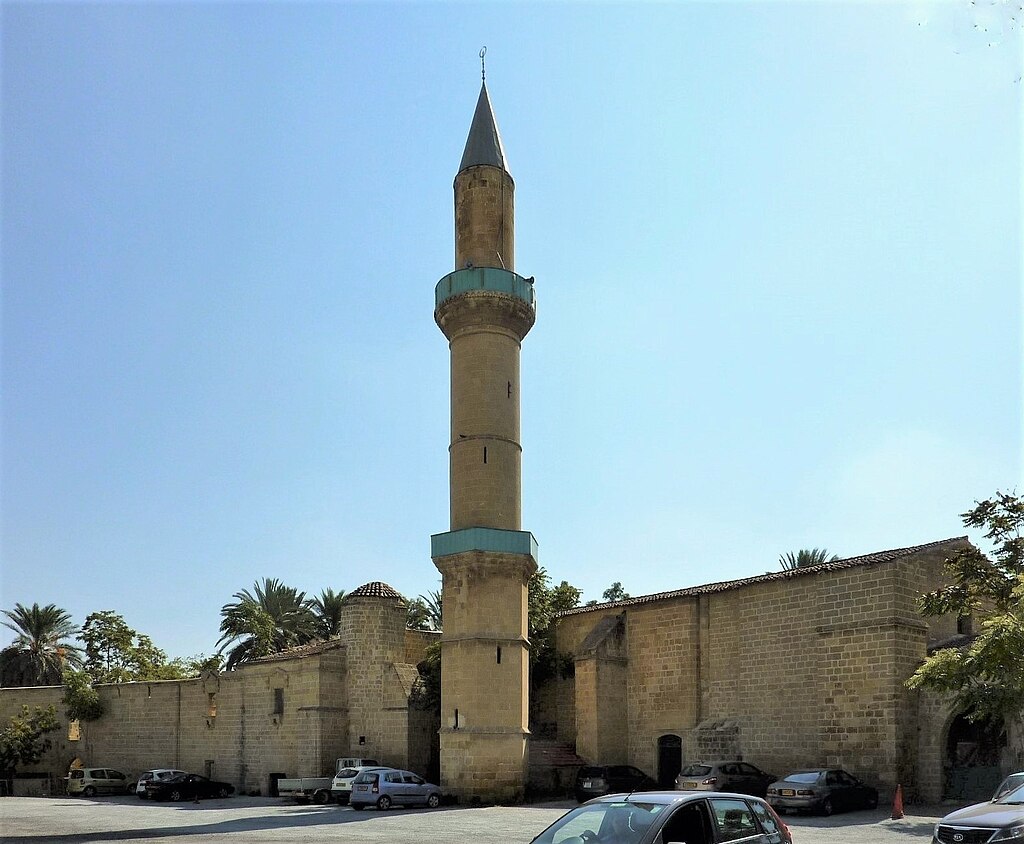
For all its political divides, Nicosia remains deeply spiritual. The Phaneromeni Church stands just a few hundred metres from the Omeriye Mosque, a former church transformed during Ottoman rule. Their proximity says more about Cyprus than any headline could: faiths may differ, but they rise from the same ground. Step inside these sanctuaries and the city’s noise fades — replaced by incense, prayer, and a sense of continuity that outlives politics.
When evening falls, Nicosia reveals its sociable soul. Taverns fill with locals, tables spill into alleyways, and meze arrives dish after dish — halloumi, loukaniko, hummus, octopus, olives, wine. The atmosphere is both timeless and modern — a reminder that even in a divided city, joy crosses borders easily.
Nicosia is more than Cyprus’s capital; it is Europe’s last divided city — and perhaps its most symbolic. Within its walls, history isn’t a museum piece but a living dialogue: between cultures, between past and present, between separation and hope.
Spend a day here and you’ll sense its tension. Spend a few more, and you’ll feel its heartbeat — complex, creative, and utterly compelling.
Because to understand Cyprus, you must stand in Nicosia — where two worlds meet, and still, somehow, the coffee never stops brewing.
Restaurant Reviews: Nicosia
To explore more:
Essential tips, customs, and useful words for Cyprus visitors
Paphos: Where myth, history and the sea meet
Aphrodite’s Rock: The heart of Cyprus’ coastal magic
Nicosia: Inside Europe’s last divided capital
From flamingos to Finikoudes: Fall in love with Larnaca
Limassol: The Mediterranean city that has it all
Protaras – Cyprus’s family-friendly coastal gem
Ayia Napa: Cyprus’s sun-drenched blend of buzz and beauty
Best beaches in Cyprus – From golden sands to hidden coves
Cyprus, but cooler: Why Troodos is the island’s best-kept secret
Omodos: A timeless mountain village in the heart of Cyprus
Unearthing Cyprus: Walking through 10,000 years of history
UNESCO world heritage sites in Cyprus: What to see, why they matter, and how to visit
A guide to Nicosia’s modern retail landscape
Traditional Cypriot dishes: A guide to the most popular foods in Cyprus
What is the best time to visit Cyprus?
Moving to Cyprus: A guide to the pros and cons
Where to live in Cyprus? A guide to each major city (pros & cons)
Understanding Cyprus’ time zone and how it compares with Europe, the UK, and the US

Click here to change your cookie preferences