Cuba said it had reconnected its electrical gridand was gradually restoring power after a partial collapse on Wednesday left capital Havana and much of western Cuba in the dark, the latest incident in an energy crisis that has left millions suffering from prolonged blackouts for months.
Top energy officials said a main transmission line connecting Havana with the country’s largest power plant in Matanzas failed around 5 a.m. (1000 GMT), but that workers had restored power to approximately 40% of the capital city by midday.
At least four western provinces, from Pinar del Rio to Mayabeque, lost power early on Wednesday, officials said, though all had been reconnected to the grid within hours of the outage.
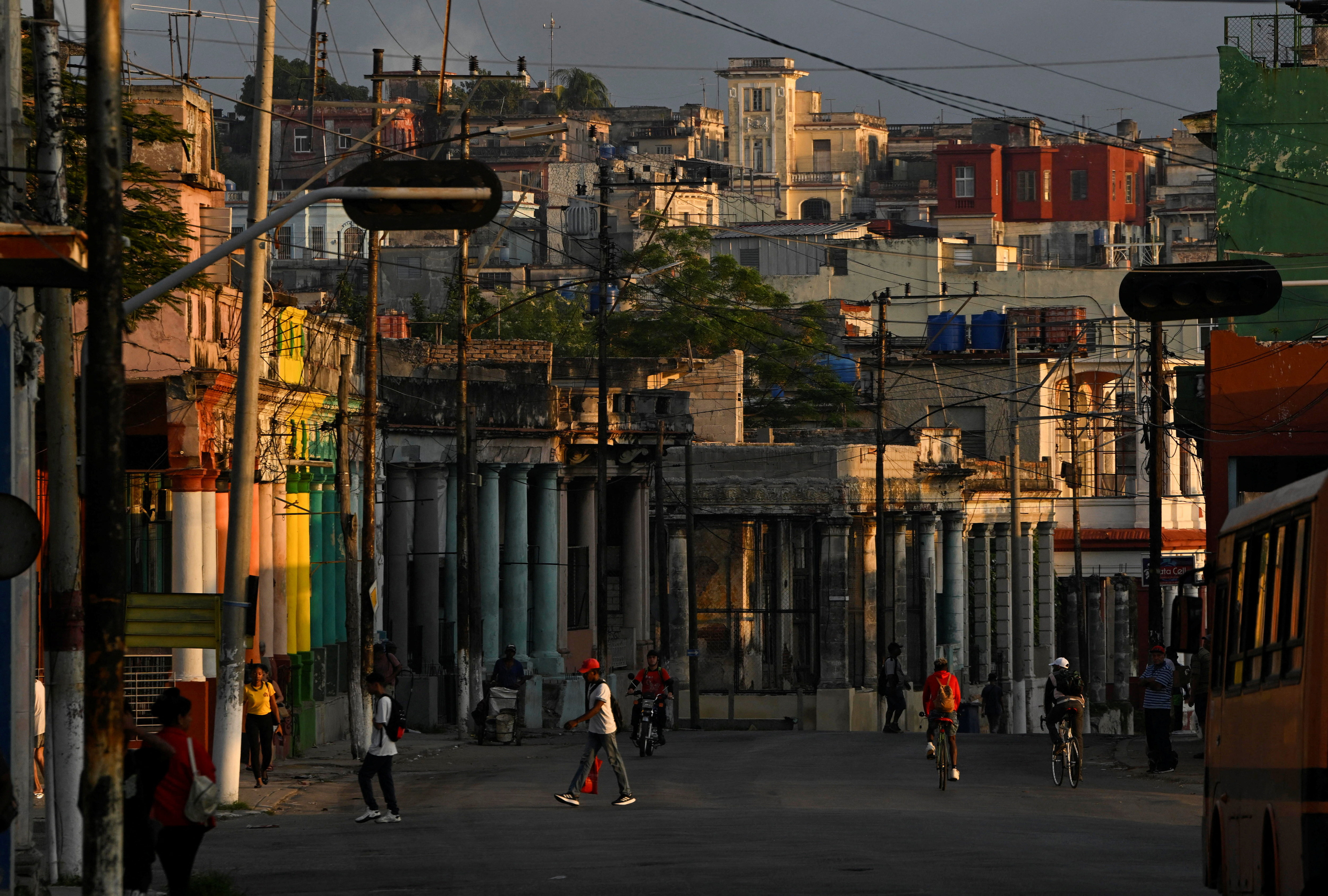
Even before Wednesday’s incident, much of Cuba was already experiencing daily blackouts extending as much as 20 hours or more. Havana, once protected from the brunt of outages, now regularly faces 10 hours or more without electricity each day.
Officials warned a generation shortfall – today approximately two-thirds of demand even after repairing transmission lines – means regular blackouts will continue.
Havana’s ocean-front skyline was dark before sunrise, with only scattered hotels and hospitals lit with generators. Cell phone service was intermittent, and street and stop lights shut off.
CUBA STRUGGLES TO KEEP LIGHTS ON
The island’s oil-fired power plants, already obsolete and struggling to keep the lights on, experienced a full crisis last year as oil imports from Venezuela, Russia and Mexico dwindled.
Cuba’s grid has collapsed several times since, with the government blaming fuel shortages, decrepit infrastructure and damage from Hurricane Melissa for worsening power outages.
U.S. sanctions and a deep economic crisis have for years made it impossible for the government to buy enough fuel, forcing a dependence on allies.
Crude and fuel imports in the first 10 months fell more than a third from a year ago as allies Mexico and Venezuela slashed supplies, according to shipping data and documents seen by Reuters.



Click here to change your cookie preferences