
The community council of a mountain village on Monday rubbished claims made on social media about part of it being turned into an Israeli community.
The Arsos – Gerovasa/Trozena community council issued a firm denial of online claims surrounding the village of Trozena, dismissing the reports on social media as “unfounded” and “not reflecting reality.”
The council said the rumours, widely shared in recent weeks, had caused “unjustified concern”. It clarified that the village remains freely accessible to all visitors, with no restrictions on entry.
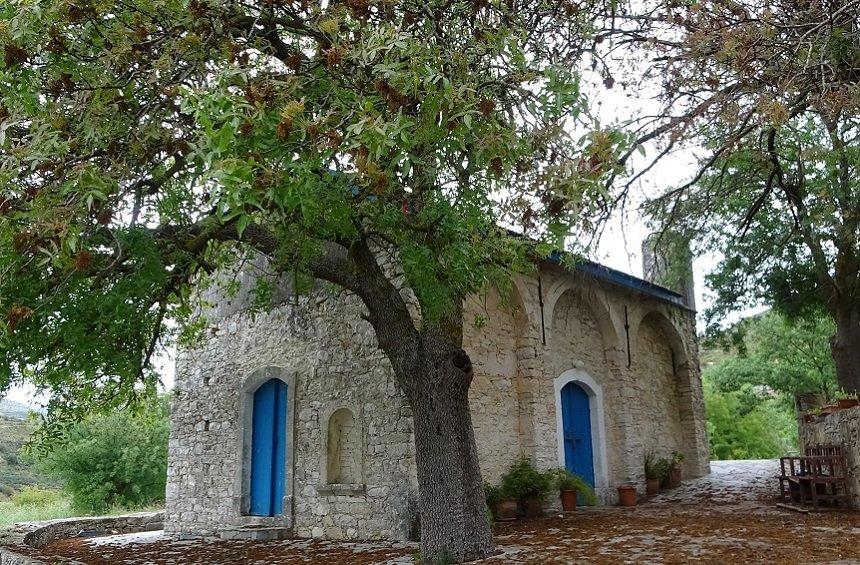
It also rejected claims that the Church of Ayios Georgios is under threat, stressing that “it belongs to the Metropolis of Paphos and that there is no intention of demolition”.
The council went further, calling on “anyone who believes they have been denied access to the area to report the matter to the authorities for investigation”.
The statement follows growing speculation online that Trozena, an abandoned settlement in the Diarizos Valley, has been “bought by an Israeli company” and is being turned into a private development as visible construction works and the coordinated restoration of buildings in the area have fuelled questions about who is behind the project.
Online material linked to the project points to plans involving hospitality and agritourism, including the development of a winery.
Posts on social media said people had been prevented from going into the village and were told it was ‘private Israeli land’.
Public records show that a Cyprus-registered company, THV Home Resort (Trozena) Ltd, was established in April 2023 and lists Trozena as its registered address.
The company is active, though publicly available registry information does not disclose its shareholders. Separately, the Trozena winery project names Lin Gold as its chief executive, with a background in the regional wine industry.
Trozena has been largely abandoned since the late 20th century, following decades of rural depopulation.
The wider area around Trozena is closely tied to the history of nearby Gerovasa, a former Turkish Cypriot village whose name means ‘sacred valley’. Gerovasa was inhabited from the Ottoman period and grew during British rule, but was abandoned in 1964 during intercommunal violence.
By contrast, Trozena was always a small, predominantly Greek Cypriot settlement, first recorded in the 19th century as a rural estate.
It was not abandoned due to conflict but gradually emptied in the late 20th century due to urban migration, with the last residents leaving in the 1990s.
Today, only the church of Ayios Georgios, built in 1885, remains intact, while the rest of the village fell into ruin. It is linked to Gerovasa by a British-era metal bridge and surrounded by natural features such as the Paradisia waterfalls.
For now, Trozena appears to be a case of private redevelopment of houses in an abandoned village.


Click here to change your cookie preferences