
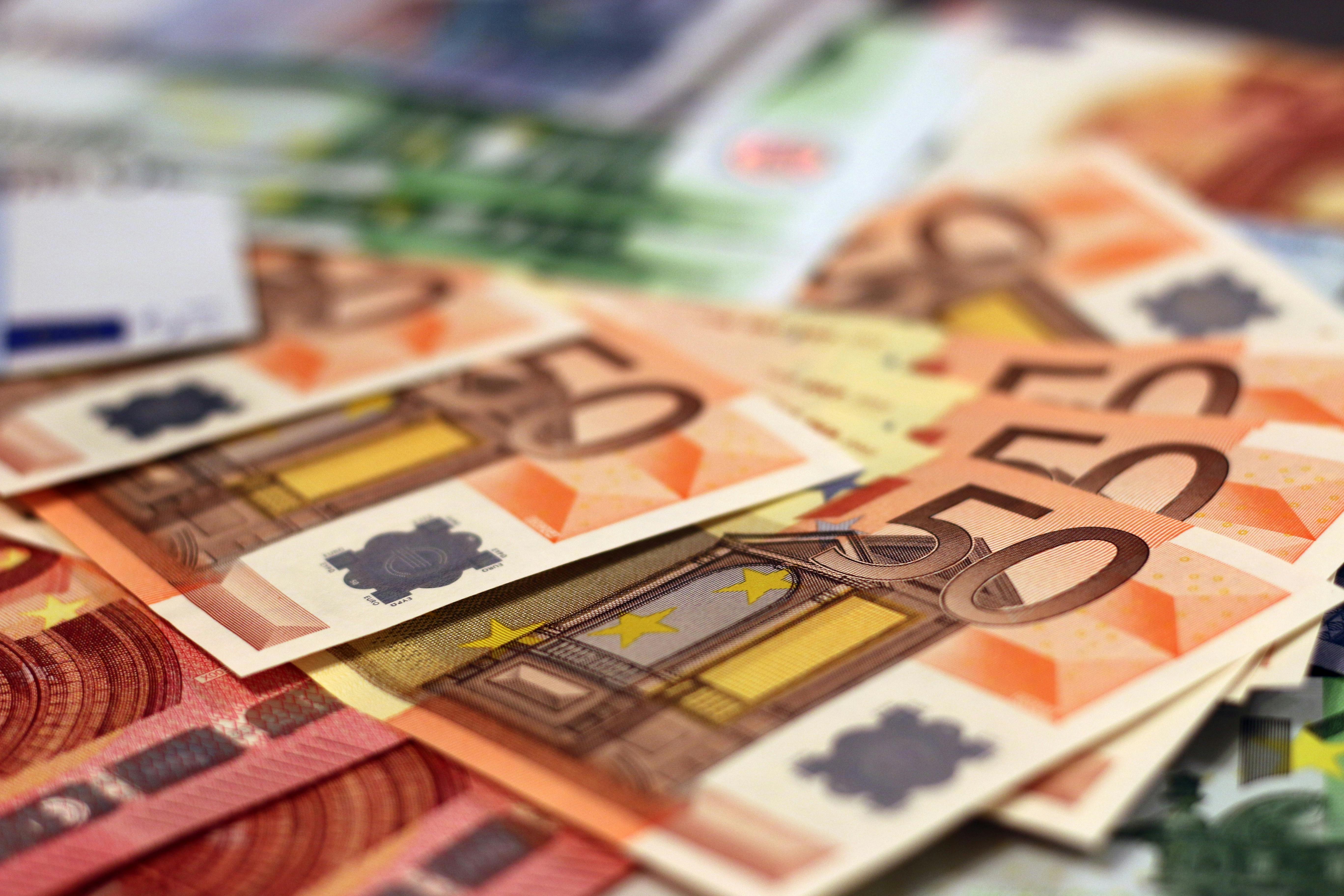
The digital euro is a public option digital payment method which will allow people to make digital payments in an alternative way
One of the lesser known but more ambitious targets set by the Cypriot government in its programme for its six-month term as the holder of the Council of the European Union’s rotating presidency in the first half of next year is the aim of finalising the EU’s “single currency package”.
“One of the priorities of the Cyprus presidency will be the finalisation of the single currency package, acknowledging that the introduction of the digital euro represents a step towards the digital age, and will assist the provision of a secure and efficient means of payment,” the programme, which was seen by the Sunday Mail in October, reads.
It adds that the digital euro will strengthen the EU’s competitiveness in global financial markets, and that as such, Cyprus will during its six-month term “continue to work on the introduction of the digital euro”.
The digital euro has garnered little hype outside of overtly financial circles in Europe, but those involved in its planning believe that if it is brought to fruition, it will positively alter the daily lives of the more than 350 million people who live in countries which use the euro.
In the European Commission’s description of the digital euro package, which was first proposed in 2023, the directorate-general for financial stability, financial services and capital markets union (DG-Fisma) offered the prospect of a digital euro as an alternative to currently offered digital financial services.
“The package includes a legislative proposal establishing the legal framework for a possible digital euro as a complement to euro banknotes and coins. It will ensure that people and businesses have an additional choice – on top of current private options – that allows them to pay digitally with a widely accepted, cheap, secure and resilient form of public money in the euro area,” it said.
In short, the digital euro is a public option digital payment method which will allow people inside the euro area to make digital payments in an alternative way to those currently available through traditional banks and other private financial institutions.
The digital euro is not a cryptocurrency. It remains a form of the euro and is better described as a new way of spending euro than a new type of currency. It will be managed and regulated using blockchain technology, but while cryptocurrencies do not have any entity creating or distributing them, all digital euro will be issued by the European Central Bank.
If the package can be approved by the European Council and the European parliament during the first six months of next year, as is the state aim of the Cypriot government, the European Central Bank believes that it will be able to begin a pilot exercise of the digital euro as early as 2027, with a full rollout then coming in 2029.
With this aim in mind, the European Central Bank announced at the end of October that it had “decided to move into the next phase of the digital euro project” after completing what it described as its “preparation phase”.
This phase saw the European Central Bank create the “draft digital euro scheme rulebook”, which, it said, “provides a single set of rules, standards and procedures for the provision of basic digital euro payments services for payment service providers participating in the scheme”.
It said the rulebook will “ensure a standardised digital euro payment experience across the euro area”.
Plans at the European Central Bank in Strasbourg or at DG-Fisma in Brussels are one thing, but what impact will the digital euro actually have on an ordinary consumer in Dali or Polis Chrysochous?
To this question, the European Central Bank says the digital euro will “make people’s lives easier by providing something that does not currently exist: a digital means of payment universally accepted throughout the euro area, for payments in shops, online, or from person to person”.
“Like cash, the digital euro would be accessible, free to use when making or receiving payments, and have legal tender status,” it adds.
It also says the digital euro will, when introduced, “preserve the monetary sovereignty of the euro area by boosting the efficiency of the European payments ecosystem as a whole, fostering innovation and increasing its resilience to cyberattacks and technical disruptions”.
On the question of why ordinary people would want to use the digital euro, as opposed to existing methods of payment, it describes the digital euro as “a payment solution for every occasion, for use anytime and anywhere in the euro area”.
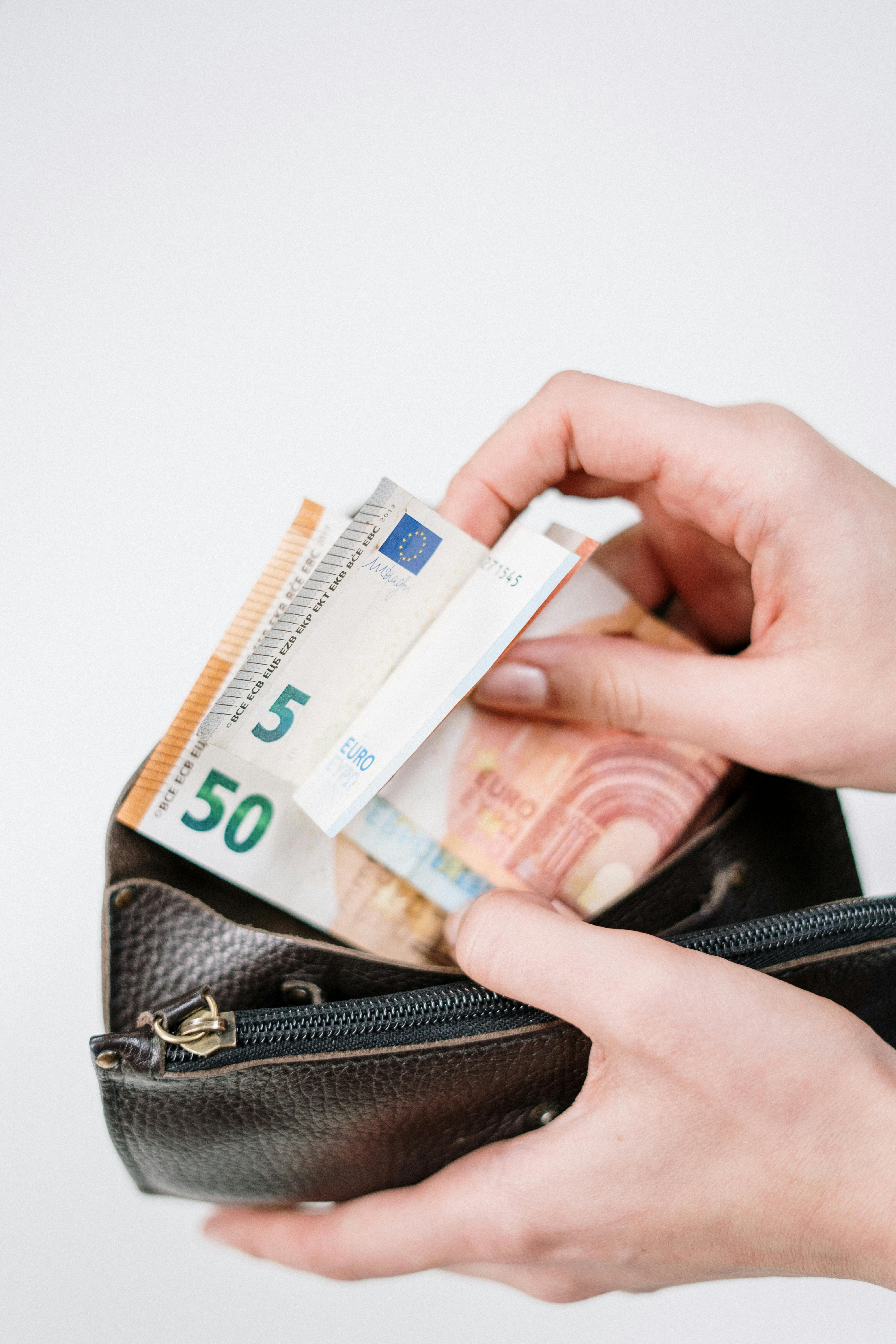
The digital euro, it says, will function “just like cash, but ready for the digital age”.
“It would be a universally accepted digital means of payment that consumers could use free of charge in shops, online or from person to person. It would give people the option to pay digitally, while still using a public means of payment,” it says.
It also says the digital euro will be available both online and offline, but does not specify how that would function in practice.
One potentially key element of the digital euro, as promised by the European Central Bank, is the privacy it claims it will offer in comparison to conventional existing digital payment methods.
The European Central Bank says the infrastructure surrounding the digital euro, which it calls the “Eurosystem”, will not “identify people based on their payments”, and that “moreover, personal transaction details from offline digital euro payments would be known only to the payer and the payee”.
As such, it adds, “the digital euro would be safe and, as a public good, guarantee access for all consumers, no matter where they live or their level of digital or financial skills”.
Regarding how people would be able to use the digital euro, the European Central Bank says people will be required to set up a “digital euro wallet” through either their bank, a post office, or another payment service provider.
Once a person’s digital wallet has been set up, they will be able to deposit money into it through either a linked bank account or by cash, and then make digital euro payments either via a mobile phone or a smart card, among other potential options.
“The digital euro would offer both online and offline functionalities, meaning you could use it even when you have poor or no network reception. Moreover, personal transaction details of offline digital euro payments would be known only to the payer and the payee, providing a cash-like level of privacy,” it says.
The European Central Bank also sought to reassure the public that the digital euro is neither a new currency, nor a replacement for the existing cash euro.
“Just as banknotes and coins are not alternative currencies, but rather different forms of the same currency, the digital euro would just be another way to pay in euro,” it said.
It also says that the digital euro will “complement cash, not replace it”.
“The digital euro would exist alongside cash in response to people’s growing preference to pay digitally in a fast and secure way. Cash would continue to be legal tender, and it would remain in coexistence with the digital euro and any private electronic means of payment already in use,” it says.




Click here to change your cookie preferences