
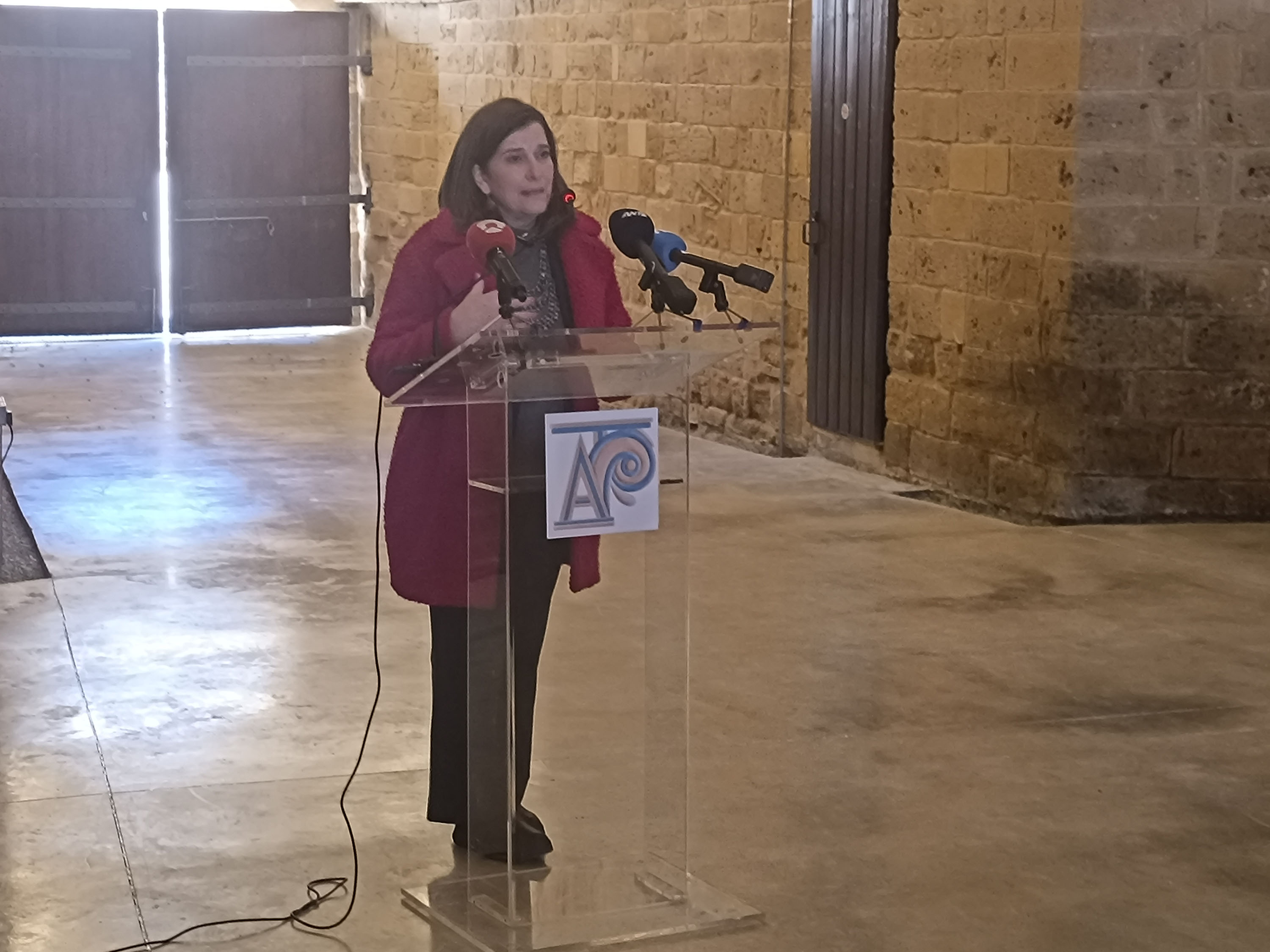
Famagusta gate in Nicosia will be brought back into active use during the EU council presidency, Deputy Culture Minister Vasiliki Kassianidou said on Friday.
Speaking at the inauguration of the historic monument’s renovation, Kassianidou said the gate would be utilised in a range of ways during the presidency, as Cyprus prepares to host thousands of visitors and officials.
She stressed that the promotion of Nicosia’s cultural heritage is a strategic priority at a time when the capital will be at the centre of European attention.
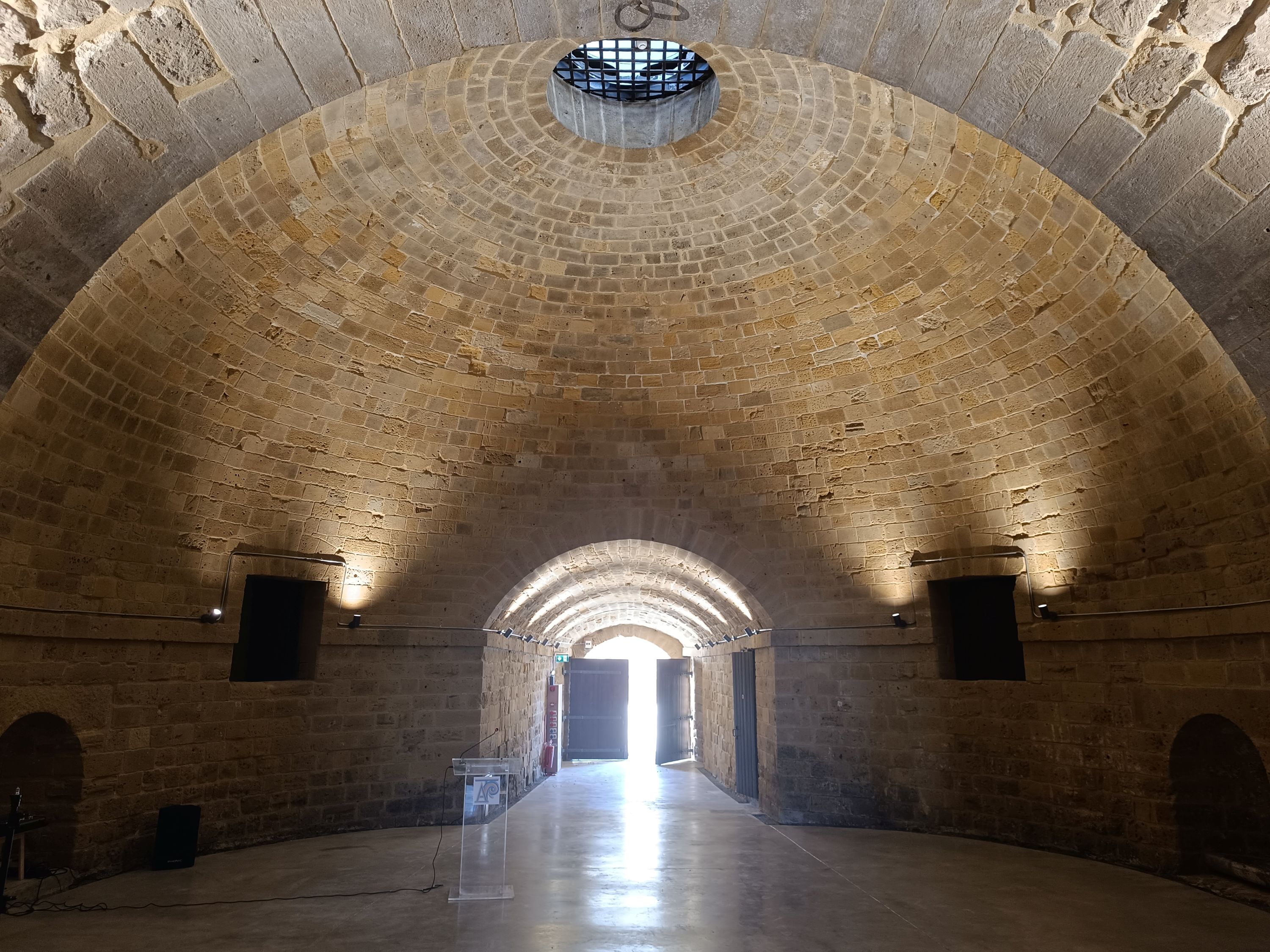
The deputy minister referred to the history of the Famagusta gate, and the recent restoration works carried out by the antiquities department, recalling that its operation as a cultural centre was halted in 2018 after severe flooding caused by torrential rain.
She said the maintenance and restoration project has a total cost of nearly €1 million.
Describing the gate as an integral element of Nicosia’s historical and urban character, Kassianidou said the works were designed to reconnect the monument with the city’s contemporary cultural and social life, restoring its role as a vibrant public space in the historic centre.
Referring to Nicosia’s recent distinction as the best European capital of culture in an international ranking, the deputy minister said the recognition reflects the sustained efforts of those working with vision and consistency for the city’s cultural development.
She assured that the deputy ministry will continue to support initiatives that protect and promote the capital’s diverse heritage.
Antiquities department director, Georgeos Georgiou, outlined the restoration process, which began in February 2019.
He said the project had two main objectives: the conservation of the stone and wooden elements of the monument, completed in 2023 after a one-year interruption, and the upgrading of infrastructure including lighting, sound systems, air conditioning and visitor facilities, parts of which have already been delivered.
Georgiou said the conservation works also yielded archaeological insights, enhancing understanding of the monument’s construction and its integration with the medieval urban fabric of Nicosia.


Click here to change your cookie preferences