
By Antonio Tajani, Italian Minister of Foreign Affairs
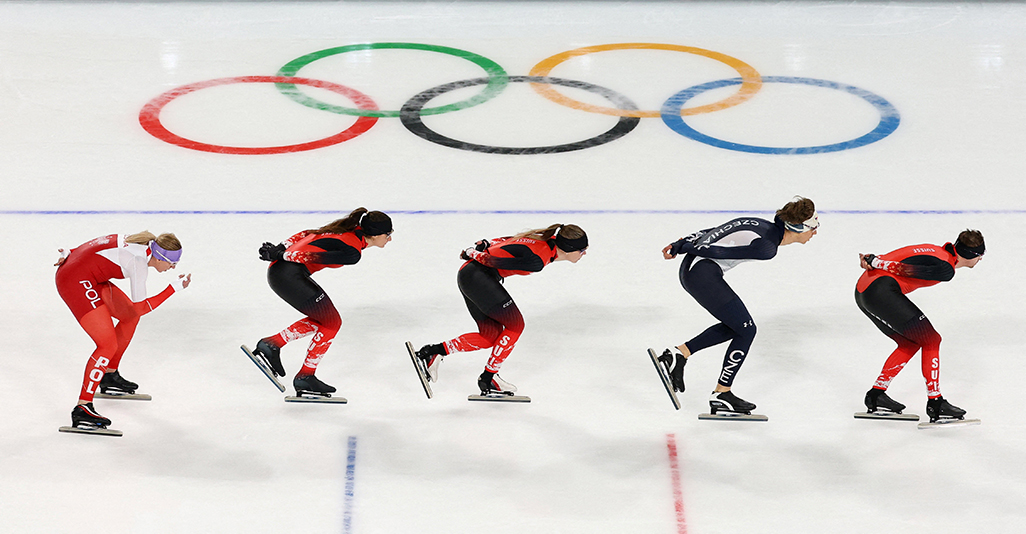
The Milano-Cortina 2026 Winter Olympics officially begin today. This global event will bring 3,500 athletes from over 90 countries to Italy, competing in 304 events, with an estimated worldwide audience of three billion people. Tonight’s opening ceremony in Italy will also host 50 heads of state and government from around the world.
It is clear that Milano-Cortina 2026 will not be just about sports: it will primarily be about development, innovation, and a vision for the future. With an estimated economic impact of 5.3 billion euros, the Games will leave behind infrastructure and territorial growth. But once again, they will serve as a powerful tool of soft power, strengthening Italy’s international standing in the long term.
For the first time in history, the Games will be ‘distributed’: two iconic cities, Milan and Cortina, and an entire system of territories – Lombardy, Veneto, and Trentino-Alto Adige – united by a sustainable and inclusive vision. This is the first “political” signal.
The Winter Games will have effects beyond the sports dimension, impacting infrastructure, territorial development, production chains, and the international positioning of our country.
The organisational system of the Games involves approximately 18,000 volunteers and a dedicated diplomatic Task Force, including young officials, institutions and local communities. This commitment confirms Italy’s ability to successfully host global events, as demonstrated by the recent Jubilee.
At the Ministry of Foreign Affairs, we have supported the arrival of the Games with an integrated strategy, initiated two years ago with the ‘Office for Sports Diplomacy’ and developed through an international roadshow in Europe, North America, and Asia, engaging athletes, media, and businesses.
The goal has been twofold: to highlight the territories and communities involved and to strengthen Italy’s image as an innovative, sustainable, and welcoming country. The Games have been at the forefront of numerous initiatives, at Expo Osaka 2025, in Business Forums abroad, and on Italian Sports Day around the world.
For this reason, Italy has chosen to invest decisively in sports diplomacy, making it a structural component of its international action.
But the Olympic Games represent values such as fair and peaceful competition among young people from all over the world. They have always been universal symbols of peace, respect, and inclusion. In a global context marked by conflicts, sport remains a credible space for dialogue. The Olympics were born for peace.
Italy has advocated for this, facilitating the adoption of the UN Resolution on the Olympic Truce, supported by the Holy Father and the President of the Republic: a concrete appeal for sport to silence the weapons.
Over 233,000 people have been killed in armed violence in the past year alone, causing more than 123 million displaced persons. Italy continues to play a leading role in diplomatic and humanitarian efforts, working for peace in Ukraine and Gaza, while not forgetting the less visible conflicts, such as in Sudan, where millions of people have been forced to flee. Through humanitarian initiatives such as Food for Gaza and Italy for Sudan, our country is on the frontlines of protecting civilian populations, especially children, who are among the most affected by the consequences of war.
This is why Milano-Cortina 2026 represents a unique opportunity to reaffirm who we are and what we believe in. We want to speak to the world through these Games about Italy as a builder of peace, growth, and international cooperation. Our ‘Games of Peace’ will be a commitment that we all share.




Click here to change your cookie preferences