
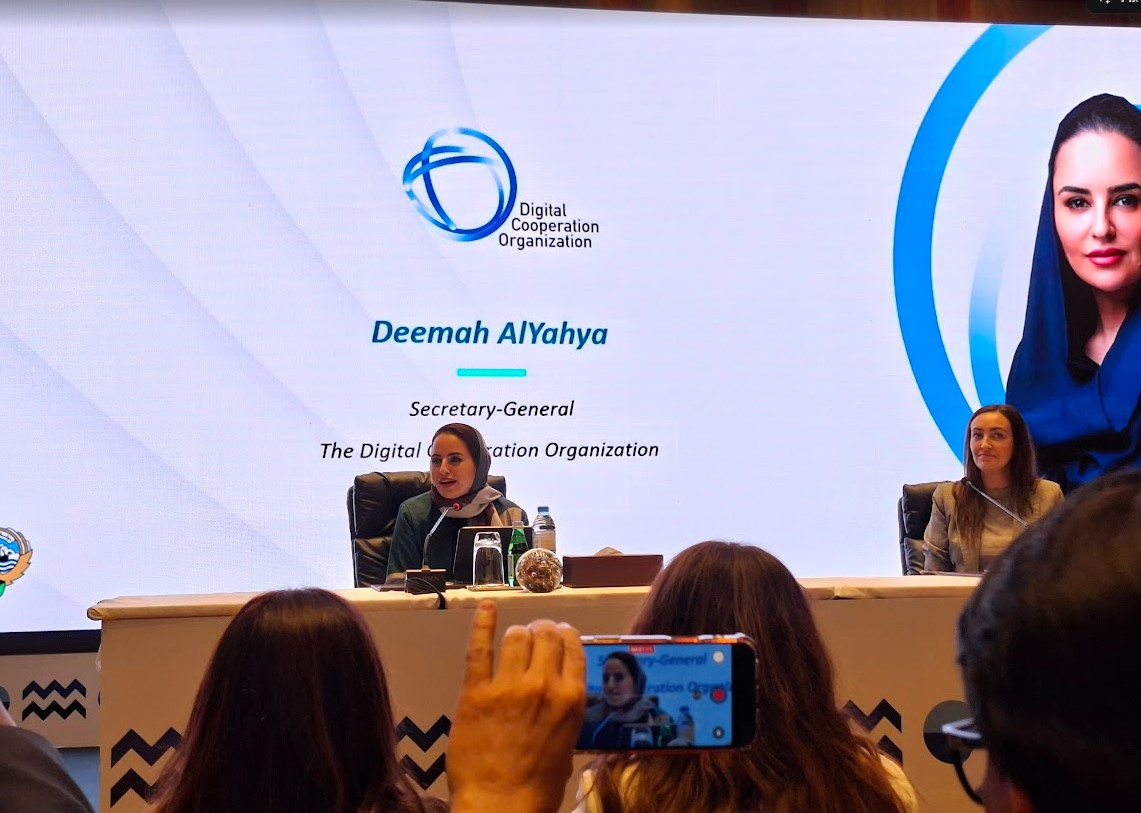
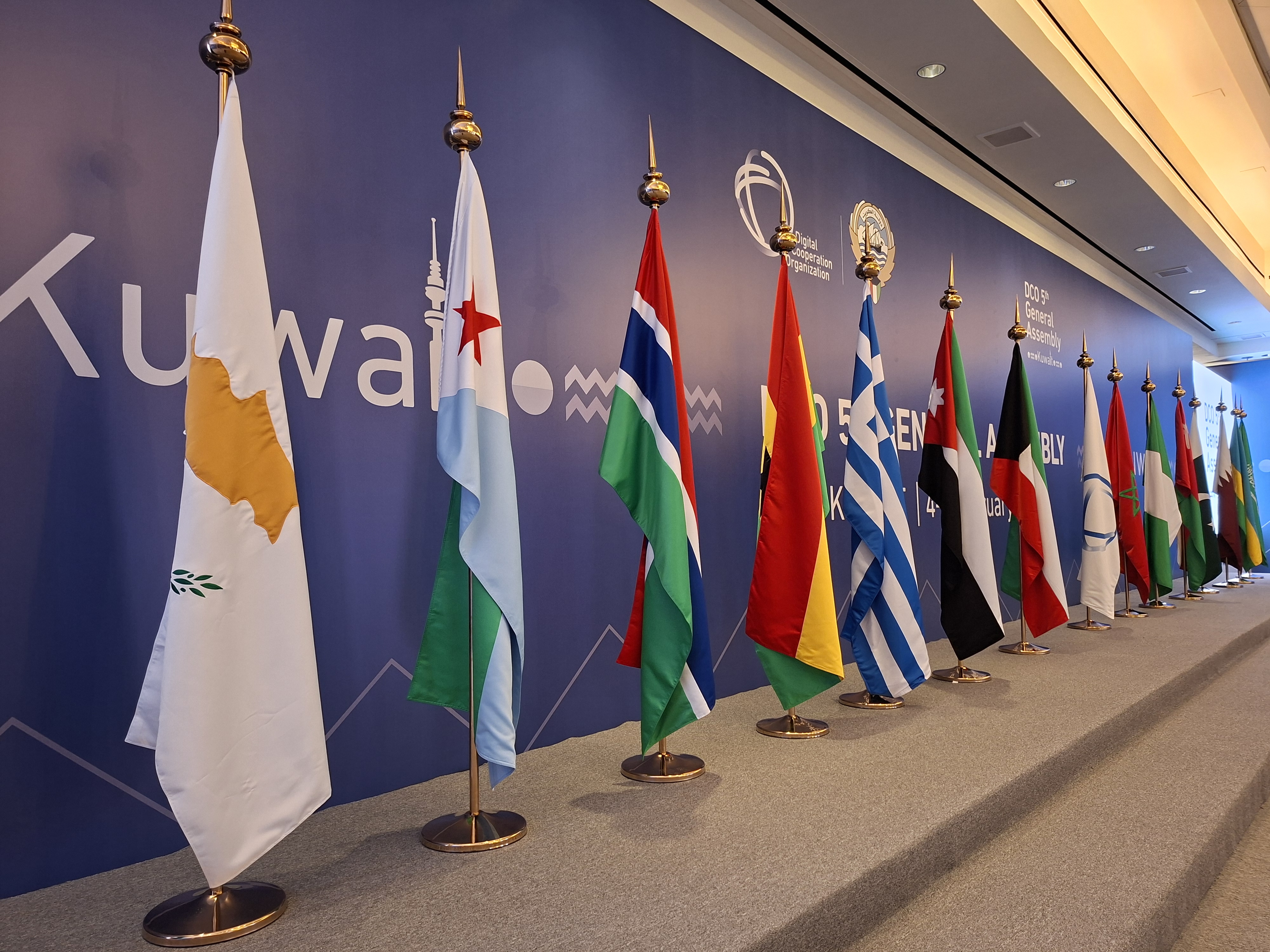
The Digital Cooperation Organisation concluded its fifth General Assembly in Kuwait this week, with member states adopting the Kuwait Declaration on Responsible AI for Global Digital Prosperity and agreeing on a series of actions aimed at advancing inclusive and trusted digital transformation.
The General Assembly, convened on February 4–5, 2026 under the Presidency of the State of Kuwait, brought together ministers, representatives of DCO member states, observers, partners and guest countries to review progress under the organisation’s four-year agenda for 2025–2028.
Discussions focused on translating shared ambitions on artificial intelligence into coordinated delivery, while assessing progress on multilateral initiatives spanning digital policy, investment and governance.
Member states adopted the Kuwait Declaration, reaffirming a collective commitment to inclusive, resilient and sustainable digital transformation in an era increasingly shaped by AI.
The declaration recognises AI’s potential to enhance productivity, competitiveness and public service delivery, while stressing the need for ethical governance frameworks to address risks linked to inequality, bias, privacy and security.
It also reaffirms the DCO’s mission of enabling digital prosperity for all under its current four-year agenda.
As part of the assembly, member states endorsed key policy and delivery frameworks intended to accelerate trusted digital growth, including the Model Digital Economy Agreement and tools designed to enable trusted cross-border data flows.
Progress was reviewed across flagship initiatives covering digital economy measurement, data sovereignty, startup regulation, digital government solutions, investment facilitation, ethical AI, AI readiness, women-led micro, small and medium-sized enterprises, digital skills, online safety and e-waste cooperation.
What is more, member states underscored the importance of measurable outcomes and scalable impact across these initiatives.
During the General Assembly, it was announced that the Kingdom of Saudi Arabia will assume the Presidency of the DCO Council in 2027, alongside the formation of an Executive Committee chaired by Saudi Arabia and comprising Ghana, Rwanda, Djibouti, Pakistan, Kuwait and Morocco.
In addition, member states also agreed to continue developing the Digital Economy Navigator as a comprehensive economic intelligence platform to support policy reform, investment prioritisation and cross-border cooperation.
Coordinated action was endorsed to strengthen trusted digital foundations, including progress on online content integrity and the launch of the DCO campaign for combating online misinformation.
Support for startups, investment and AI readiness will be advanced through the STRIDE ecosystem, the Digital FDI initiative, AI readiness and ethical governance tools, and the WE-Elevate initiative.
Commitments were reaffirmed on skills development, online safety and sustainability, including the next phase of the Skills Universe Initiative, renewed efforts to protect children and youth online, enhanced e-waste management cooperation and stronger global outreach with multilateral partners, including across the United Nations system.
The General Assembly confirmed the handover of the DCO Council Presidency from the State of Kuwait to Pakistan for 2026 and announced that the next DCO General Assembly will take place in Pakistan in 2027.
“Under Kuwait’s Presidency, digital cooperation moved decisively from dialogue to delivery,” said Omar Saud Al-Omar, adding that “we advanced responsible AI governance, strengthened institutional trust, and enabled tangible digital growth that is already delivering measurable results across our member states.”
“From Kuwait, DCO member states made a defining choice about the future of our digital world,” said Deemah AlYahya, noting that “we chose cooperation over fragmentation, responsibility over hesitation, and trust over fear.”
She added that “by initiating negotiations toward an AI Treaty, advancing trusted digital trade through the Model Digital Economy Agreement, and standing together against online misinformation, we are proving that innovation must be governed with legitimacy and purpose.”
“Pakistan is honored to assume the Presidency of the DCO Council at a pivotal moment for the global digital economy,” said Shaza Fatima Khawaja.
She further stated that “we look forward to working closely with member states to advance responsible AI, strengthen cross-border digital cooperation, and ensure that digital transformation delivers tangible benefits to everyone.”
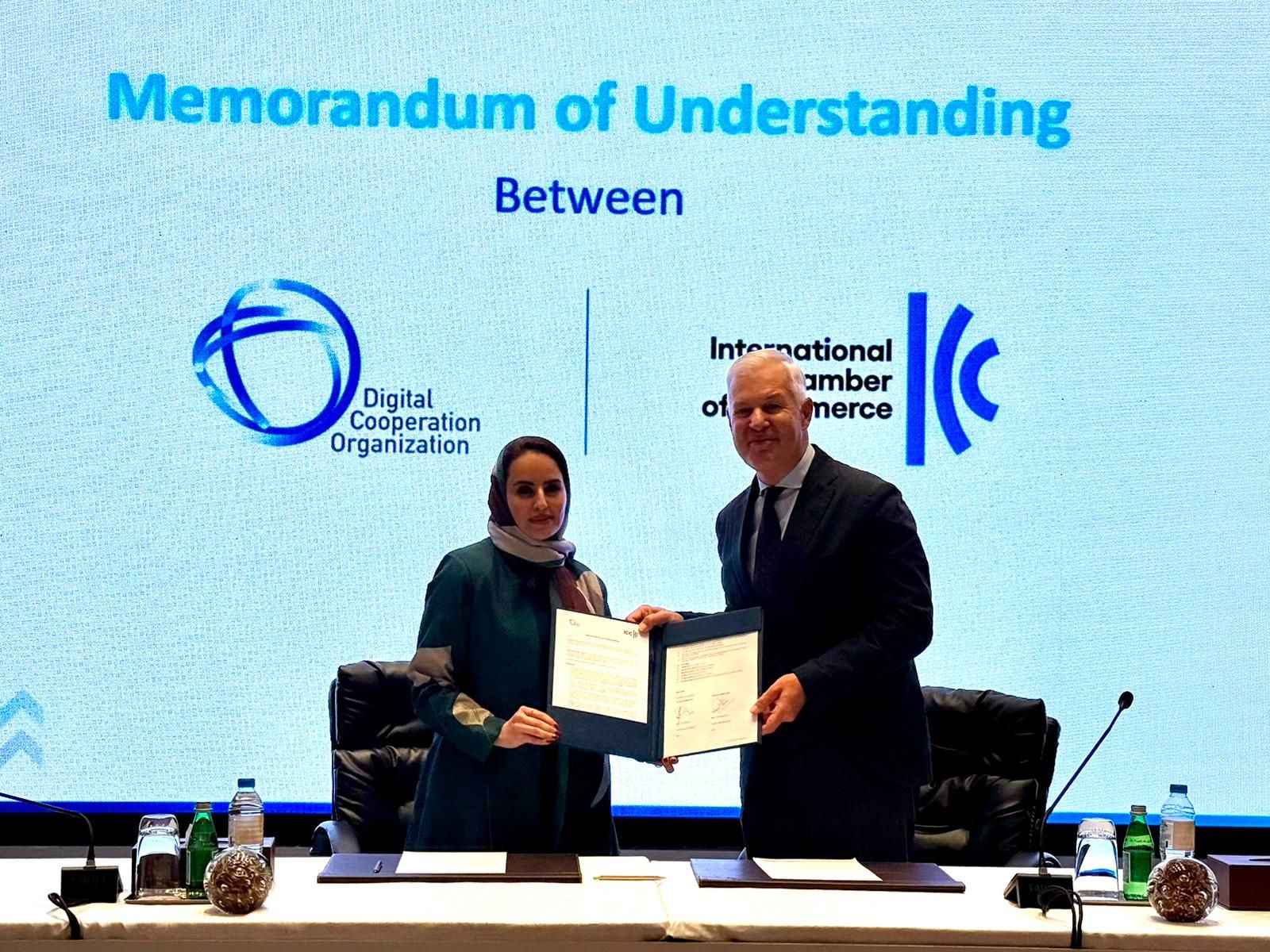
On the sidelines of the General Assembly, the organisation signed memoranda of understanding with the International Chamber of Commerce, Edraak of the Queen Rania Foundation and TikTok, as well as a letter of engagement with Arab News.
The International Digital Cooperation Forum, held alongside the assembly, convened policymakers, business leaders and experts through dedicated sessions focused on artificial intelligence and emerging technologies shaping the global digital economy.
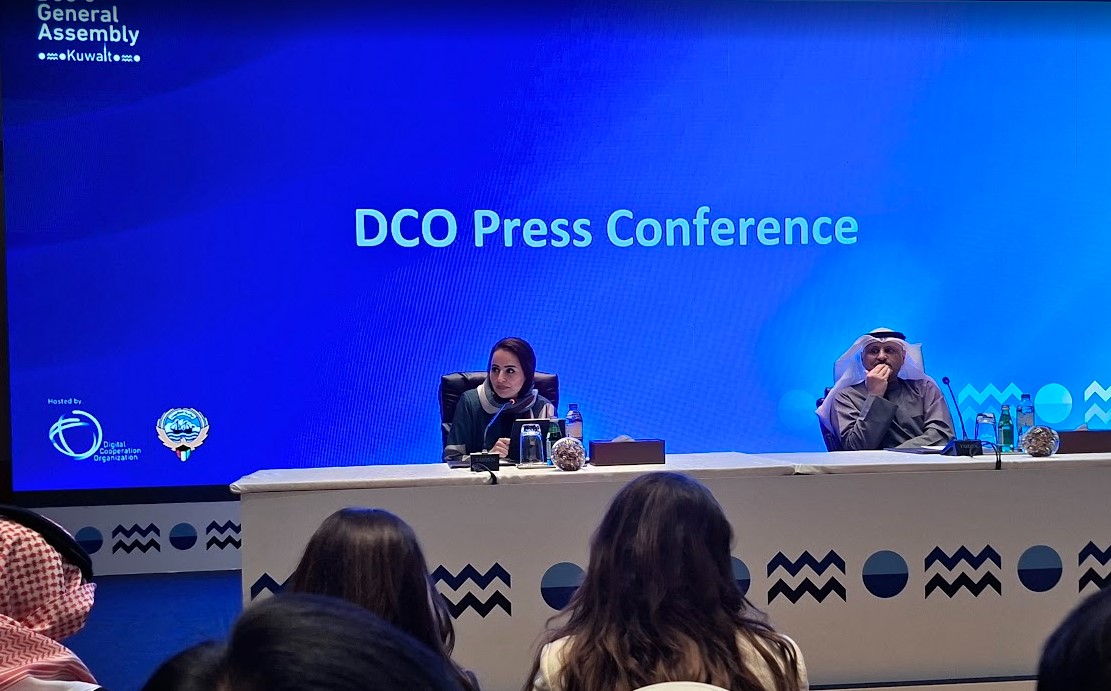
During an IDCF press conference, AlYahya highlighted Cyprus’ growing strategic role within the DCO, following a question from the Cyprus Mail, which was reporting live from Kuwait.
She said the organisation will hold a DCO event in Cyprus in June 2026 in the context of the Cypriot presidency of the European Union, underlining the island’s importance within the organisation’s broader cooperation framework.
“In terms of identifying comparative advantages of each DCO member state, Cyprus has been identified as the business and investment gateway to the EU and Europe in general for Gulf countries and other nations in the region,” she said.
She added that approximately 60–62 startups have already benefited from this positioning through cross-border activity facilitated by DCO initiatives.
Responding to a separate question from the Cyprus Mail on the AI-REAL Toolkit, AlYahya said that while many AI principles already exist globally, governments often struggle to implement them effectively.
She explained that the toolkit is designed to help governments bridge that gap by providing practical and structured support for responsible AI adoption.
According to the DCO, the AI-REAL Toolkit consists of three core components designed to evaluate national AI capabilities, deliver tailored recommendations and offer a step-by-step playbook for AI adoption.
The AI Readiness Assessment evaluates a country’s current AI capabilities to identify strengths and areas for improvement, providing a foundation for a strategic AI adoption plan.
The AI Adoption Recommendations component delivers tailored guidance based on readiness levels, helping governments integrate AI responsibly and sustainably while aligning national initiatives with global best practices.
The AI Playbook offers practical guidance through best practices, case studies and adaptable frameworks to help manage AI adoption efficiently across different maturity levels.
Looking ahead, member states resolved to make 2026 a year of consolidation and acceleration, advancing responsible AI alongside trusted digital foundations, cross-border digital cooperation, inclusive skills development and sustainable digital growth.





Click here to change your cookie preferences