
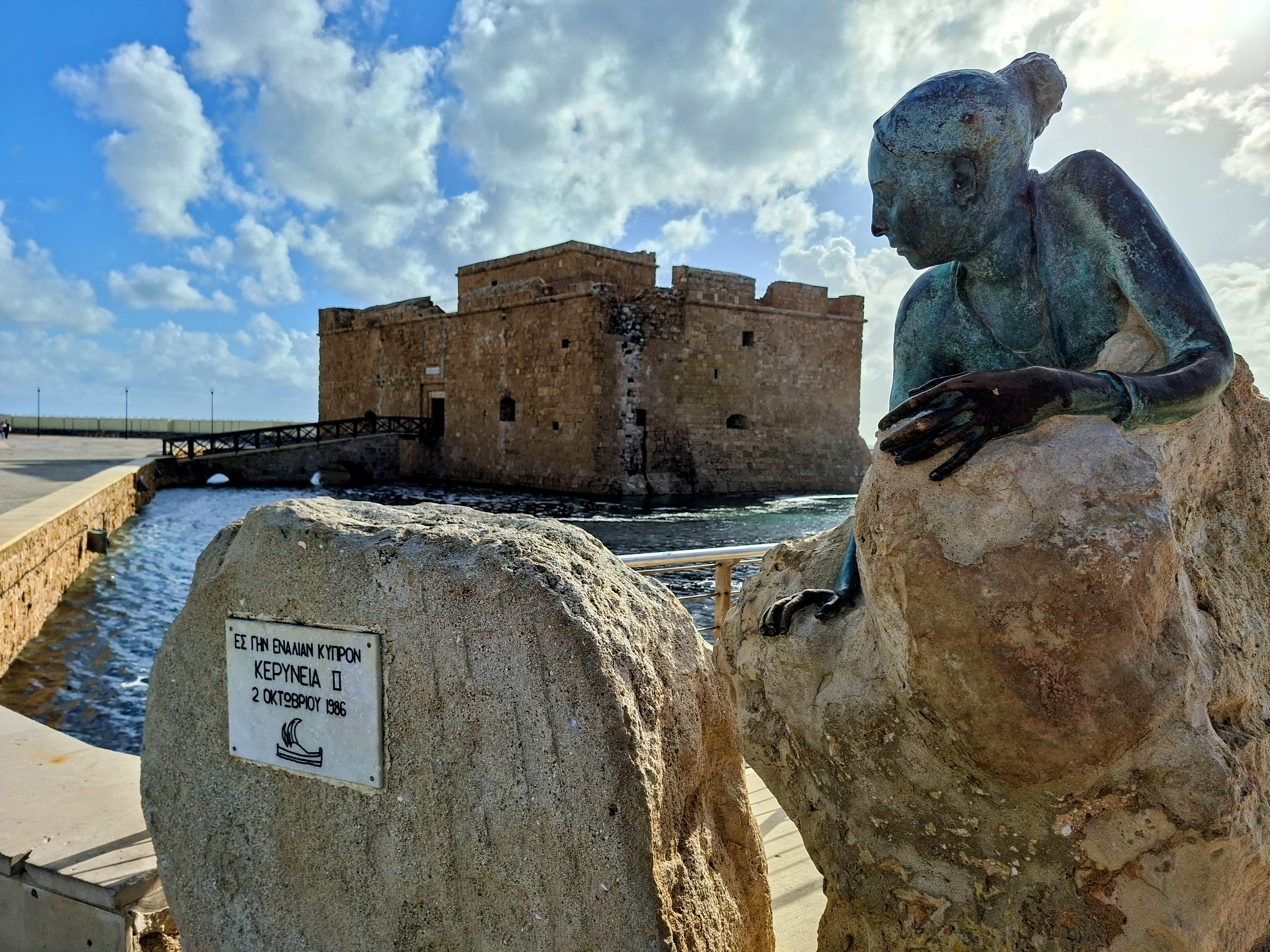
EU tourism hits 3.1 billion overnight stays, with Cyprus tourism revenues climbing to €3.69 billion
EU tourism reached a new record in 2025, with nearly 3.1 billion nights spent in tourist accommodation establishments, while Cyprus recorded robust performance in both overnight stays and revenues.
According to Eurostat, the total number of nights spent across the EU rose by 2.2 per cent compared with 2024, representing an increase of 66.4 million nights.
Nights spent by international guests increased by 3.4 per cent, equivalent to 49.7 million additional nights, while domestic guest nights rose by 1.1 per cent, or 16.7 million more nights year-on-year.
The bulk of overnight stays, amounting to 61.7 per cent of the EU total, were concentrated in four countries, namely Spain with 513.6 million nights, Italy with 476.9 million, France with 471.7 million and Germany with 442.1 million.
At the other end of the scale, Luxembourg recorded 3.6 million nights, Latvia 5.0 million and Estonia 6.7 million, marking the lowest figures within the bloc.
In 2025, tourism nights increased in 24 of the 27 EU member states, underlining the broad-based strength of the sector.
The largest increases were registered in Malta, where nights rose by 10.1 per cent compared with 2024, and Poland with a 7.2 per cent rise.
Declines were recorded in Luxembourg with a 2.4 per cent decrease, Romania with a 1.7 per cent drop and Ireland with a marginal fall of 0.4 per cent.
During the fourth quarter of 2025, tourism nights across the EU increased by 3.0 per cent compared with the same quarter of 2024, with growth recorded in 25 member states.
The highest quarterly increases were observed in Ireland at 12.0 per cent and Malta at 10.9 per cent, while Romania posted a decline of 4.6 per cent and Luxembourg saw a slight decrease of 0.4 per cent.
As Europe saw an all-time high in tourism stays, Cyprus followed suit, putting up impressive numbers month after month during 2025.
Based on monthly data, nights spent in Cyprus stood at 417,530 in December 2024 before easing seasonally to 325,400 in January 2025 and rising to 381,100 in February.
The upward trend accelerated in spring, reaching 661,549 nights in March and 1,279,023 in April.
Naturally, the summer season delivered particularly high volumes, with 1,992,850 nights recorded in May, 2,251,377 in June, 2,627,725 in July and a peak of 2,953,148 in August.
Tourism activity in Cyprus remained elevated in early autumn, with 2,484,732 nights in September and 2,382,970 in October, before moderating to 859,936 in November and 504,843 in December 2025.
The sustained strength in overnight stays was mirrored in Cyprus’ tourism revenues, which climbed to a record €3.69 billion in 2025, according to the Cyprus Statistical Service (Cystat).
This marked a 15.2 per cent annual increase compared with 2024, when revenues stood at €3.2 billion, representing an increase of €486 million year-on-year.
December also recorded solid growth, with tourism receipts rising to €96.7 million, up 11.3 per cent from €86.9 million in December 2024.
However, average expenditure per tourist in December 2025 fell to €616.29 from €653.27 a year earlier, representing a decrease of 5.7 per cent on a per capita basis.
In terms of daily spending by key markets, Israeli tourists were the largest source market in December, accounting for 19.1 per cent of total arrivals and spending an average of €145.03 per day.
British visitors ranked second with a 19 per cent share of arrivals and average daily spending of €65.39.
Tourists from Poland, the third largest market with an 11.3 per cent share, recorded average daily expenditure of €85.69.
The combined data from Eurostat and Cystat underline the resilience of the post-pandemic recovery in tourism, with Cyprus benefiting from the broader expansion in international and domestic travel across the European Union.
However, despite the strong performance recorded in 2025, the ongoing conflict in the Middle East involving Iran could weigh on Cyprus’ tourism sector if instability persists, although bookings remain stable for now and there are no signs of cancellations or panic among travellers.
Industry representatives and economists agree that while hotels continue to operate normally and authorities stress that the republic is not a target, prolonged uncertainty and international media coverage of incidents near British bases could dampen sentiment among tourists and investors.
With tourism accounting for around 14 per cent of gross domestic product after a record year of more than 4.5 million arrivals and €3.69 billion in revenues, analysts caution that it is still too early to determine the full economic impact, particularly as any swift de-escalation could allow demand to rebound quickly.




Click here to change your cookie preferences