
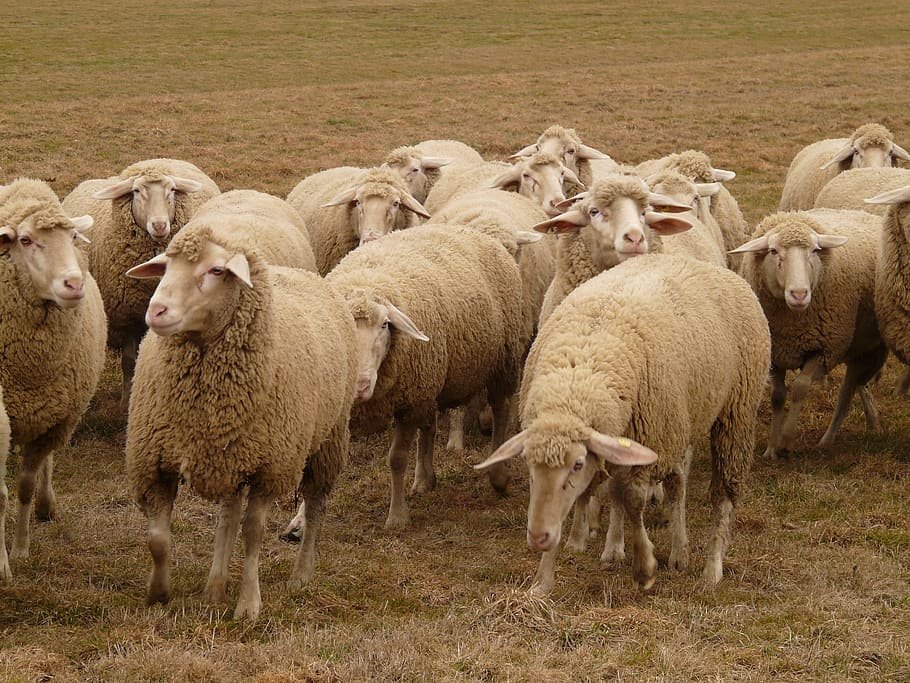
Decisions on livestock farming must be guided by a clear strategic plan to save the primary sector, president of the Larnaca district self-government organisation (EOA) said on Friday.
Angelos Hadjicharalambous told CNA that the sector was in a “tragic” state due to the spread of foot-and-mouth disease and warned that authorities must act quickly to prevent further damage.
He said efforts should focus on containing the disease without automatically slaughtering entire herds where cases are detected.
Instead, only animals confirmed positive for the virus through laboratory tests should be culled.
Hadjicharalambous added that staff and equipment from the Larnaca regional veterinary office were available to assist the state and the agriculture ministry in efforts to stop the spread of the disease.
“We stand by the livestock farmers every day,” he said, adding that many were desperate as they believed there was no clear plan on how to handle the crisis.
“What needs to be done is to take final decisions based on a specific strategic plan so we can save the primary sector, which is important and must be protected,” he said.
Hadjicharalambous warned that the situation could worsen if infections continued to appear in livestock units across Cyprus.
He said the government should take immediate measures to protect the sector and support farmers trying to safeguard their livelihoods.
He also referred to a newly confirmed case at a livestock unit in Dromolaxia, on the outskirts of the 10-kilometre contamination zone, saying it had increased concern among farmers.
“This worsens the situation and creates additional panic among livestock farmers,” he said.
Hadjicharalambous said Larnaca EOA representatives would attend a meeting of the House agriculture committee on March 10 where the issue of foot-and-mouth disease will be discussed.
He welcomed Thursday’s cabinet decision to grant advance payments of up to €50,000 per livestock unit, depending on the number of animals, to cover income losses.
However, he said farmers should be compensated immediately so they can replace animals and maintain production.
“Livestock farmers should be compensated straight away so they can restock their units and ensure the continuity of the sector,” he said.

Click here to change your cookie preferences