
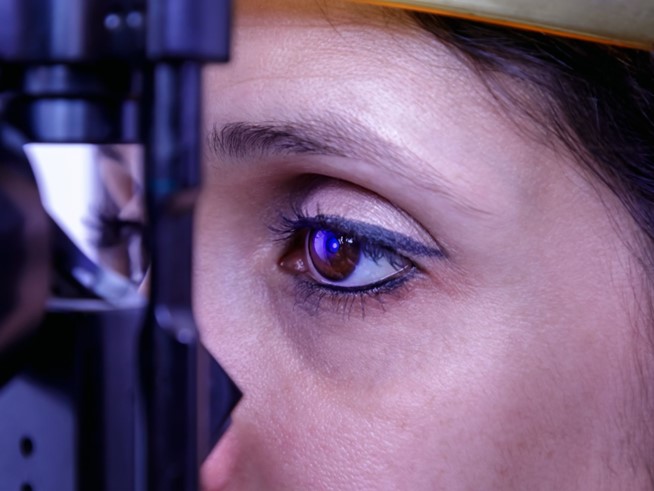
For years, elective medical treatment was often seen as something people arranged close to home. Today, that is changing. Across Europe, patients are becoming more willing to compare options beyond their own country, especially for procedures that involve specialist expertise, new technology and long term quality-of-life benefits.
Vision correction is one of the clearest examples. For people who are tired of relying on glasses or contact lenses, eye laser treatment and lens-based procedures can feel life changing. But because these treatments are elective rather than urgent, patients often take longer to research them. They compare not just price, but also the type of procedure offered, the experience of the surgeon, the quality of aftercare and the overall reputation of the clinic.
Why innovation in laser eye treatment matters
Laser eye treatment has advanced far beyond the early public perception of it as a simple corrective procedure. Today, innovation can be seen in several parts of the patient journey. Screening has become more precise, diagnostics are more detailed, and treatment planning is better tailored to the individual. Clinics increasingly rely on highly accurate measurements of the cornea and the broader condition of the eye before recommending any procedure.
That is important because good outcomes often begin well before the treatment itself. A modern clinic does not only focus on performing the procedure. It focuses on identifying the right candidate, setting realistic expectations, and choosing the method that best matches the patient’s eyes and lifestyle. This approach reduces risk, improves confidence, and creates a more professional standard of care.
Across Europe, the direction is clear. Patients expect more than speed or convenience. They expect expertise, advanced technology, and guidance that feels personal rather than generic.
Looking beyond cost alone
Price still matters, of course. But for something as sensitive as vision correction, it is rarely the only factor. Patients want to know whether a clinic offers multiple treatment options rather than pushing one solution for everyone. They want to know what kind of screening is done before the procedure, how recovery is monitored and whether the medical team has experience with different types of eyes and prescriptions.
In that sense, the growth of cross-border research reflects a broader shift in healthcare behaviour. Patients are no longer passive. They read, compare, ask questions and increasingly expect transparency. That is especially true in eye care, where the procedure may be quick but the decision behind it can take months.
Why this matters in the Cyprus healthcare discussion
This wider focus on modernisation also connects naturally to the healthcare debate in Cyprus, where questions about access, innovation, and the future of care remain highly relevant, as reflected in this recent Cyprus Mail report on healthcare modernisation.
That local discussion makes the European development around eye care more relevant rather than less. Specialist treatments such as laser vision correction show how modern medicine increasingly depends on detailed diagnostics, tailored treatment planning, and patient-centred communication. These are exactly the qualities that many people now associate with strong, future-ready healthcare systems.
Why Europe has become a wider patient marketplace
Europe’s connected travel network has made that process easier. A patient in Cyprus may already be used to flying for work, family visits or specialist appointments. For British and other foreign residents on the island, the idea of seeking treatment elsewhere in Europe may feel even more natural. The result is a more open marketplace of information, where clinics are judged not only by where they are located, but by the quality of care they can demonstrate.
This trend also fits with broader tourism and health patterns. Cyprus has itself been developing health and wellness tourism as part of its effort to attract visitors year round, showing how closely travel and treatment decisions are now linked in modern Europe.
The role of trust and specialist profiles
Another important factor is trust. Patients are often reassured when they can see exactly who is performing a treatment, what methods are offered and what kind of follow-up is included. That is one reason many people look beyond a simple clinic homepage and spend time reviewing specialist profiles and treatment explanations before making a decision.
For readers exploring how vision correction providers present themselves in other European markets, https://www.laatjeogenlaseren.nl/ offers a Dutch example. The site focuses on eye laser treatment and lens implantation, while also outlining clinic options, procedures and specialist information. It even features Greek ophthalmologist Dr Vassilis Georgopoulos, whose international profile adds to the sense that eye care expertise now moves more freely across European borders.
That kind of detail matters because patients want more than marketing language. They want to feel that a clinic understands the seriousness of the decision, especially when the treatment affects something as essential as sight.
A more informed patient culture
There is also a cultural shift taking place. More people now see health decisions as research projects. They compare reviews, study procedure names, ask about recovery times and look carefully at whether the clinic’s communication feels clear and credible. For elective vision correction, that process can be just as important as the treatment itself.
This does not mean patients should travel abroad casually or without proper medical advice. Suitability, safety, pre-screening and aftercare remain central, and not every case is right for treatment in another country. But the wider point remains: people are no longer assuming that the best option must be the nearest one. Across Europe, patients are becoming more selective, more informed and more internationally minded. In vision correction especially, that means comparing expertise across borders, weighing technology against trust and treating the choice as a serious long-term investment in daily life. For many, the future of healthcare research is no longer local first. It is European by default.
DISCLAIMER – “Views Expressed Disclaimer – The information provided in this content is intended for general informational purposes only and should not be considered financial, investment, legal, tax, or health advice, nor relied upon as a substitute for professional guidance tailored to your personal circumstances. The opinions expressed are solely those of the author and do not necessarily represent the views of any other individual, organization, agency, employer, or company, including NEO CYMED PUBLISHING LIMITED (operating under the name Cyprus-Mail).





Click here to change your cookie preferences