
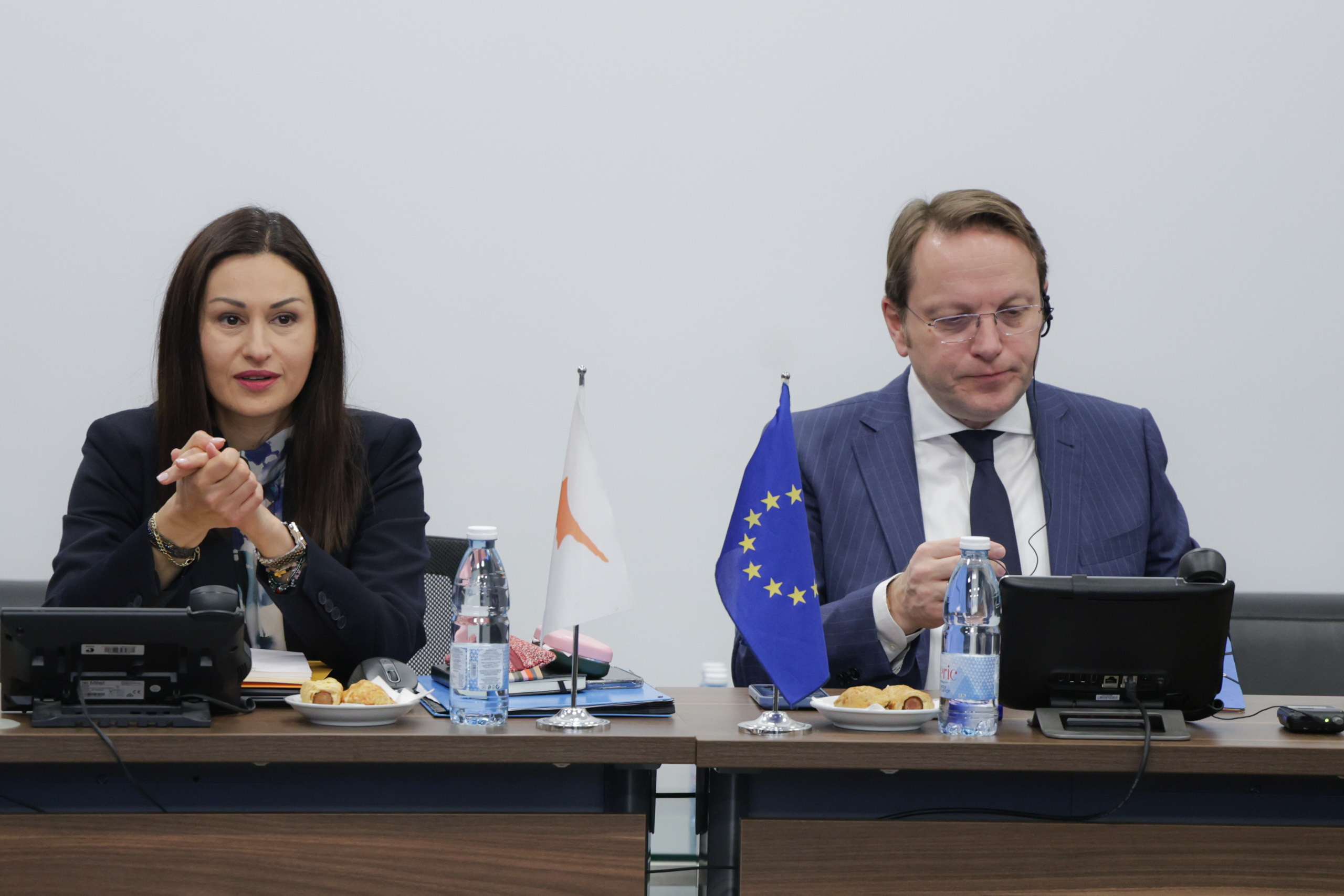
European animal health commissioner, Oliver Varhelyi, told farmers and agricultural organisations on Friday that the European Union regulation on foot-and-mouth disease on mass culling will be implemented without relaxation.
Speaking after a meeting at the Zenon coordination centre in Larnaca, agricultural union president Michalis Lytras said that “the commissioner simply reiterated to us that the regulation that exists for these issues will be implemented without any relaxation.”
The meetings involved Agriculture Minister Maria Panayiotou, the commissioner and representatives of affected livestock units, followed by a broader session with agricultural organisations, producer representatives and officials of state services.
The strict EU rules require that all animals in an infected unit be culled, even if they are asymptomatic, to prevent the rapid spread of the virus.
Veterinary services spokeswoman Sotiria Georgiadou explained previously that “due to the extremely high transmissibility of the virus, European legislation provides for specific measures, which include the mandatory culling of all animals on infected farms, restrictions on movement, and procedures for the burial or cremation of animals.”
She added that strategies employed outside the EU, such as preserving infected animals by vaccination, risk further spread and a 25 to 50 per cent reduction in productivity.
“Animals which do not display symptoms can also transmit the virus, which makes it necessary to kill them in infected units,” she said.
“Once the virus starts circulating, you cannot control it. It is transmitted from animal to animal, and there is a risk of it spreading throughout the island.”
Farmers had protested the culling and hoped for an exemption from EU law, but the government reiterated that halting the process would endanger Cyprus’ access to the European single market and lead to restrictions on goods, people and services.
More than 13,000 animals have been culled since the outbreak began.
Lytras noted that the meetings confirmed the EU’s commitment to enforcement while offering support to farmers.
“The European Union will do whatever it intends to do to help, but the regulation must be applied in full.”
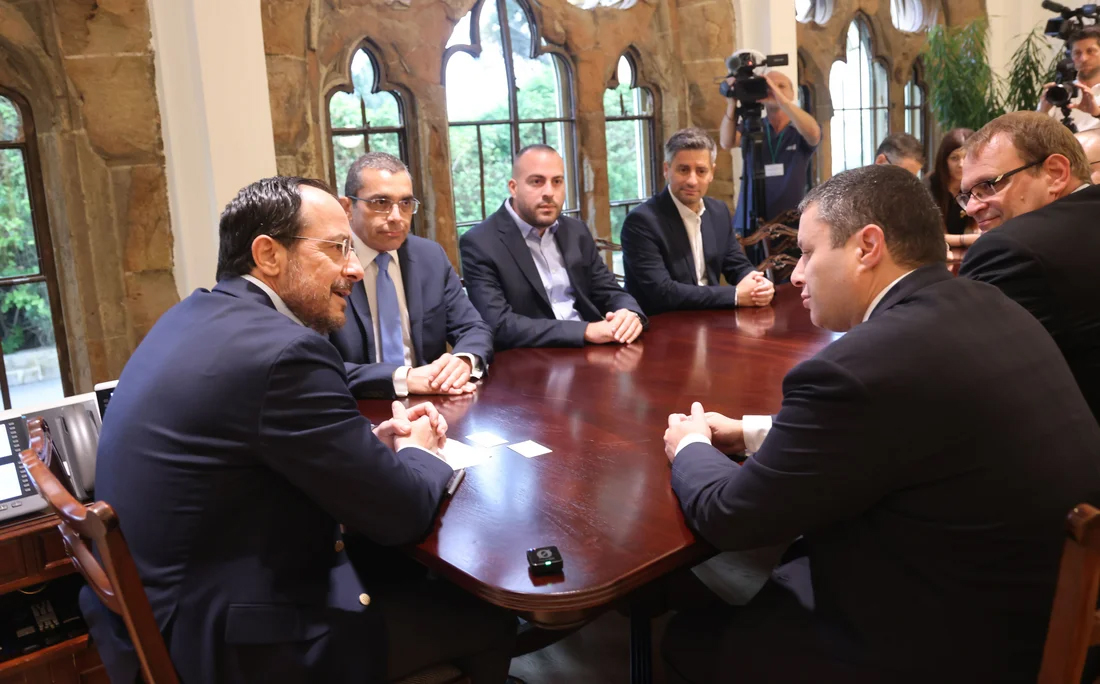
Varhelyi is expected to meet President Nikos Christodoulides at the presidential palace following visits to affected farms and consultations with stakeholders.

Click here to change your cookie preferences