
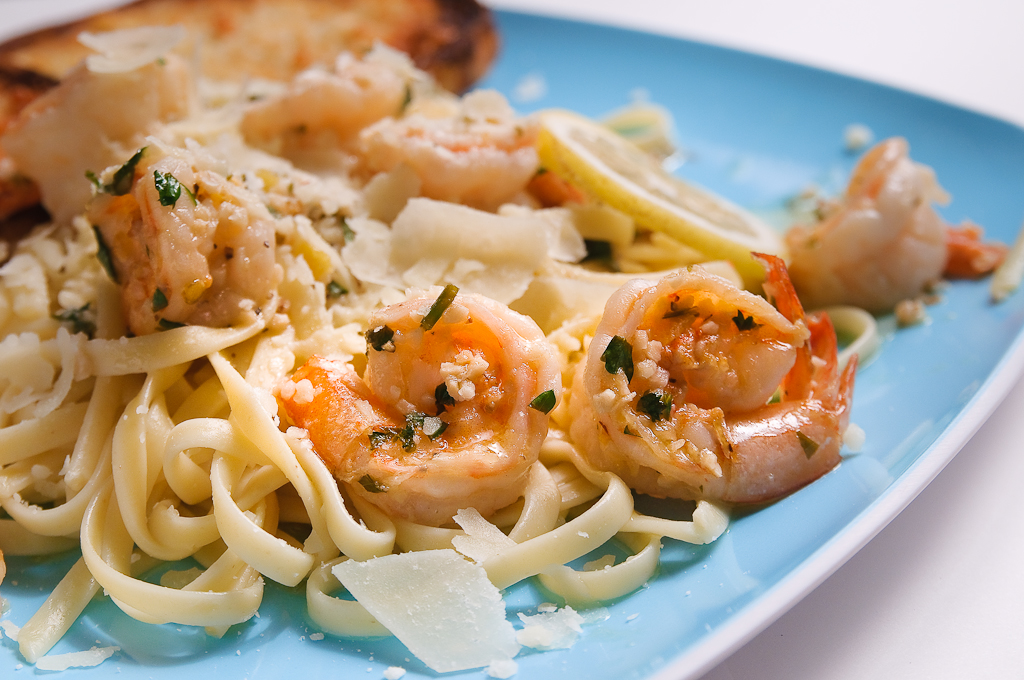
Shrimp scampi is a dish that feels both brisk and reassuring, the sort of meal that can be prepared quickly yet still carries a sense of occasion. Plump prawns are sautéed in butter and olive oil, lifted with garlic, a squeeze of lemon and a splash of white wine.
Parsley is scattered at the end, and the whole is often spooned over pasta or served with bread to catch the sauce. It is simple, direct cooking, built on clarity of flavour rather than complication.
Despite its strong association with Italian-American restaurants, the name itself tells a more layered story. In Italy, scampi refers not to prawns but to small lobster-like crustaceans found in the Mediterranean.
Traditional Italian preparations typically involve grilling or sautéing them with olive oil, garlic and wine. When Italian immigrants settled in the United States, they adapted familiar methods to locally available shellfish.
Large prawns stood in for scampi, and the name travelled with the technique. Over time, shrimp scampi became established as a dish in mid-twentieth-century America.
The appeal lies in balance. The sweetness of the prawns is sharpened by lemon, softened by butter and deepened by garlic. The wine reduces to form a light sauce rather than a heavy coating. Timing matters. The prawns must cook only briefly to remain tender, and the sauce should cling lightly without overwhelming. It is a dish that rewards attention, though not complexity.
Regional variations tend to reflect local habits. In parts of Italy, similar preparations are served without pasta, accompanied instead by bread or simple vegetables. In the United States, the pasta version is dominant, often enriched with extra butter for a more indulgent finish. Some modern interpretations add chilli flakes for heat or tomatoes for colour, though purists prefer restraint.
Shrimp scampi suits warmer months particularly well. Its brightness and lightness make it appropriate for spring and summer, when seafood feels most in season and meals lean towards freshness. Served outdoors with a glass of chilled white wine, it carries an ease that heavier dishes lack.
In Cyprus, where seafood plays a central role in coastal cooking, shrimp scampi feels immediately understandable. Garlic, lemon and olive oil are already familiar companions to fish and shellfish. While the name may signal Italian-American influence, the flavour profile sits comfortably within Mediterranean tastes.
Shrimp scampi’s flavours are clear and confident. Garlic, olive oil, wine and lemon need little embellishment, and when paired with fresh seafood they create something both lively and comforting.





Click here to change your cookie preferences