

Cyprus property sector 'transforming' despite red tape warnings
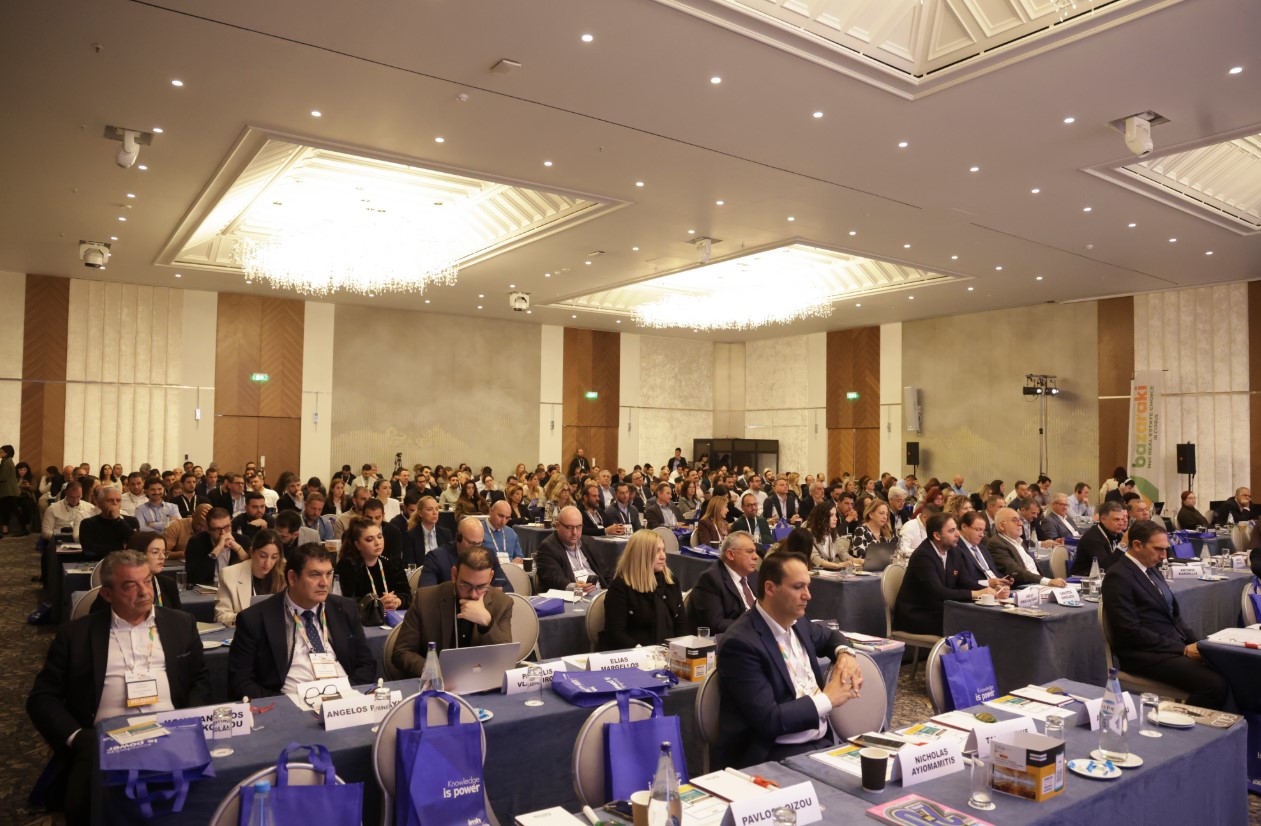
Cyprus’ real estate sector is being reshaped by changing social needs, urban pressures and investor demand, speakers said at the 20th Real Estate, Property Development & Construction Conference & Exhibition.
Another key point conveyed during the conference included a warning that bureaucracy, infrastructure gaps and housing distortions continue to weigh on the market.
Opening the conference, Cyprus Property Developers Association president and Imperio Group president Yiannis Misirlis said the sector can no longer be seen only as a barometer of economic activity, but increasingly as a force shaping the way people live.
“We are currently in a period of transformation,” Misirlis said, adding that the market and construction sector now serve not only as indicators of economic activity, but also as “tools of development, social policy and urban planning.”
He said “Cyprus is changing,” and that the “role of the sector is changing with it.” Developers, he added, are now being asked to “create spaces that combine quality, functionality and social balance,” while meeting the needs of families, workers and future generations.
In that sense, he said, the industry is no longer being called on “simply to design buildings,” but to “create integrated living environments.”
Turning to the broader climate, Misirlis said “periods of geopolitical tension naturally create caution in the markets.”
Even so, he said the Cypriot economy, and particularly the real estate and construction sectors, have repeatedly shown that they can “withstand shocks and adapt to difficult conditions.”
He added that “Cyprus remains a safe European destination” with strong institutions and a reliable business environment, while the real estate development sector continues to rank among the country’s key pillars of economic activity and growth.
Also addressing the conference, IMH chief executive George Michael said the event’s 20th anniversary marked an “important milestone” for a forum that has succeeded in bringing together the sector’s leading figures for “dialogue and exchange.”
He said staging the conference for two decades also “carries responsibility,” especially in shaping an agenda that “reflects market developments and captures the sector’s interest.” He added that IMH would continue to “support and promote land development,” which he described as the “largest sector of the Cypriot economy.”
Meanwhile, Altia head of business development and strategy Dimitris Tsiakkis said Cyprus’ property market is showing strong growth, but still has considerable untapped potential.
In a presentation titled “A thriving market with untapped potential: Cyprus Real Estate’s next chapter”, Tsiakkis described the market as resilient and steadily expanding, adding that it remains “attractive to foreign investors.”
Compared with countries such as Greece, Malta and Spain, “property in Cyprus remains broadly more affordable,” he said.
This is coupled with the country’s stability and improving economic performance, he added, that creates “investment opportunities with lower risk and stronger return prospects.”
At the same time, he pointed to structural weaknesses that continue to hold the market back, including the institutional framework, administrative procedures and bureaucracy, which, he said, have made the “management and ownership of property increasingly demanding.”
He noted that investment in real estate often involves “lengthy procedures,” including the “issuing of permits and title deeds,” which extend project timelines and weigh on investment decisions, particularly in larger developments. He therefore called for “further digitalisation” and a “significant reduction in processing times.”
Tsiakkis also referred to the “balance between protecting tenants and safeguarding landlords,” saying that while “tenant protection is essential,” owners also need “stronger protection against lease-related risks.” Faster and fairer dispute resolution, he said, could “strengthen investor confidence and help contain rents.”
He also emphasised co-ownership, describing it as “common and especially time-consuming,” with some cases taking up to 10 years to resolve and tying up significant value in prime locations.
In addition, he warned that poor maintenance of older buildings and failures in the payment of common expenses “undermine the viability of whole areas” and reduce the marketability of multi-owned properties.
He also argued that “housing construction is not always matched by the infrastructure needed to support new communities,” pointing to a broader need for more coherent urban planning.
Another issue he raised was the growing number of vacant properties, which he described as an “emerging challenge for the sustainability of the market.” Addressing that, he said, could “increase housing supply, ease price pressures and support a healthier market,” with both incentives and disincentives likely to have a role.
In closing, Tsiakkis said that although the market is expanding, Cyprus must “better understand what is driving that growth” and adopt a more holistic approach to the sector’s future, particularly as real estate competes with other asset classes for capital.
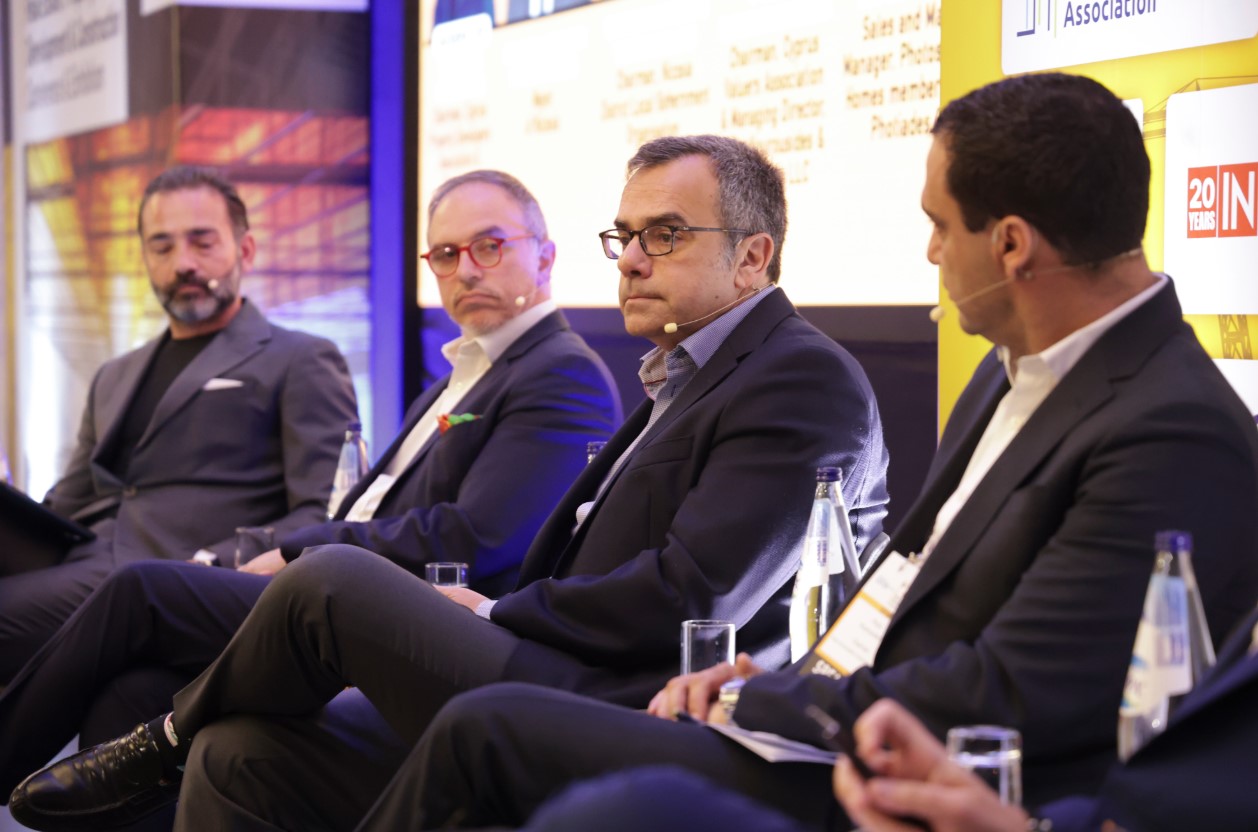
The conference also turned to Nicosia, with a panel examining the capital’s prospects as an emerging destination for property investment, alongside the challenges and opportunities linked to its urban development.
The discussion, moderated by Misirlis, focused on residential and commercial market trends, demand from local and foreign investors, and the conditions needed to make Nicosia “more attractive to international companies.”
It also explored the role of local government in shaping a new urban model, with traffic emerging as a shared concern requiring urgent attention.
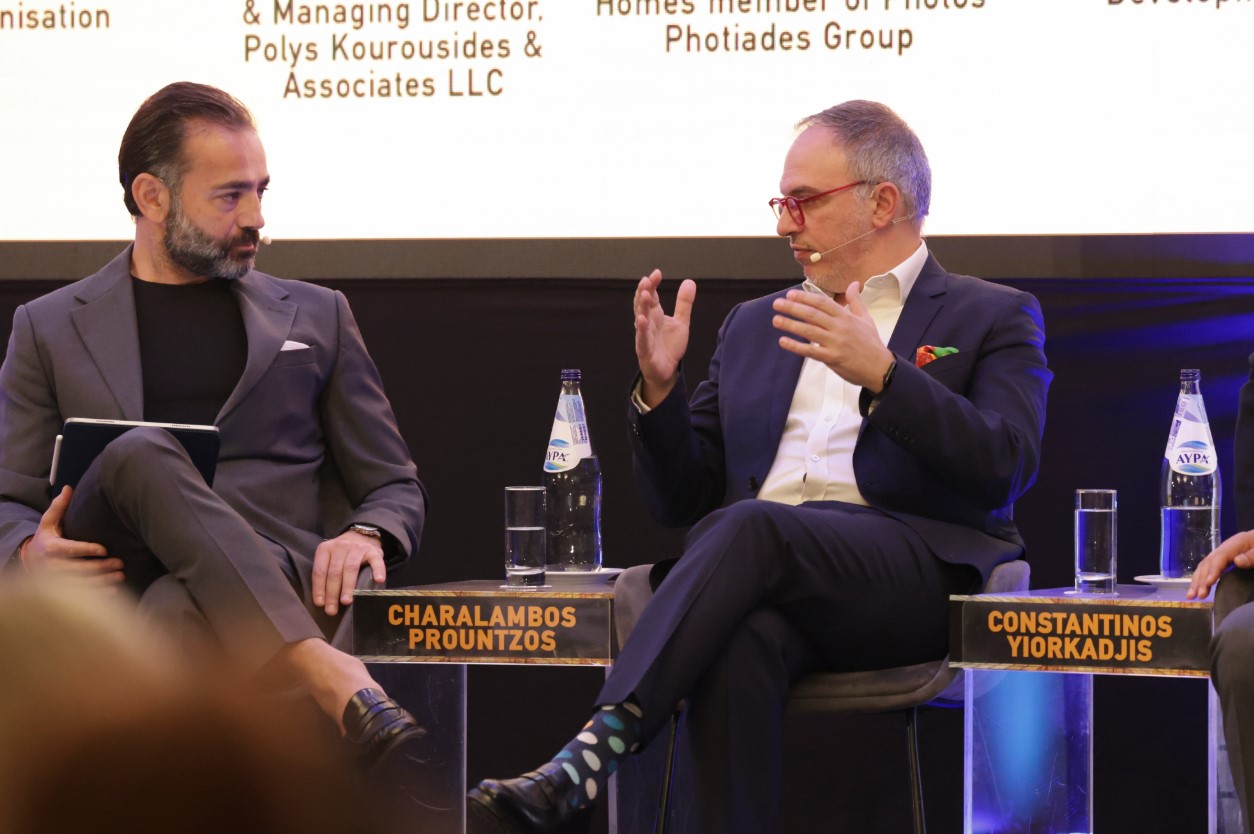
Nicosia mayor Charalambos Prountzos said the city’s development depends on polycentric and targeted urban planning that places emphasis on quality of life and on increasing the population living in the centre.
He said the city’s strategy is centred on “strengthening the urban core” through vertical development and population growth, while also expanding its academic presence, creating new development hubs with modern infrastructure and promoting sustainable, energy-efficient growth in surrounding areas.
He added that major projects, including the transformation of the state fair grounds into a metropolitan park and the development of innovation zones, are expected to “lift property values and improve quality of life,” while also creating “fresh investment opportunities.”
For his part, Nicosia district self-government organisation (EOA) president Constantinos Yiorkadjis said the city’s competitive advantage lies in “developing with rationality, transparency and clear rules.”
He said the existence of “clear planning rules and defined development parameters” creates a “stable and reliable framework for investors,” while also stressing the need to “curb uncontrolled urban sprawl and make better use of the urban core.”
He added that “faster licensing procedures” and “stronger planning mechanisms” are needed to speed up developments and further support investment.
Cyprus association of valuers and property consultants president and Polys Kourousides and Associates managing director Polys Kourousides said the Nicosia market is characterised by stable and sustainable growth, supported by a strong base of Cypriot buyers.
Because “demand remains largely local,” he said, the “market is more resilient.” He added that “attracting more residents to the city centre should be a central goal,” as that would support economic activity more broadly.
At the same time, he said “vertical development,” together with “action on traffic and the provision of incentives,” could contribute decisively to the city’s upgrade.
Photos Photiades Group sales and marketing manager Andreas Mouzourides said the market is adapting to “more informed and more demanding buyers,” while “legislative changes are also needed to improve young people’s access to housing.”
He said recent years have seen a “shift towards smaller and more functional properties,” driven by economic conditions and changes in the legislative framework, and argued that “certain policies should now be reviewed” to support a new generation of buyers.
Finally, Nice Day Developments sales and marketing manager Yiannis Pipis said “cities are engines of the economy” and that “integrated planning is needed” if their full potential is to be realised.
He said Nicosia has “significant advantages,” including “state-owned land and the capacity to accommodate major projects.”
However, he added, “better coordination and stronger links between individual developments” are needed to create a “wider multiplier effect.”
He also said that “tackling urban sprawl, making use of idle properties and promoting sustainable mobility” will be critical to the city’s future development.





Click here to change your cookie preferences