
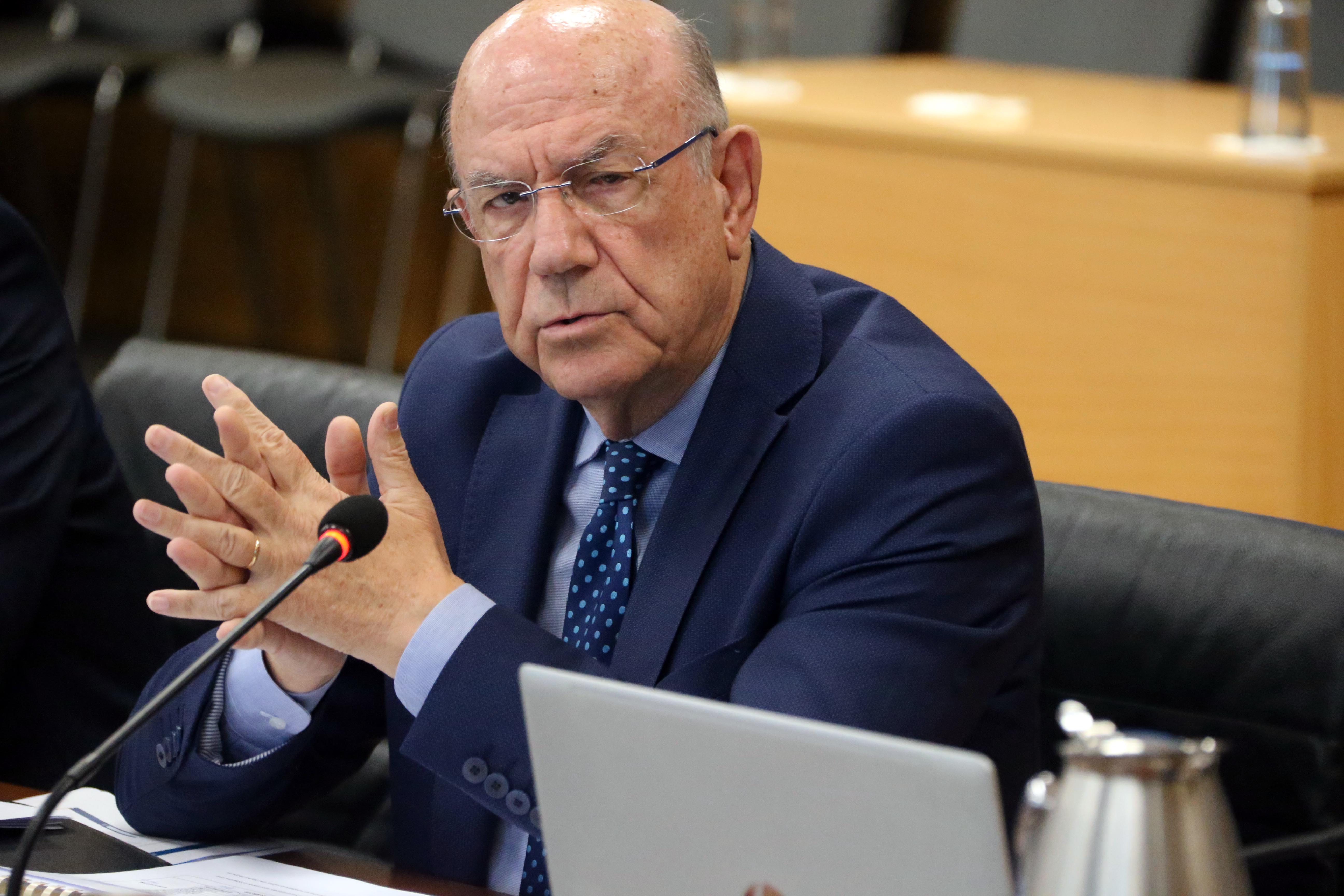
Cyprus’ cabinet approved a proposal on Monday to strengthen the role of the Financial Commissioner and introduce new safeguards for primary residences, with Finance Minister Makis Keravnos saying the measures are aimed at steering more cases towards debt restructuring and away from foreclosure.
The package, which includes two bills due to be sent to the legal service on Tuesday morning for legal drafting, seeks to widen the commissioner’s role in debt disputes and give borrowers earlier access to the process.
Keravnos said the first measure would upgrade the existing debt confirmation mechanism by adding the possibility of debt restructuring.
In practice, this would allow a borrower to go to the financial commissioner earlier in the process, by receiving the standard 1st priority letter mail for general correspondence (Type I) instead of the registered mail to ensure legal service, often as a second notice (Type IA) currently in place.
“This means that more time is created for the debtor to approach the financial ombudsman,” he said, adding that the commissioner would also have more time at his disposal to examine the issue and try to find a settlement.
He added that where the commissioner is asked to confirm the debt, but the two sides fail to agree on an initial restructuring or repayment route, the case could then be referred to an insolvency counsellor to prepare a personal repayment plan.
According to Keravnos, this is meant to address one of the weaknesses of the current system, where even in cases of broad agreement, debtors may be required to repay the amount due almost immediately.
“This is not always possible,” he said, because the debtor may need some time to find the resources to repay, while a binding personal repayment plan would provide a solution to that problem.
At the same time, the second measure introduces binding force for decisions of the financial commissioner in complaints against financial companies involving amounts of up to €20,000.
Keravnos said this threshold was chosen because around 75 per cent of cases where disputes arise and settlements are delayed involve sums between €10,000 and €20,000.
“The possibility is given where there are complaints from debtors that abusive clauses, high interest rates, charges, etc. have been included,” he said, adding that where there is a difference in the amount, the financial commissioner will be able to intervene up to €20,000, with the decision being binding.
According to the minister, this is expected to give an extra push to resolving disputes linked to foreclosures and, in turn, help avoid them.
Keravnos said foreclosures remain a matter of major social concern and one that the government has been watching closely, adding that the finance ministry recognises the wider importance of the issue.
He said the government was therefore proposing targeted additional measures to protect citizens, not through blanket intervention, but by strengthening institutions already in place.
More broadly, he described the proposal as “a last-ditch effort to protect the primary residence”, by halting the foreclosure process and directing cases towards debt restructuring instead.
“That is a very important goal,” he said, because it creates a channel that leads the debtor and the lender to what he described as “the most secure way”, namely debt restructuring.
Keravnos also said the proposal brings to the surface the essence of the issue, which is that it is in the common interest of both the debtor and the lender, including credit-acquiring companies, to move forward together towards a conclusion.
Otherwise, he warned, the matter risks dragging on indefinitely, leaving the debtor under pressure while also preventing the lender from recovering the money, with other routes such as court action, delays or foreclosure then remaining open.





Click here to change your cookie preferences